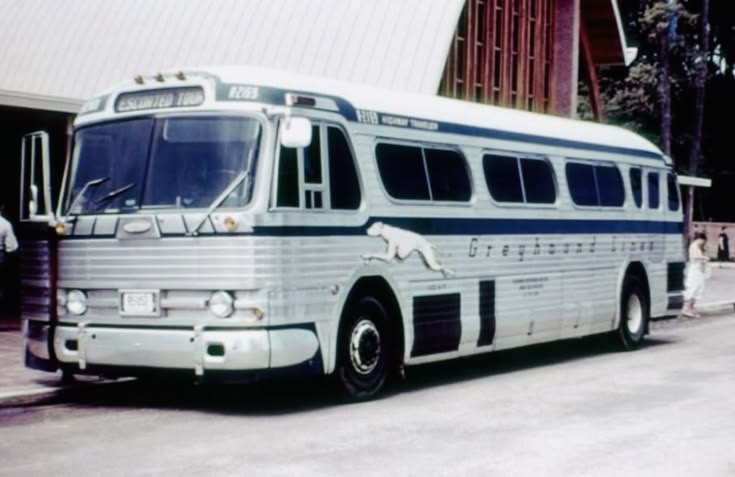
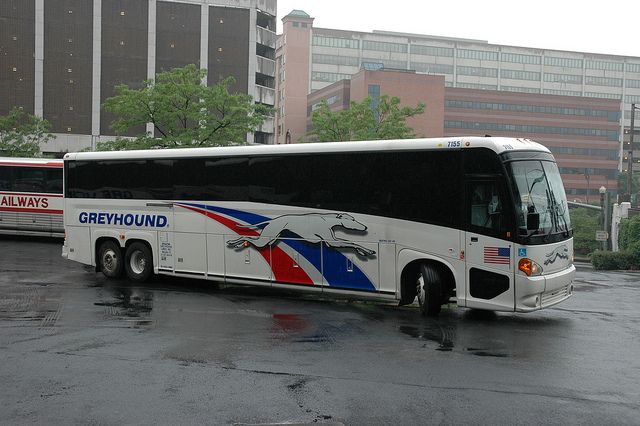
Safety is one of the most important considerations when choosing an intercity bus service. Passengers want to know that their drivers are properly trained, vehicles are regularly maintained and essential safety measures are in place throughout the journey. Greyhound bus safety involves several elements, including professional driver training, vehicle inspections, onboard safety features and procedures designed to protect passengers.
For travelers comparing long-distance transportation options, understanding these measures can help set realistic expectations before booking a trip. Here’s a closer look at Greyhound’s approach to driver preparation, bus maintenance and passenger protection.
Greyhound Driver Training and Professional Standards
A bus driver’s experience and decision-making skills play an important role in road travel safety. Operating a passenger bus requires more than basic driving ability because drivers must manage a large vehicle, changing road conditions, traffic and passenger needs.
Greyhound states that its drivers complete an extensive training program before operating buses with passengers. The company also highlights ongoing training throughout a driver’s career, helping employees maintain their knowledge and adapt to different driving situations.
Driver preparation covers important areas such as:
- Safe driving practices: Understanding defensive driving techniques, maintaining appropriate following distances and responding to traffic conditions.
- Passenger assistance: Learning how to support passengers during boarding, travel and arrival.
- Emergency procedures: Understanding how to respond to unexpected situations and follow appropriate safety protocols.
- Weather and road awareness: Preparing for challenging conditions such as rain, reduced visibility and heavy traffic.
Commercial bus drivers must also meet applicable federal qualification requirements, including holding the appropriate commercial driver’s license and passenger endorsement. Medical qualification and other regulatory requirements are also part of professional passenger transportation.
Greyhound Vehicle Inspections and Maintenance Checks
Driver training is only one part of intercity bus safety. The condition of the vehicle is equally important, which is why inspections and preventive maintenance are essential.
Greyhound says its drivers check buses before each trip. These checks help identify visible issues that could affect safe operation. Drivers and maintenance teams have different responsibilities, from identifying potential defects to arranging repairs and keeping vehicles in suitable operating condition.
Typical bus inspection and maintenance areas include:
- Tires and wheels: Checking for visible damage, wear and other concerns.
- Brakes: Ensuring the braking system is in suitable operating condition.
- Lights and signals: Checking that essential exterior lighting and indicators function correctly.
- Emergency equipment: Reviewing safety-related equipment and emergency access points.
- Passenger areas: Checking seats, doors and other interior components that may affect passenger safety.
Federal Motor Carrier Safety Administration (FMCSA) regulations require passenger motor carriers to systematically inspect, repair and maintain vehicles under their control. The regulations also establish inspection and recordkeeping requirements for important bus components, including emergency exits.
Regular maintenance helps identify problems before they become more serious. However, inspection procedures do not mean that mechanical issues are impossible, so reporting a concern remains important.
Greyhound Bus Safety Features and Passenger Protection
Modern buses include several features intended to improve passenger protection and make journeys more comfortable. Greyhound highlights a number of safety-related features across its fleet.
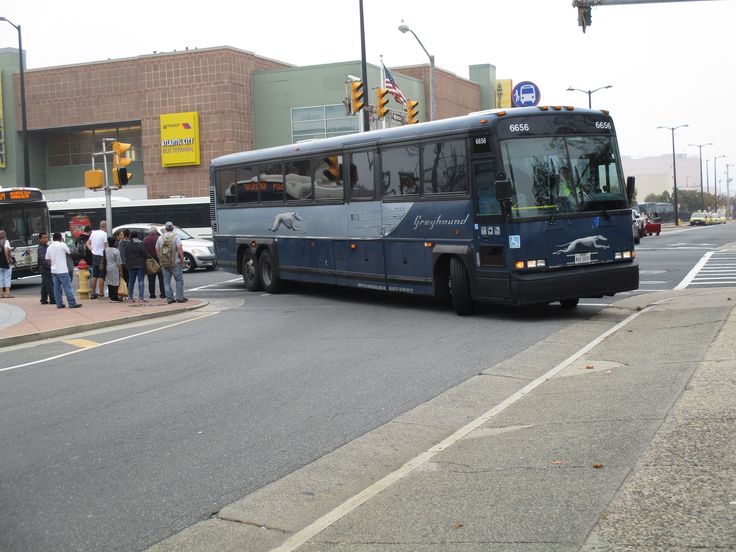
Three-Point Safety Belts
Greyhound states that most of its fleet has three-point safety belts, with these belts installed on its new buses. A three-point belt includes both lap and shoulder sections and is designed to help restrain passengers during sudden stops or collisions.
Passengers should use an available seat belt throughout the journey and follow the manufacturer’s instructions for proper positioning.
Wheelchair Lifts and Accessibility
Greyhound states that all its buses are equipped with wheelchair lifts to assist passengers using wheelchairs or mobility scooters when boarding. Accessibility features are an important part of passenger transportation because they help make intercity travel more accommodating.
Travelers who need boarding assistance or accessible arrangements should review the company’s accessibility information and contact Greyhound before departure to discuss their requirements.
Emergency Exits and Onboard Equipment
Passenger buses are subject to requirements covering emergency exits and related safety equipment. These features provide designated ways to leave the vehicle if an emergency occurs.
Passengers should pay attention to safety instructions and become familiar with the location of emergency exits when boarding.
Safety Measures During the Journey
Passenger protection also depends on how a journey is managed. Drivers must follow applicable transportation regulations, including rules governing driving time and rest periods.
Federal hours-of-service requirements are designed to reduce risks associated with driver fatigue. These regulations limit the amount of time commercial passenger vehicle drivers can spend driving and working within specified periods.
Other important aspects of safe bus operations include:
- Following posted speed limits and road regulations.
- Maintaining appropriate space between vehicles.
- Adjusting driving practices to weather and traffic conditions.
- Responding appropriately to mechanical or road-related concerns.
- Following company procedures for passenger assistance and emergencies.
Together, these practices support safer public transportation and help drivers manage the responsibilities associated with long-distance routes.
Passenger Safety Tips Before and During a Greyhound Trip
Although transportation companies are responsible for operating and maintaining their vehicles, passengers can also take practical steps to improve their travel experience.
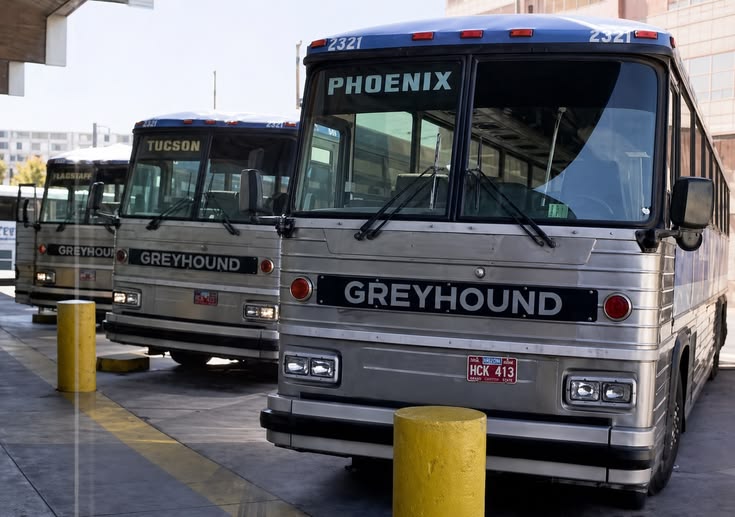
Consider these tips before and during your journey:
- Arrive early: Reach the boarding location with enough time to check your ticket, luggage and departure details.
- Use your seat belt: If your seat has a safety belt, fasten it properly and keep it secured while seated.
- Notice emergency exits: Familiarize yourself with the nearest emergency exit and follow crew instructions.
- Keep belongings secure: Store luggage in designated areas and avoid blocking aisles or exits.
- Follow driver instructions: Pay attention to announcements and directions during boarding and travel.
- Report concerns: Inform Greyhound staff if you notice a possible safety issue or need assistance.
These simple precautions can help passengers feel more prepared, particularly when traveling long distances or using an unfamiliar bus route.
Frequently Asked Questions
Does Greyhound provide driver safety training?
Yes. Greyhound states that drivers complete an extensive training program before carrying passengers and receive ongoing training throughout their careers.
Do Greyhound buses have seat belts?
Greyhound states that most of its fleet has three-point safety belts. The feature is available on its new buses, so passengers should check their assigned vehicle when boarding.
Are Greyhound buses inspected before trips?
Greyhound says drivers check buses before each trip. Passenger motor carriers are also subject to federal vehicle inspection, repair and maintenance requirements.
Do Greyhound buses offer wheelchair accessibility?
Greyhound states that all its buses are equipped with wheelchair lifts. Passengers who need accessibility assistance should contact the company ahead of travel to confirm arrangements.
Final Thoughts
Understanding Greyhound bus safety standards can help travelers make more informed decisions when planning intercity journeys. Driver training, vehicle inspections, maintenance procedures and onboard safety features all contribute to passenger protection.
Passengers can also play an active role by using available seat belts, keeping emergency exits clear and following travel instructions. Before departure, reviewing Greyhound’s latest travel and accessibility information is a practical way to prepare for a more informed and comfortable bus journey.