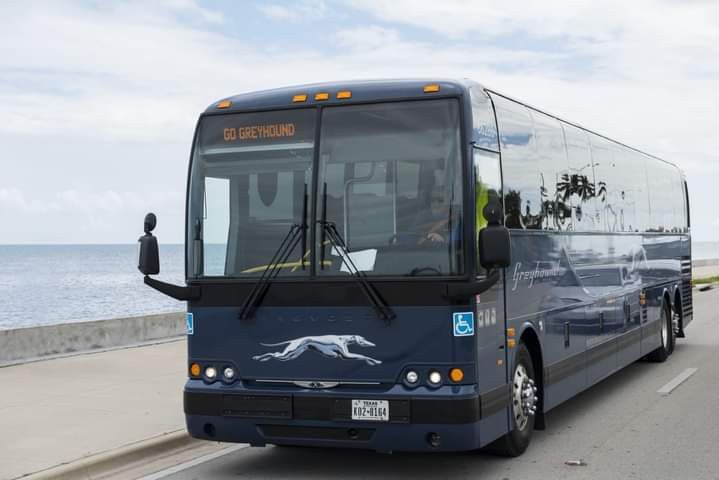
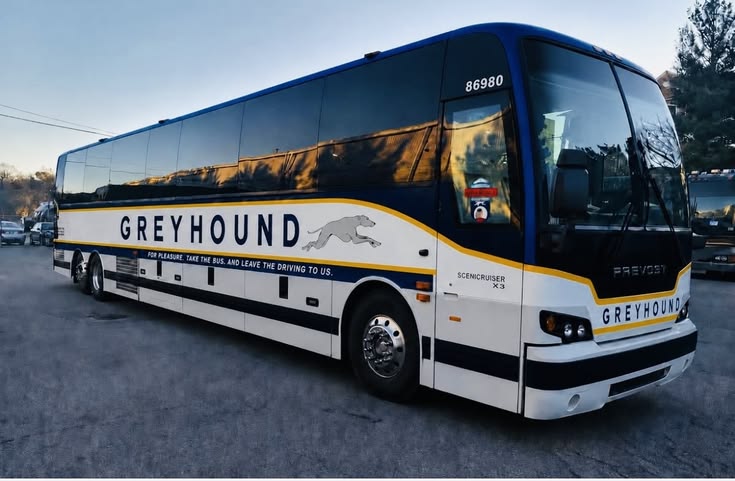
Managing employee transportation can become complicated when a business regularly sends staff to different cities, training locations, client meetings, or operational sites. Companies need reliable transport options, organised booking procedures, and convenient payment arrangements to keep business journeys manageable. Greyhound corporate travel accounts provide businesses and agencies with a dedicated way to arrange ground transportation through Greyhound’s Commercial Sales team.
For small businesses, large corporations, and organisations operating across the United States and Canada, Greyhound offers business travel account services designed around organisational requirements. Its Commercial Sales team assists with account management, billing, customer service, and different ordering methods. Understanding these services can help businesses determine whether a corporate account is suitable for their transportation needs.
What Are Greyhound Corporate Travel Accounts?
Greyhound corporate travel accounts are business-oriented arrangements that allow eligible organisations to manage transportation purchases through a dedicated commercial sales team.
Unlike ordinary individual ticket bookings, these accounts are designed for organisations that arrange bus travel regularly for employees, clients, students, or other passengers. Businesses can contact Greyhound’s Commercial Sales department to establish a business charge or credit card account.
Greyhound has more than 25 years of experience managing business-related travel requirements. Its commercial team provides a single point of contact for several account-related responsibilities.
Key features include:
- Dedicated account management: A single contact point for sales, billing, and customer service.
- Business payment arrangements: Eligible organisations can establish a business charge or credit card account.
- Electronic billing: Businesses can use electronic billing for their account arrangements.
- Multiple ordering methods: Different ordering options are available according to organisational requirements.
- Industry-specific support: Special ordering interfaces are available for trucking customers using Tenstreet and EBE.
These features can make transportation administration easier for organisations that regularly coordinate intercity bus journeys.
Businesses That Can Benefit from Greyhound Corporate Travel Accounts
Not every organisation has the same transportation requirements. A logistics company may need to arrange employee journeys to different operational locations, while an educational organisation may coordinate transportation for students or staff.
Greyhound’s commercial services currently support several types of businesses and agencies across the United States and Canada.
Some examples include:
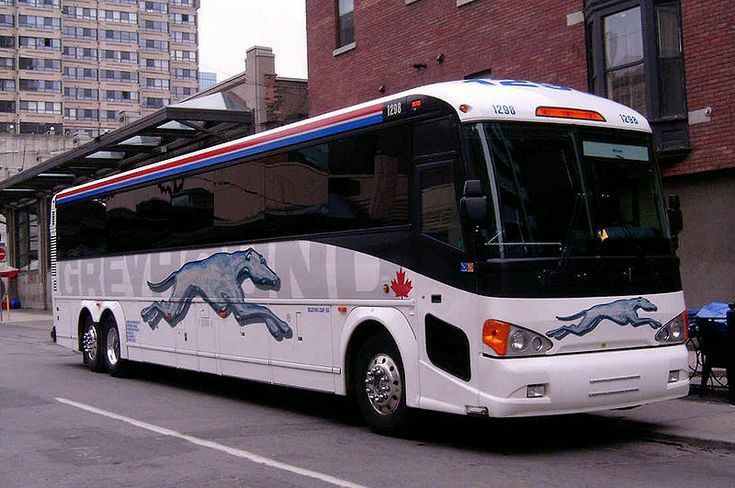
1. Trucking and Logistics Companies
Transportation businesses may need to arrange journeys for drivers, recruits, or employees travelling between operational locations. Greyhound’s commercial team also supports ordering through Tenstreet and EBE interfaces for trucking customers.
2. Travelling Sales Companies
Sales professionals frequently travel between cities to attend meetings, visit clients, and manage regional operations. A business travel account can provide a central point of contact for organising eligible transportation purchases.
3. Educational Organisations
Educational transportation requirements may involve arranging journeys for students, employees, or other authorised passengers. Organisations can contact Commercial Sales to discuss suitable account arrangements.
4. Government and Non-Profit Agencies
Municipal, state, and federal agencies, along with non-profit and social service organisations, are also among the business types Greyhound currently manages.
5. Client Transportation Services
Organisations responsible for arranging client journeys can explore business account options to coordinate transportation and manage related billing requirements.
Setting Up a Greyhound Business Travel Account
Opening a business account requires contacting Greyhound’s Commercial Sales team. The process is different from purchasing a regular passenger ticket through the website.
Businesses should first identify their transportation needs and account requirements before contacting the team.
Follow these steps to get started:
- Identify your business requirements: Estimate how frequently employees or clients need intercity transportation and identify the routes involved.
- Contact Commercial Sales: Call Greyhound at 1-800-440-7712 (option 2) to discuss establishing a business account.
- Discuss payment arrangements: Ask about the available business charge and credit card account options.
- Review account management: Understand how sales assistance, billing, and customer service will be handled.
- Confirm ordering methods: Discuss which ordering options are suitable for your organisation.
- Establish your account: Follow the instructions provided by Greyhound’s commercial team to complete the setup process.
Businesses can also visit the official Greyhound Commercial Sales page for additional information.
Corporate Ground Transportation: Planning Business Trips Efficiently
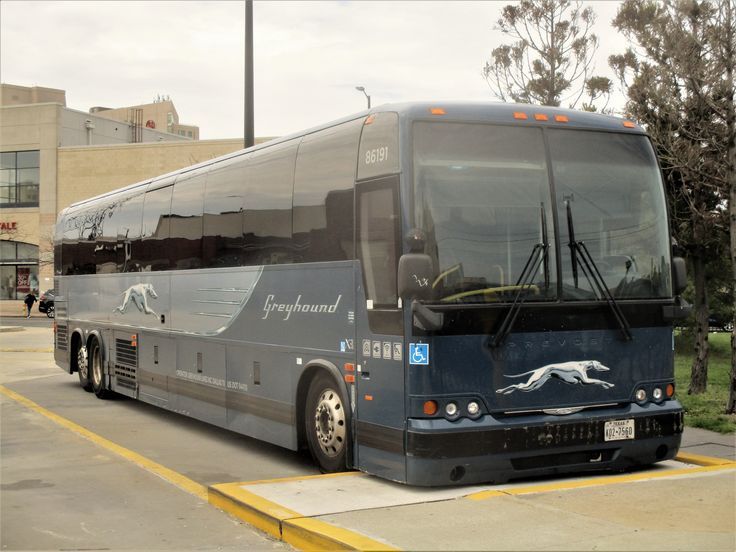
Once an organisation has established its transportation arrangements, creating a consistent booking process can help employees and administrators manage business journeys more effectively.
Greyhound operates an extensive intercity bus network across the United States, connecting destinations such as New York, Chicago, Dallas, Houston, Atlanta, and Los Angeles. Route availability and journey schedules depend on the selected travel dates and connections.
Companies can improve their internal transportation planning by following a few practical steps:
- Establish travel guidelines: Define which employees are authorised to arrange company transportation and which journeys qualify as business travel.
- Plan routes in advance: Check available connections and departure schedules before confirming employee travel.
- Maintain booking records: Keep relevant journey confirmations and payment information organised for administrative purposes.
- Coordinate employee requirements: Make sure travellers receive accurate departure locations, schedules, and ticket details.
- Review billing procedures: Understand how account charges and electronic billing will be handled by the business.
These practices can support better coordination without requiring every employee to independently manage the organisation’s transportation arrangements.
Frequently Asked Questions
1. Can small businesses open Greyhound corporate travel accounts?
Yes. Greyhound’s Commercial Sales team assists both small and large businesses, as well as agencies based in the United States and Canada, with establishing business travel accounts.
2. How can a company contact Greyhound Commercial Sales?
Businesses can call 1-800-440-7712 and select option 2 to discuss account setup and available arrangements. Additional information is available through the official Commercial Sales webpage.
3. Does Greyhound offer electronic billing for business accounts?
Yes. Greyhound lists electronic billing among the services available through its Commercial Sales programme. Businesses should contact the team to understand the billing arrangements applicable to their account.
4. Which industries can use Greyhound business travel services?
Greyhound currently manages accounts for trucking companies, logistics businesses, travelling sales companies, educational transportation, government agencies, non-profit organisations, social service agencies, and client transportation services.
5. Can trucking companies use specialised ordering systems?
Yes. Greyhound specifically supports ordering through the Tenstreet and EBE interfaces for the convenience of its trucking customers. Businesses should contact Commercial Sales to discuss the appropriate ordering process.
Conclusion
Managing employee and client transportation requires organised booking arrangements, clear payment procedures, and dependable customer support. Greyhound corporate travel accounts offer businesses and agencies a dedicated commercial contact, electronic billing, and different ordering options to support their transportation requirements.
Whether you manage a logistics company, a travelling sales team, an educational organisation, or a non-profit agency, exploring a dedicated business account can help you establish a more structured approach to intercity transportation.