Traveling between major cities is relatively straightforward, but reaching smaller towns and rural communities can require additional planning. Not every destination has a direct intercity bus route or railway station. Greyhound interline partnerships help address this challenge by connecting its transportation network with independent bus operators and other regional services.
These partnerships allow passengers to explore more destinations through coordinated travel connections. They also support regional transportation access by linking smaller communities with larger cities, transportation hubs and rail services. Understanding how Greyhound partner bus services and Amtrak Thruway connections work can help travelers plan journeys beyond the company’s direct routes.
What Are Greyhound Interline Partnerships?
Interline partnerships are arrangements between transportation companies that allow their services to connect as part of a wider journey. Instead of relying entirely on one bus operator, passengers may travel using multiple carriers to reach their destination.
Greyhound works with independent bus lines across the United States to extend its transportation reach. These partner companies provide complementary services that connect smaller towns and regional destinations with Greyhound’s broader network.
For example, a passenger may travel on a regional bus from a smaller community to a larger transportation hub before continuing on a Greyhound service to another state.
The main purpose of these arrangements is to improve connectivity without requiring Greyhound to operate every route directly.
Greyhound also identifies partner stations as part of its wider network. These are locations operated by other bus companies or local agents where passengers may board or leave a bus. The availability of specific connections depends on the route and booking arrangements.
How Greyhound Partner Bus Services Extend Regional Connectivity
Independent bus operators play an important role in regional transportation. While large companies typically focus on major travel corridors, smaller operators may serve communities that receive less frequent transportation services.
Greyhound partner bus services help connect these regional routes with longer-distance journeys.
These connections can benefit passengers in several ways:
- Access to smaller destinations: Regional operators can connect towns that are not directly served by Greyhound.
- More travel possibilities: Passengers can combine services from different operators to reach additional destinations.
- Connections to major hubs: Smaller communities gain links to larger cities where passengers can continue their journeys.
- Regional transportation support: Partnerships help maintain travel options for communities with limited transportation alternatives.
The arrangement can be particularly useful for passengers traveling from rural areas to major cities for work, education, family visits or other personal commitments.
However, not every independent bus operator participates in every Greyhound route. Travelers should check the available itinerary and operating carrier before booking.
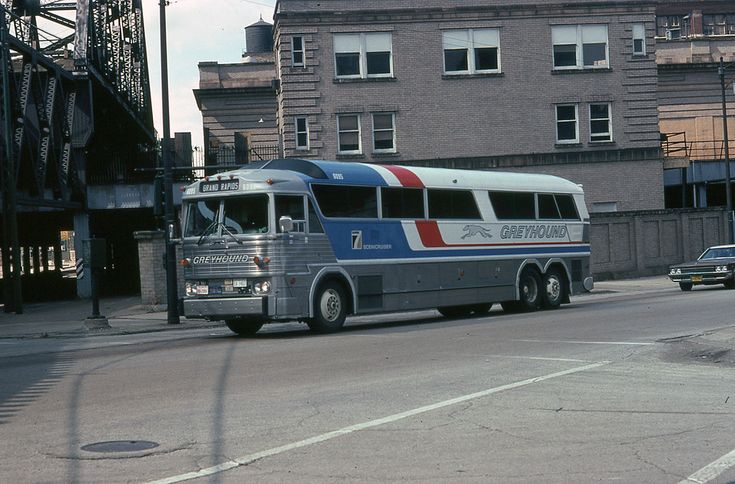
Understanding Greyhound Regional Connections and Partner Routes
Greyhound regional connections are designed to make journeys involving multiple transportation providers easier to plan.
A passenger might begin with a regional bus service, transfer at a designated station and continue on a Greyhound coach toward a larger destination. Depending on the itinerary, additional connections may also be available.
For instance, someone traveling from a smaller town in the Midwest to a major city on the East Coast may need a regional connection before joining a longer intercity route.
When comparing Greyhound partner routes, passengers should pay attention to:
- Transfer locations: Check where the journey changes from one operator to another.
- Connection times: Allow enough time between scheduled arrivals and departures.
- Operating carriers: Identify which company operates each part of the journey.
- Ticket arrangements: Confirm whether the entire itinerary is available through one booking or requires separate tickets.
- Baggage policies: Review luggage allowances and handling arrangements for each carrier.
A coordinated ticket can simplify planning, but passengers should always review the conditions attached to their particular itinerary.
Greyhound and Amtrak Thruway: Connecting Bus and Rail Travel
One of the most useful examples of bus and rail connectivity is Amtrak Thruway service.
Amtrak uses the Thruway name for connecting transportation services that help passengers access its rail network. These connections may involve buses, vans, shuttles and other transportation providers.
Greyhound is among the bus operators used for certain Amtrak Thruway connections. This arrangement allows passengers to combine rail travel with bus transportation when their destination is not directly served by an Amtrak train.
For example, a traveler may take an Amtrak train to a regional transportation hub and then continue by bus to a nearby city or community.
Amtrak’s network planning documents distinguish between dedicated Thruway buses and interline services operated by independent transportation partners. With interline arrangements, passengers can purchase connecting travel as part of a coordinated itinerary.
This model expands the reach of rail transportation by allowing passengers to access destinations beyond the railway network.
Benefits of Amtrak Thruway Connections
The combination of bus and rail services offers several practical advantages:
- Wider destination coverage: Passengers can reach places without direct rail service.
- Combined travel planning: Eligible connections can be included in a coordinated booking.
- Access to regional communities: Smaller destinations can benefit from links to major railway stations.
- More transportation choices: Travelers can combine different modes of transport according to their destination.
Passengers should check the specific Amtrak itinerary to confirm whether a Greyhound bus connection is available and whether the transfer is included in their ticket.
How to Plan a Journey Using Greyhound Partner Connections
Passengers planning a journey involving multiple bus operators should review the complete itinerary before purchasing tickets.
A few practical steps can make the process easier:
- Search your complete journey: Enter your starting point and final destination on Greyhound’s booking platform.
- Review connecting routes: Compare itineraries that involve regional operators or connecting services.
- Check the operating carrier: Confirm which company provides each section of the trip.
- Review transfer details: Check station locations, departure times and connection intervals.
- Understand baggage conditions: Different operators may have different luggage rules.
- Keep booking information accessible: Save your tickets and confirmation details for every part of the journey.
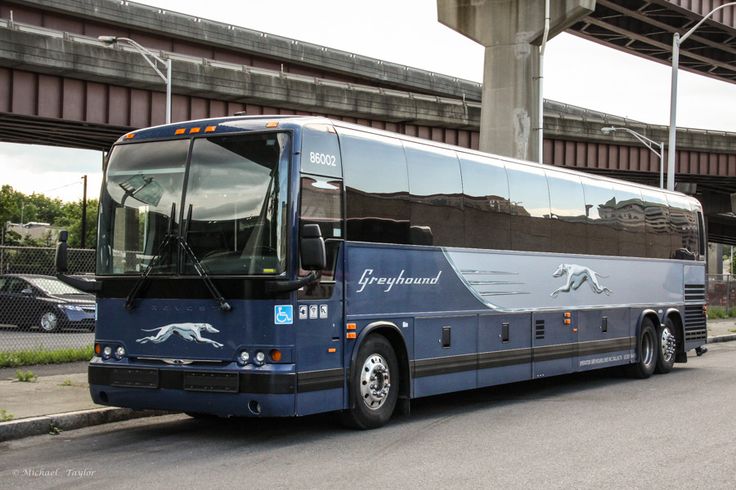
For journeys involving Amtrak, passengers can also search available train and Thruway combinations through Amtrak’s official booking platform.
Frequently Asked Questions
What are Greyhound interline partnerships?
They are arrangements with independent transportation providers that help extend Greyhound’s network through connecting bus services and additional destinations.
Does Greyhound work with independent bus operators?
Yes. Greyhound states that it has partnerships with several independent bus lines across the United States to extend its reach to smaller towns and regional destinations.
What is Greyhound Amtrak Thruway service?
Amtrak Thruway provides connecting transportation between rail services and destinations that may not have direct train access. Greyhound operates some of these connecting bus services.
Can passengers book connecting journeys through different operators?
Some connecting itineraries are available through coordinated bookings. Availability and ticket conditions depend on the route and participating transportation providers.
Final Thoughts
Greyhound interline partnerships demonstrate how transportation companies can work together to connect destinations beyond their individual routes. By collaborating with independent bus operators and participating in Amtrak Thruway services, Greyhound helps extend intercity travel options to smaller towns and regional communities.
For passengers, these arrangements can make journeys more flexible by connecting local bus services, long-distance coaches and rail transportation. Reviewing available routes, operating carriers and transfer details before booking can help travelers make better-informed decisions and plan smoother journeys across North America.