Planning a bus journey and wondering how much luggage you can bring? Understanding the Greyhound baggage allowance before departure helps you avoid unexpected fees, packing issues, and delays at the station. Whether you are travelling between major US cities such as New York, Chicago, Los Angeles, or Dallas, knowing the rules for carry-on bags, checked luggage, and additional baggage makes your trip easier.
Greyhound generally includes one carry-on bag and one stored bag with a standard ticket for travel in North America, excluding Mexico. However, size limits, extra baggage charges, and allowances can vary by route and fare. Here is a practical guide to the Greyhound luggage policy so you can prepare before boarding.
What Is the Greyhound Baggage Allowance?
For most Greyhound journeys in the United States and Canada, your ticket includes two basic baggage options: one small bag that stays with you inside the bus and one larger bag stored in the luggage compartment underneath it.
The standard allowance generally includes:
- One carry-on bag: Stored under your seat or in the overhead compartment.
- One stored or checked bag: Placed in the under-bus luggage compartment.
- Additional baggage: May be available for a fee, depending on space and your itinerary.
Greyhound’s rules differ for some international services, particularly journeys involving Mexico. Always check the official baggage policy and the details associated with your booking before travelling.
Greyhound Carry-On Bag: Size and Weight Rules
Your Greyhound carry-on bag should be compact enough to fit under your seat or in the overhead storage area. Keeping essential items in this bag means you can reach them during the journey without accessing the luggage compartment.
For US services, Greyhound commonly specifies the following carry-on limits:
- Maximum dimensions: 16 × 12 × 7 inches.
- Maximum weight: 25 pounds.
- Quantity: One carry-on bag per passenger under the standard allowance.
Confirm the limits for your specific trip, particularly if your journey includes a partner operator.
What Should You Pack in Your Carry-On?
Your carry-on is best reserved for items you may need while travelling. Consider keeping these bus travel essentials together:
- Photo identification, tickets, and travel documents.
- Phone, charger, headphones, and other small electronics.
- Medication and personal care products.
- Wallet, cash, cards, and other valuables.
- A light jacket, snacks, and a reusable water bottle where permitted.
Avoid packing valuables in stored baggage. You will have better access to important belongings when they remain with you.
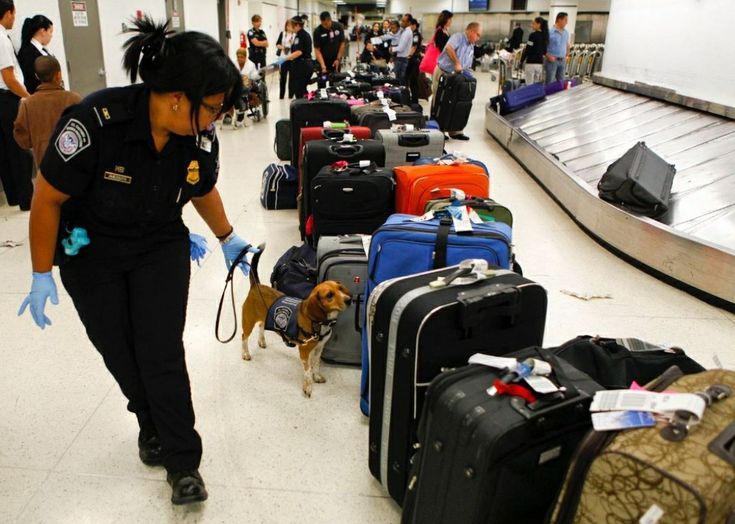
Greyhound Checked Baggage: Allowance and Storage
The Greyhound checked baggage allowance generally includes one stored bag at no additional cost on standard North American journeys, excluding Mexico. This bag travels in the luggage compartment underneath the coach, leaving the passenger cabin free of larger suitcases.
A stored bag is suitable for clothing, shoes, toiletries, and other items you do not need during the ride. Before packing, verify the current size and weight limits shown in Greyhound’s official baggage rules for your route.
How to Prepare Your Stored Baggage
Greyhound recommends using luggage that can be secured properly. Suitable options include suitcases, backpacks, duffel bags, trunks, and securely tied boxes.
Follow these precautions:
- Attach a luggage tag with your name and contact details.
- Place a second identification note inside the bag.
- Use a durable suitcase or travel bag with secure closures.
- Avoid loose plastic or paper bags and items protruding from your luggage.
- Keep fragile items protected and valuables in your carry-on.
At boarding, follow the driver’s instructions for loading your stored baggage. Remember where your bag is placed, because you are responsible for collecting it at your destination and during transfers.
Greyhound Luggage Policy for Extra and Bulky Bags
Need to bring more than the standard allowance? Greyhound may permit additional baggage, but fees and availability depend on your route, booking, and the capacity of the bus’s luggage compartment.
The company recommends adding extra baggage online when booking or later through its Manage My Booking service. Some staffed stations may also accept baggage purchases.
Extra baggage fees vary. Greyhound’s published fee information lists different price ranges by currency and market, so there is no single price that applies to every journey.
What Counts as Bulky Baggage?
Oversized items may fall under separate bulky baggage rules rather than the standard luggage allowance. Greyhound’s US baggage guidance specifies a maximum combined dimension of 95 inches for a bulky bag, calculated by adding its length, width, and height. A fee may apply, and booking is subject to availability.
Items such as bicycles, golf clubs, skis, and ski poles may be treated as bulky baggage. They may also need substantial protective packaging and secure fastening.
Before departure:
- Check the current fee for your route.
- Add extra or bulky baggage to your booking in advance.
- Confirm whether your item meets the size and packaging rules.
- Do not assume that extra luggage can be accepted at the station without prior confirmation.
Luggage Restrictions and Items to Keep in Mind
The Greyhound luggage policy is designed to keep baggage manageable and safe to load. Items that are poorly packed, difficult to handle, or outside the published limits may be refused or require special arrangements.
For a smoother trip, remember these rules:
- Keep your carry-on small enough for the designated storage area.
- Securely pack all checked items.
- Label every bag clearly.
- Follow the carrier’s restrictions for prohibited or hazardous items.
- Check special requirements for mobility equipment, strollers, car seats, and sports equipment.
Greyhound permits certain items, including strollers and car seats, under specific conditions. Review the current official rules if you are travelling with children or specialised equipment.
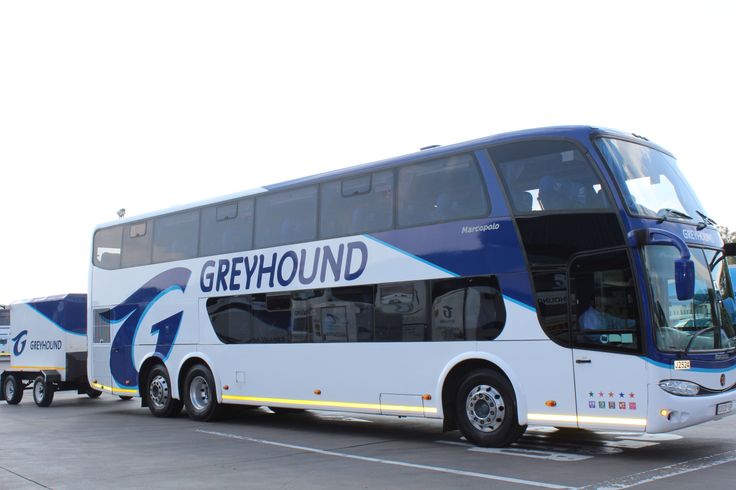
What Happens to Your Bags During Transfers?
If your itinerary includes a connection, you are responsible for collecting your stored baggage and taking it to the next bus. Do not assume that a bag will automatically transfer between coaches.
During a layover or rest stop, take your carry-on with you whenever you leave the bus. Before boarding the next service, double-check your ticket, departure information, and baggage.
This is especially important on longer journeys between cities such as New York and Washington, DC, or Los Angeles and Las Vegas, where a connection may be part of your itinerary.
FAQs About Greyhound Baggage Allowance
1. How many bags can I take on a Greyhound bus?
Most standard North American journeys include one carry-on bag and one stored bag. Additional bags may be permitted for a fee, subject to availability and route-specific rules.
2. What is the Greyhound carry-on bag size?
Greyhound commonly lists a maximum carry-on size of 16 × 12 × 7 inches and a weight limit of 25 pounds for US services. Check your specific itinerary for the applicable requirements.
3. Is checked baggage free on Greyhound?
One stored bag is generally included with a standard ticket on eligible North American journeys. Additional or bulky baggage may incur fees.
4. Can I bring extra baggage on Greyhound?
Yes, extra baggage may be available depending on the bus’s capacity and your route. Add it during booking or through Manage My Booking, and check the applicable fee before departure.
5. Do I need to label my Greyhound luggage?
Yes. Clearly label your bag with your name and contact details, and place identification inside it as well. This can help identify your belongings if a bag is misplaced.
6. What happens if my luggage is lost or damaged?
Report the issue through Greyhound’s official lost-and-found process and provide your trip and baggage details. Greyhound’s terms limit its liability for lost or damaged baggage, so review the applicable conditions before travelling.
Conclusion: Check Your Greyhound Baggage Allowance Before You Travel
Knowing the Greyhound baggage allowance helps you pack confidently, avoid unnecessary fees, and keep essential items accessible throughout your journey. Most eligible North American trips include one carry-on and one stored bag, while additional and bulky baggage may require advance payment and depend on available space.
Before leaving home, measure and weigh your bags, attach identification tags, and review the latest rules for your route. Visit the official Greyhound website to check baggage requirements, review extra-bag fees, and book your next bus journey with confidence.