For decades, the standard blueprint for a vacation looked remarkably consistent. You booked a resort, packed a swimsuit, and spent a week doing as little as humanly possible. The ultimate goal was passive relaxation, an escape from the daily grind where success was measured by how many hours you spent lounging by a pool or reading a novel on a beach.
But as we navigate 2026, the global travel landscape has fundamentally shifted. Industry experts are noting a massive, structural transition away from mindless escapes and toward the “whycation.”
Today’s travelers are no longer content to simply drop out of their lives for a week; they want to plug into something deeper. A whycation is travel with an explicit, proactive intention: to learn a new skill, master an ancient craft, understand a complex history, or return home fundamentally changed. It is active engagement over passive consumption. Instead of just taking a break from life, people are traveling to add meaning to life.
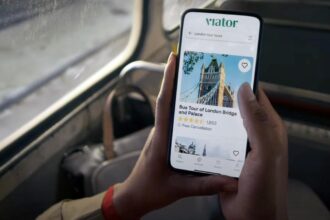
When your travel objective changes from “resting” to “growing,” the traditional tourist traps won’t cut it. You don’t need a tour bus with a megaphone; you need access to local masters, artisans, and experts. This is exactly where platforms like Viator have become the ultimate toolkit for the purpose-driven traveler.
What is a “Whycation” and Why is it Dominating 2026?
The rise of the whycation is driven by a collective realization that the most memorable travel experiences aren’t the ones where we sat still, they are the ones where we stepped outside our comfort zones.
Consider the emotional difference between two travel scenarios:
- Scenario A: You spend three days sitting on a private beach in Italy. You return home with a tan that fades in two weeks and a phone gallery full of identical ocean photos.
- Scenario B: You spend an afternoon in a family-run Roman kitchen, learning the precise science of emulsifying pecorino and pasta water into a flawless Cacio e Pepe. You return home with a lifelong culinary skill that you can share with your family for decades.
The whycation recognizes that skills, knowledge, and cultural fluency are the only permanent souvenirs. Whether it’s learning a language, mastering a dance, or understanding local architecture, purposeful travel transforms tourism into an active investment in your personal development.
From Passive Spectator to Active Participant: Viator’s Immersive Experiences
The biggest challenge of planning a whycation is access. If you want to take a world-class pottery class in a foreign country, how do you find a legitimate local master who is willing to teach a traveler? How do you ensure you aren’t just signing up for a commercialized tourist trap?
Viator solves this friction point by curating the largest global marketplace of specialized micro-experiences. By shifting your search away from generic landmark tickets and moving directly into curated subcategories, you can build an itinerary focused entirely on experiential growth.
If you are ready to plan a journey that focuses on acquiring new skills, there are three primary paths to explore on the platform.
1. Culinary Masterclasses: Learning to Feed the Soul
Food is the easiest entry point into a culture, but dining out only tells half the story. To truly understand a region’s history, you have to learn how its ingredients interact.
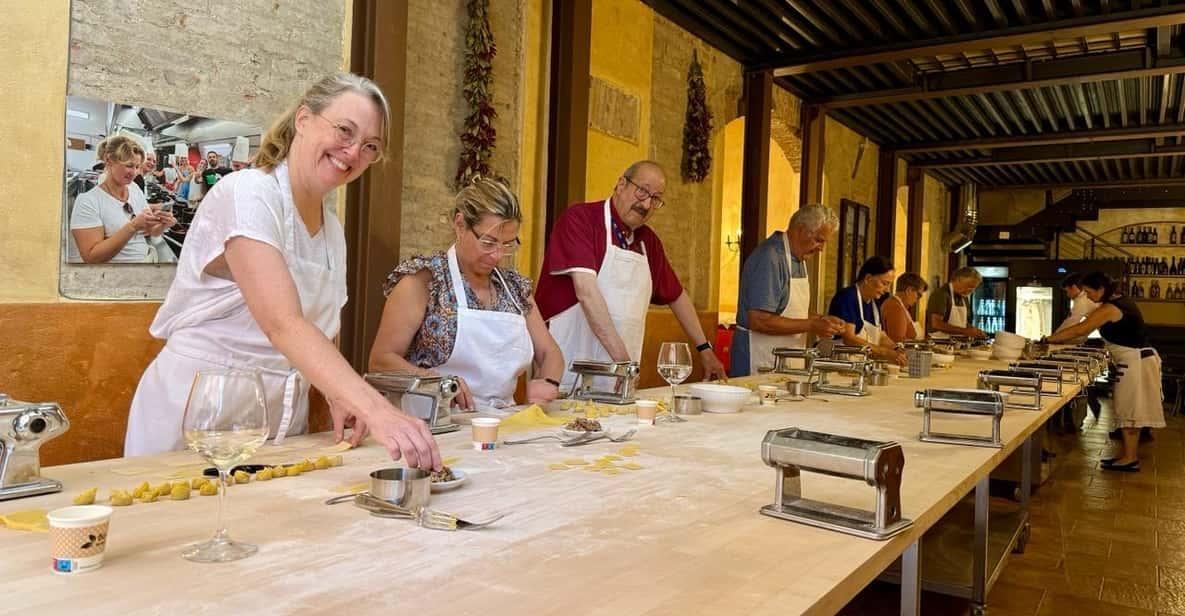
Instead of just booking a table at a tourist-heavy restaurant in Rome, you can use the platform to source an intimate masterclass taught by local home cooks or professional chefs. You can learn the exact physics of rolling pasta dough, the art of balancing regional olive oils, and the cultural storytelling that accompanies every traditional dish.
- Where to find it: If you want to transform your kitchen skills, dive straight into the specialized Viator Classes & Workshops ecosystem to browse professional culinary setups, regional wine blending workshops, and home-cooking experiences across the globe.
2. Cultural & Kinetic Rhythms: Movement as Education
Some cultures cannot be understood through text or museums; they must be felt through kinetic movement. A whycation focused on artistic expression challenges your physical capabilities while dropping you straight into the heart of local community dynamics.
Imagine traveling to Rio de Janeiro. You could stand at the base of a monument with a thousand other tourists, or you could book an intensive Samba lesson in a local dance studio. Learning the complex syncopation of the steps, understanding the historical roots of the music, and participating in the physical joy of the art form provides a level of cultural immersion that no guidebook can match.
- Where to find it: To locate local dance schools, traditional music workshops, and deep historical deep-dives, filter your search through Viator Cultural & Theme Tours to find hosts who treat their heritage as a living, breathing practice.
3. Preservation Crafts: Traditional Artisanship
In our hyper-digitized, mass-produced world, there is a profound luxury in working with your hands. Many travelers are using their vacation time to preserve and learn dying artistic traditions directly from heritage masters.
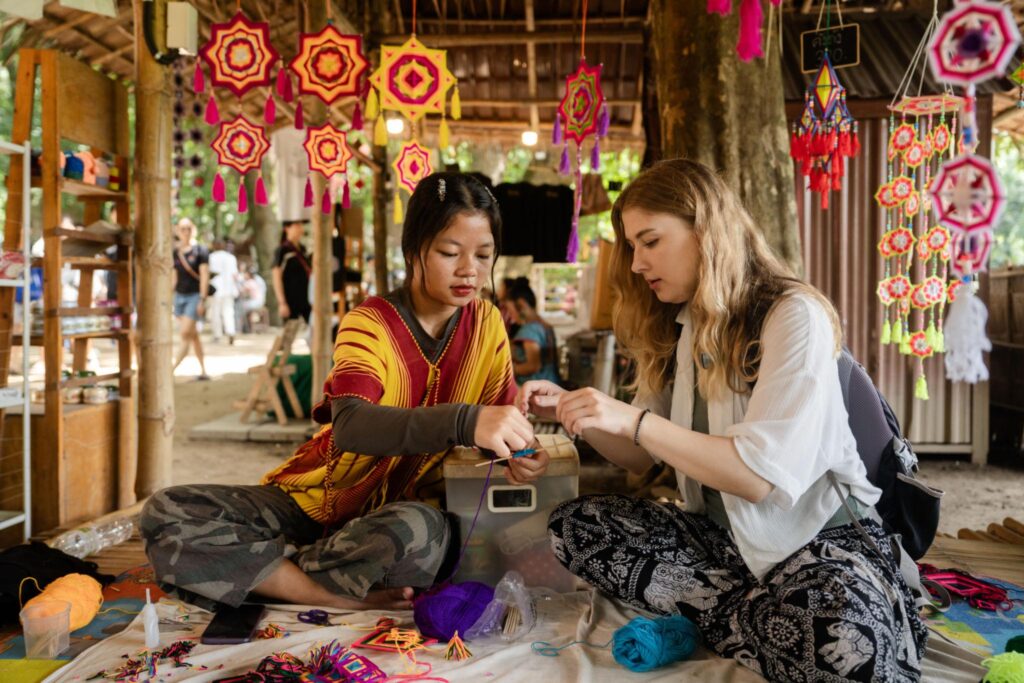
Take Kyoto, Japan, for example. The city is famous for its temples, but its true magic lies in its traditional crafts. Through specialized workshops, you can sit down at a traditional wheel in a historic studio to learn the patient, precise art of Japanese pottery. You learn how local clay responds to pressure, the philosophy of wabi-sabi (finding beauty in imperfection), and the ancient firing techniques that give the pottery its distinct texture.
The Trust Architecture: Navigating Verified Traveler Reviews
The magic of a whycation relies entirely on the quality of the teacher. A subpar instructor turns an immersive masterclass into an awkward, frustrating waste of a afternoon. When you are paying for education and experience, you need to know you are learning from a legitimate, top-tier local expert.
This is where Viator’s massive data engine becomes highly protective for travelers. The platform features millions of verified traveler reviews that function as an active filtering system for quality control.
When you are booking a technical skill-building class, like a photography workshop in Paris or a surfing lesson in Bali, you shouldn’t guess. The platform allows you to aggressively filter your results to ensure optimal quality:
- Sort by “5-Star Rated”: This immediately isolates the top-tier local experts who have consistently delivered exceptional, high-value instruction.
- Read the Nuance: Verified reviews allow you to see exactly how the class is run. You can search reviews for terms like “patient,” “small group size,” or “hands-on” to match the experience to your specific learning style.
- Filter for Small Groups: True skill acquisition requires individual attention. Review logs help you identify which tours keep their numbers low, ensuring you get direct feedback from your instructor.
How to Build a Whycation Itinerary: A Step-by-Step Guide
If you are ready to pivot from a standard vacation to a purpose-driven journey, your planning process needs to change. Here is a quick, actionable framework for structuring a whycation using the platform’s advanced tools.
Step 1: Define Your Goal: Decide what skill, hobby, or cultural experience you want to return home with.
Step 2: Filter the Right Categories: Browse Classes & Workshops or Cultural & Theme Tours to find experiences aligned with your interests.
Step 3: Apply the Trust Filter: Sort by 5-Star Rated experiences and review the maximum group size to identify high-quality, more personalized tours.
Step 4: Build a Balanced Itinerary: Anchor your trip with two or three immersive learning experiences, leaving enough free time to explore and practice what you’ve learned.
The Ultimate Souvenir is a New Perspective
The human brain does not remember days spent doing nothing; it remembers moments of active challenge, discovery, and connection.
As the whycation continues to define the travel landscape of 2026, the metrics of a successful trip are being rewritten. We no longer ask, “How relaxed are you?” Instead, we ask, “What did you learn? How did you grow? What can you do now that you couldn’t do before you left?”
By stepping away from the beach lounger and stepping into the kitchens, studios, and dance floors of the world, you transform travel from a temporary escape into a permanent upgrade of your capabilities. Stop just looking at the world. Dive into it, learn its secrets, and let local experts teach you how to see things differently.