
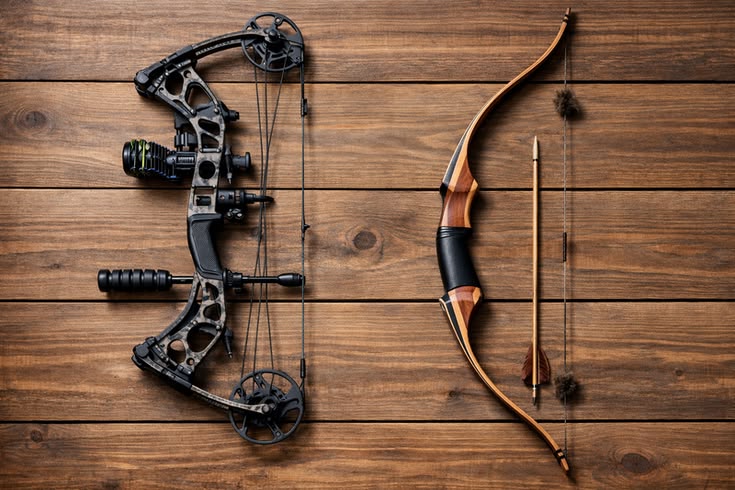
Choosing the right SCHEELS archery equipment can make target practice more consistent, comfortable, and enjoyable. Whether you are new to archery or refining an established setup, having compatible archery gear is important for developing repeatable technique. A practical setup may include a bow, arrows, bow sights, an arrow rest, a quiver, and suitable archery targets.
For archers in the United States, target practice can take place at dedicated ranges, clubs, or other locations where archery is permitted and appropriate safety requirements are followed. The goal should always be controlled practice with equipment selected for the user’s experience and the intended range.
What SCHEELS Archery Equipment Do You Need?
A complete target-practice setup does not necessarily require every accessory available. The most important consideration is compatibility between the bow, arrows, accessories, and the archer.
Essential SCHEELS archery equipment can include:
- Recurve or compound bow
- Correctly matched arrows
- Arrow rest
- Bow sight where appropriate
- Quiver
- Archery targets
- Arm protection
- Finger protection or an appropriate release aid
- Target-range accessories
Starting with compatible equipment is more useful than simply buying the largest collection of accessories.
Choosing Between a Recurve Bow and Compound Bow
The bow is the foundation of any target-practice setup. Two common categories are the recurve bow and compound bow, and each has a different design and shooting experience.
Recurve Bow
A recurve bow has limbs that curve away from the archer at the tips. Its relatively straightforward design makes it common in traditional and target archery.
A recurve setup may appeal to beginners because:
- The design is comparatively straightforward.
- There are fewer mechanical components.
- Technique plays a significant role.
- It can be used for structured target practice.
The draw weight should be appropriate for the individual rather than selected simply because a higher draw weight appears more powerful.
Compound Bow
A compound bow uses a system of cams and cables to alter the draw cycle and provide a mechanical advantage.
When considering a compound setup, pay attention to:
- Draw length
- Draw weight
- Cam configuration
- Bow fit
- Sight compatibility
- Arrow compatibility
- Intended use
Because compound bows can have more adjustable components, proper setup is particularly important.
SCHEELS Archery Equipment: Selecting the Right Arrows
Arrows are not universal accessories. Their specifications need to be appropriate for the bow and setup.
Using poorly matched arrows can affect consistency and equipment performance. Always follow the bow manufacturer’s compatibility recommendations and, where appropriate, seek assistance from a qualified archery professional.
When comparing arrows, consider:
- Arrow length
- Shaft material
- Spine rating
- Point type
- Nock compatibility
- Intended bow setup
Why Arrow Spine Matters
Arrow spine describes the shaft’s resistance to bending. The appropriate spine depends on factors including the bow’s characteristics, draw length, and draw weight.
This is why simply choosing an arrow based on appearance or price is not enough. Compatibility should come first.
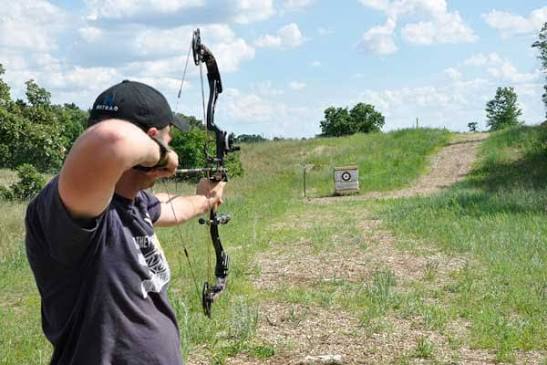
Bow Sights and Arrow Rests
Two important pieces of archery gear are bow sights and arrow rests.
A bow sight can provide a reference point for aiming, while an arrow rest supports the arrow during the shot. Different bow configurations use different accessory systems, so compatibility should be checked before purchasing.
Bow Sights
Depending on the setup, sights may offer:
- A defined aiming reference
- Adjustable aiming points
- Improved consistency
- Easier target alignment
Beginners should become comfortable with their basic shooting technique before making numerous adjustments.
Arrow Rests
An arrow rest needs to hold the arrow securely while allowing appropriate clearance during the shot.
Common considerations include:
- Compatibility with the bow
- Arrow clearance
- Adjustability
- Durability
- Ease of setup
A properly installed rest can contribute to repeatable arrow positioning.
Quivers Keep Arrows Organized
A quiver provides convenient storage for arrows during practice. While it may seem like a secondary accessory, choosing a suitable design can make range sessions more organized.
Quivers can vary in how they attach and how many arrows they hold. Consider:
- Capacity
- Attachment method
- Accessibility
- Weight
- Compatibility with your setup
For target practice, the most useful quiver is generally one that keeps arrows secure and accessible without interfering with shooting movement.
Archery Targets for Consistent Practice
Archery targets are central to target practice. The appropriate target depends on the type of arrows and bow being used, as well as the shooting environment.
A target should be specifically designed for the equipment being used and placed in a safe area with an appropriate backstop.
Target options can vary by:
- Material
- Size
- Intended arrow type
- Durability
- Target-face design
- Outdoor or indoor suitability
Before shooting, inspect the target and surrounding area. Never rely on the target alone to stop an arrow.
Safety Equipment Should Be Part of the Setup
Safety accessories are just as important as performance-oriented equipment. Archery involves projectiles traveling at high speed, so controlled shooting conditions are essential.
Useful protective equipment may include:
- Arm guard
- Finger tab or shooting glove
- Appropriate release aid for compatible compound setups
- Closed-toe footwear
- Eye protection where recommended
Always inspect equipment before shooting and replace damaged components.
SCHEELS Archery Supplies: What Beginners Should Prioritize
New archers can easily become overwhelmed by the number of available accessories. A simple approach is to build the setup around the bow and then add compatible equipment.
A practical checklist includes:
- Select an appropriate bow.
- Confirm the correct draw weight and fit.
- Choose compatible arrows.
- Add an appropriate arrow rest.
- Select a sight if the setup requires one.
- Add a suitable quiver.
- Choose an appropriate target.
- Include basic protective equipment.
- Have the setup checked when necessary.
- Practice at an approved and appropriately controlled location.
This approach can help prevent incompatible purchases and unnecessary accessories.
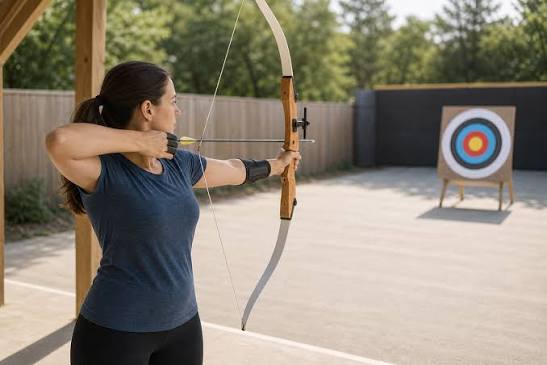
How to Build an Effective Target-Practice Setup
Good target practice is about consistency rather than simply shooting a large number of arrows. Start at an appropriate distance and concentrate on repeatable form.
Useful practice priorities include:
- Consistent stance
- Repeatable grip
- Controlled draw
- Consistent anchor point
- Stable aiming
- Smooth release
- Safe arrow retrieval
As technique develops, distance and practice complexity can be adjusted appropriately.
Choosing SCHEELS Archery Equipment by Experience Level
Different experience levels can call for different equipment priorities.
| Experience | Equipment Focus |
|---|---|
| Beginner | Correct bow fit, compatible arrows, basic protection |
| Developing archer | Sight adjustment, arrow consistency, improved accessories |
| Experienced archer | Fine equipment tuning and specialized accessories |
| Target-focused archer | Consistency, repeatability, and range-specific setup |
The important point is that equipment should support technique rather than compensate for poor fundamentals.
Maintenance and Equipment Checks
Regular inspection can help identify problems before a practice session. Examine the bow, string, cables where applicable, arrows, nocks, rests, and other components for signs of damage or excessive wear.
Before shooting, check:
- Bowstring condition
- Arrow shafts for damage
- Nocks and points
- Rest alignment
- Sight attachment
- Quiver security
- Target condition
Never shoot a visibly damaged arrow or compromised equipment.
Frequently Asked Questions About SCHEELS Archery Equipment
What equipment do I need for basic target practice?
A basic setup generally includes a suitable bow, compatible arrows, an appropriate target, and necessary protective equipment. Depending on the bow, a sight, arrow rest, quiver, or other accessories may also be required.
Is a recurve bow or compound bow better for beginners?
Neither is universally better. The choice depends on the archer’s goals, physical fit, instruction, and preferred shooting style. Proper setup and coaching are more important than simply choosing one category.
How do I choose the right arrows?
Arrow selection should follow the bow manufacturer’s specifications and take factors such as draw length, draw weight, and arrow spine into account. A qualified archery specialist can help verify compatibility.
Do I need a bow sight for target practice?
Not necessarily. Some archers shoot without sights, while others use them as an aiming reference. The appropriate choice depends on the bow configuration and shooting discipline.
What should I look for in an archery target?
Choose a target specifically designed for the bow and arrow combination being used. Consider target durability, size, material, and whether it is appropriate for the intended shooting environment.
How often should archery equipment be inspected?
Equipment should be checked before every shooting session, particularly strings, cables, arrows, nocks, and other components subject to wear. Damaged equipment should not be used.
Conclusion: Choose SCHEELS Archery Equipment Around Your Setup
The right SCHEELS archery equipment should create a compatible, controlled, and practical setup for target practice. Start with the bow, then select arrows and accessories that match its specifications. Items such as bow sights, arrow rests, quivers, and archery targets can then be added according to your shooting style and requirements.
For US archers, practicing at an appropriate range or permitted location and following local rules and range procedures should remain a priority. Equipment selection should always be combined with safe handling, regular inspection, and proper instruction.
Ready to build your target-practice setup? Explore SCHEELS archery supplies and compare compatible archery gear for your next range session.