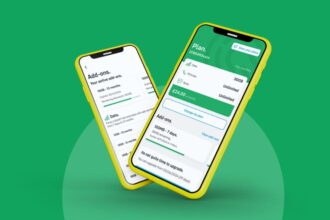

Choosing a mobile plan in the UK has become more complicated as providers continue introducing flexible contracts, affordable SIM deals, and attractive handset bundles. One of the biggest decisions consumers face is whether to choose SIM-only plans or sign up for traditional phone contracts. While both options provide access to calls, texts, and mobile data, they differ significantly in cost, flexibility, and long-term value.
For many users, SIM-only plans offer an affordable way to stay connected while keeping the freedom to upgrade or switch providers whenever better deals become available. On the other hand, phone contracts remain appealing to customers who want the latest smartphones without paying the full upfront cost. Understanding the differences between these options is essential for finding the plan that best matches your budget, lifestyle, and usage habits. This guide compares both choices in detail to help UK consumers make an informed decision.
Understanding SIM-Only Plans
A SIM-only plans package provides a SIM card-or increasingly an eSIM-with a monthly allowance of calls, texts, and mobile data, but it does not include a new smartphone. Since you’re only paying for network services, monthly costs are generally much lower than bundled handset contracts.
SIM-only options have become increasingly popular across the UK because they offer greater flexibility and lower long-term costs. Customers who already own an unlocked phone can simply insert the new SIM or activate an eSIM and begin using their service immediately.
Typical features include:
- Flexible monthly or 12-month agreements.
- Lower monthly payments.
- Unlimited calls and texts on many plans.
- Access to 4G and 5G networks.
- eSIM compatibility on supported devices.
- Easy provider switching.
For users happy with their existing handset, this option often provides the best overall value.
What Are Phone Contracts?
Traditional phone contracts combine a mobile service plan with the cost of a new smartphone. Instead of paying hundreds of pounds upfront for a flagship device, customers spread the cost across monthly payments over 24 to 36 months.
This approach makes premium smartphones more accessible but generally increases the total amount paid over the life of the agreement.
Most contract plans include:
- A brand-new smartphone.
- Monthly calls and texts.
- Data allowance.
- Warranty support.
- Upgrade options.
- Flexible payment structures.
For users who regularly upgrade to the newest devices, phone contracts can still be an attractive option despite their higher monthly cost.
Cost Comparison: Which Option Saves More?
One of the strongest advantages of SIM-only plans is affordability.
Since you’re paying only for network access, monthly charges are usually much lower than equivalent phone contracts. If you already own a capable smartphone, choosing a SIM-only plan can save hundreds of pounds over a typical two-year period.
Phone contracts, however, include the cost of the handset, meaning your monthly bill covers both the device and mobile service. While this spreads the expense over time, it often results in a higher total cost compared with purchasing a phone outright and pairing it with a SIM-only deal.
When comparing costs, consider:
- Monthly payment.
- Total contract cost.
- Upfront handset price.
- Upgrade frequency.
- Early termination charges.
Calculating the overall cost rather than focusing solely on monthly payments provides a more accurate picture of value.
Mobile Plans Comparison: Flexibility Matters
A proper mobile plans comparison should go beyond pricing.
SIM-only deals often offer rolling monthly agreements, allowing customers to change providers if they find better coverage or lower prices. This flexibility is especially valuable in a competitive UK mobile market.
By contrast, many phone contracts require long-term commitments. Leaving early may involve cancellation fees or outstanding handset payments.
If flexibility is a priority, SIM-only plans usually provide the greatest freedom.
Unlimited Data and Modern Connectivity
Many providers now offer unlimited data options across both SIM-only and handset contracts.
Unlimited plans are ideal for users who regularly stream videos, attend virtual meetings, play online games, or use their phones as mobile hotspots. However, users with lighter data requirements may save money by choosing smaller allowances.
Modern plans also increasingly support:
- 5G connectivity.
- Wi-Fi calling.
- Visual voicemail.
- International roaming options.
- eSIM activation.
Choosing only the features you genuinely need helps reduce unnecessary spending.
eSIM and the Future of Mobile Plans
The growing adoption of eSIM technology is changing how customers activate and manage mobile services.
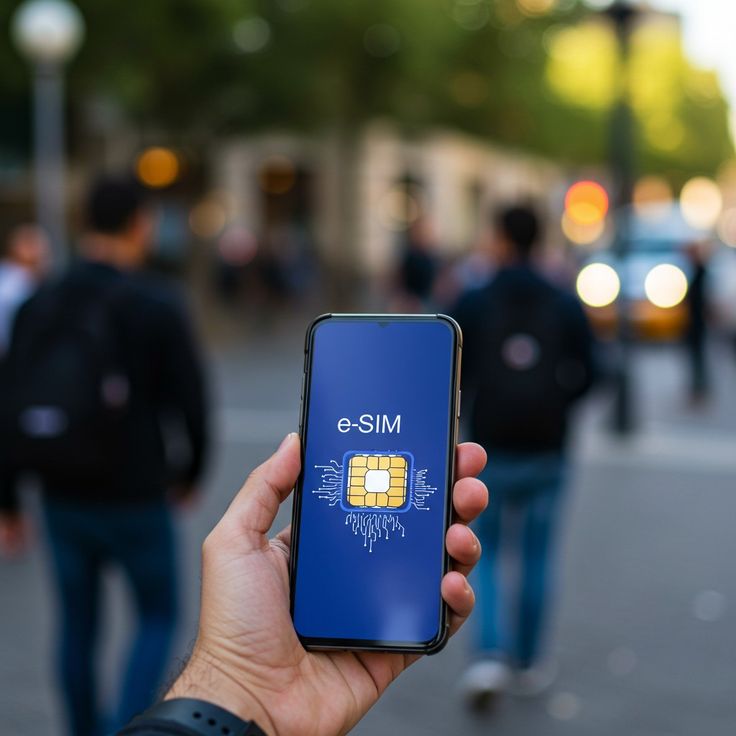
Instead of inserting a physical SIM card, users simply download their mobile profile digitally. This simplifies switching providers and supports dual-SIM functionality on compatible smartphones.
Benefits of eSIM include:
- Faster activation.
- Easier network switching.
- Dual-number support.
- Reduced plastic waste.
- Convenient international travel.
As more UK carriers support eSIM, its popularity is expected to continue increasing.
5G Plans and Network Performance
Choosing between providers isn’t just about price-it also depends on network quality.
Many 5G plans are now available across the UK, offering significantly faster download speeds, lower latency, and improved reliability compared with older networks. Whether selecting SIM-only deals or contract phones, checking 5G coverage in your area remains essential.
Factors worth evaluating include:
- Network coverage.
- Average download speeds.
- Indoor reception.
- Rural availability.
- Customer service reputation.
A slightly more expensive plan may provide better overall value if it delivers stronger network performance.
Budget Mobile Plans vs Premium Contracts
Not every customer needs premium unlimited plans.
Many budget mobile plans now include generous data allowances, unlimited calls, and flexible terms that satisfy everyday users at very competitive prices.
Premium contracts may be worthwhile if you:
- Want the latest flagship smartphone.
- Prefer spreading handset costs.
- Upgrade devices frequently.
- Need premium support services.
Budget-conscious users who keep their phones for several years generally benefit more from SIM-only plans.
Data Rollover Adds Extra Value
Some UK providers now include data rollover, allowing unused monthly data to carry forward into future billing periods.
This feature is particularly valuable for customers whose data usage varies from month to month. Instead of losing unused allowances, they remain available when needed later.
Combined with affordable SIM-only pricing, data rollover can significantly improve long-term value.
How to Choose the Right Plan
Before selecting a mobile package, assess your personal usage habits and financial priorities.
Consider:
- Do you already own a reliable smartphone?
- How often do you upgrade?
- How much mobile data do you use?
- Is contract flexibility important?
- Does your area have strong 5G coverage?
- Would data rollover benefit you?
Answering these questions helps narrow your options and ensures you choose the plan that best fits your lifestyle.
Frequently Asked Questions (FAQs)
1. What are SIM-only plans?
SIM-only plans provide calls, texts, and mobile data without including a smartphone. They are generally more affordable than bundled handset contracts.
2. Are SIM-only plans cheaper than phone contracts?
In most cases, yes. Since SIM-only plans don’t include the cost of a handset, monthly payments are typically lower than traditional phone contracts.
3. What is the advantage of eSIM?
eSIM allows users to activate mobile service digitally without inserting a physical SIM card, making switching networks faster and more convenient.
4. Are unlimited data plans worth it?
Unlimited data plans are ideal for heavy users who frequently stream content, work remotely, or use mobile hotspots. Lighter users may save money with smaller data allowances.
5. What is data rollover?
Data rollover allows unused monthly mobile data to carry over into the next billing period instead of expiring immediately.
6. Which offers better value: SIM-only plans or phone contracts?
For users who already own a modern smartphone, SIM-only plans usually provide better long-term value due to lower monthly costs and greater flexibility. Phone contracts remain suitable for those who want a new handset without paying the full purchase price upfront.
Conclusion
For many UK consumers, SIM-only plans represent the smartest balance between affordability, flexibility, and long-term savings. If your current smartphone still performs well, pairing it with a competitive SIM-only deal can significantly reduce your monthly expenses while providing access to modern features such as 5G plans, eSIM, unlimited data, and even data rollover.
However, phone contracts continue to offer value for customers who regularly upgrade devices or prefer spreading handset costs across manageable monthly payments. Before making a decision, compare pricing, network coverage, contract terms, and included features through a detailed mobile plans comparison. Taking time to evaluate your needs today can help you save money while enjoying reliable mobile connectivity for years to come.