Learning how to choose a drill can save you money, time, and frustration when tackling DIY tasks around the home. Whether you’re assembling furniture, hanging shelves, drilling into masonry, or working on a larger renovation, the right drill should match the materials, workload, and level of precision your projects require. With options ranging from cordless drill drivers and combi drills to impact and SDS drills, understanding the differences is the first step toward making a confident purchase.
For homeowners and DIY enthusiasts in the UK and elsewhere, a good drill buying guide should focus on more than power alone. Battery capacity, chuck type, torque, speed settings, ergonomics, and accessories can all influence how useful a drill will be. The best drill for DIY is ultimately the one that handles your most common projects without paying for capabilities you rarely need.
How to Choose a Drill Based on Your Projects
Before comparing brands or specifications, think about what you actually plan to do with the tool. A drill used occasionally for putting up picture frames has very different requirements from one used for decking, furniture construction, or home renovation.
If most of your projects involve wood, plastic, or light metal, a standard drill driver may be enough. If you’re regularly drilling into brick or concrete, a combi drill or SDS drill could be more appropriate.
Ask yourself:
- What materials will I drill?
- How frequently will I use the drill?
- Do I need to drive screws as well as drill holes?
- Will I work in areas without convenient power outlets?
- Do I need to drill masonry?
- How much weight am I comfortable handling?
Answering these questions first makes the rest of your drill buying guide much easier.

Understand the Main Power Drill Types
One of the most important parts of knowing how to choose a drill is understanding what each type is designed to do. Although drills can look similar, their mechanisms and intended applications can be quite different.
Drill Driver
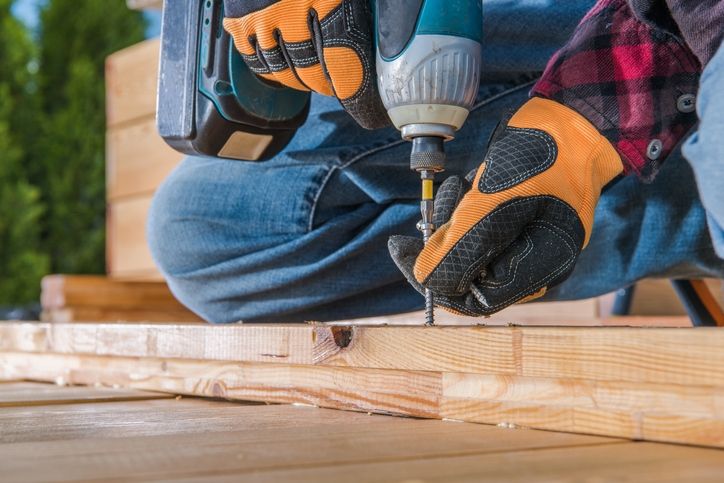
A drill driver is the most versatile choice for everyday DIY. It can drill holes in materials such as wood and metal while also driving screws using adjustable torque settings.
For furniture assembly, shelving, cabinets, basic repairs, and general home improvement, a drill driver is often an excellent starting point.
Its relatively simple design also makes it easier for beginners to control.
Combi Drill
A combi drill combines standard drilling and screwdriving with hammer action. The hammer function helps when drilling into materials such as brick and some types of masonry.
For homeowners who want one tool capable of handling a broad range of household projects, a combi drill can be a practical compromise.
It may be particularly useful if your DIY projects regularly switch between timber, metal, and masonry.
Impact Drill
An impact drill is designed to deliver additional rotational force, making it useful for demanding screwdriving and fastening tasks. It can be especially effective when working with larger screws or tougher materials.
However, an impact drill isn’t necessarily the first tool a beginner needs. If your projects are mainly furniture assembly and simple household repairs, a standard drill driver may offer better versatility.
SDS Drill
An SDS drill is intended for heavier-duty masonry and concrete work. It uses a specialized chuck system and is generally designed for tasks where a conventional drill may struggle.
If you’re regularly drilling into concrete walls, installing anchors, or carrying out substantial renovation work, an SDS drill may be worth considering.
For occasional household drilling, however, it can be excessive.
Choose the Right Drill Voltage
Voltage is one of the specifications you’ll frequently see when comparing cordless drills. In general, higher-voltage tools can offer greater power, but voltage shouldn’t be treated as a standalone measure of performance.
For everyday DIY, a lower-voltage cordless drill may be perfectly capable. More demanding work can justify a higher-voltage model, particularly when drilling harder materials or using larger accessories.
The right choice depends on the balance between power, size, weight, and runtime.
A Simple Voltage Guide
- 12V: Compact and lightweight for light-duty DIY.
- 18V: A versatile choice for many household and renovation tasks.
- 20V: Common in some markets and comparable to the higher-performance cordless category.
- Higher voltage: Generally more appropriate for demanding professional applications.
Specifications vary between manufacturers, so compare the complete tool rather than choosing purely by voltage.
Pay Attention to the Drill Battery
If you’re choosing a cordless drill, the drill battery deserves as much attention as the tool itself.
Battery capacity is commonly expressed in amp-hours (Ah). A higher Ah rating generally means greater potential runtime, although actual performance depends on the workload, battery technology, and tool design.
A larger battery can also increase the weight of the drill.
For occasional DIY, a compact battery may provide a better balance. If you’re spending several hours working continuously, having a higher-capacity battery or a spare battery can be more convenient.
Check Torque and Speed Settings
Torque determines how much rotational force a drill can apply. Adjustable torque settings are especially useful when driving screws because they help reduce the risk of over-tightening or damaging materials.
Speed control is also important. Lower speeds provide greater control for tasks such as screwdriving, while higher speeds can be useful for certain drilling applications.
A versatile drill should ideally provide multiple speed and torque settings rather than operating at a single fixed speed.
Look at the Chuck Type
The chuck holds your drill bits and accessories. Modern cordless drills commonly use keyless chucks, which allow you to change bits without a separate chuck key.
Chuck size also matters because it can affect the range of accessories the drill can accept.
For general DIY, a common chuck size can accommodate a useful selection of drill bits and screwdriver accessories.
When considering how to choose a drill, don’t overlook this seemingly small specification. A compatible chuck makes switching between different tasks much easier.
Choose a Drill That Feels Comfortable
Specifications don’t tell you everything. If a drill is too heavy, poorly balanced, or uncomfortable to grip, you’ll be less likely to use it effectively.
Try to consider the tool’s overall design, especially if you’re buying it for extended DIY sessions.
Look for:
- Comfortable grip.
- Balanced weight distribution.
- Easy-to-reach controls.
- Clearly visible speed settings.
- Simple forward/reverse switching.
- Adequate LED work lighting.
Compactness can be particularly valuable when drilling inside cabinets, above your head, or in other restricted spaces.
Select the Right Drill Bits and Accessories
Even the best drill for DIY won’t perform well with unsuitable accessories. Different materials require different drill bits, so your accessory selection should match the work you’re planning.
For example, wood, masonry, and metal require different bit designs. Screwdriving also requires the appropriate driver bits for the fasteners you’re using.
A useful starter collection might include:
- Wood drill bits.
- Masonry bits.
- Metal drill bits.
- Phillips and Pozidriv screwdriver bits.
- Torx bits.
- Bit extensions.
- A magnetic bit holder.
Keep accessories organized so you can quickly find the correct bit when starting a project.
When Should You Buy a Cordless Combi Drill?
For many homeowners, the cordless combi drill occupies a useful middle ground. It provides screwdriving, standard drilling, and hammer drilling in one tool.
It’s particularly suitable if your projects regularly include:
- Furniture assembly.
- Wood drilling.
- Metal drilling.
- Shelf installation.
- Light masonry work.
- General home maintenance.
However, if you only work with wood and screws, you may not need the additional hammer function. Conversely, if you’re drilling concrete regularly, an SDS drill may be the more suitable option.
How to Choose a Drill Without Overspending
A common mistake is buying the most powerful drill simply because it appears to offer better value. Extra power doesn’t necessarily make a tool better for your particular projects.
Instead, create a shortlist based on your actual needs.
Use This Buying Checklist
For occasional DIY: Look for a compact cordless drill driver with adjustable torque.
For general home improvement: Consider an 18V-class cordless combi drill with multiple speed settings.
For demanding screwdriving: Consider an impact drill alongside a standard drill.
For heavy masonry: Look at an SDS drill designed for the required application.
For frequent professional work: Prioritize durability, battery platform, ergonomics, and service support.
This approach helps you spend money on useful capabilities rather than specifications you’ll rarely use.
Frequently Asked Questions
1. What type of drill is best for DIY projects?
For general household DIY, a cordless drill driver or combi drill is often the most versatile choice. A drill driver works well for wood, metal, and screwdriving, while a combi drill adds hammer action for light masonry.
2. Is an 18V drill powerful enough for home projects?
For many household and DIY applications, an 18V-class cordless drill provides a useful balance of power, portability, and battery life. The appropriate specification still depends on the materials and workload.
3. What is the difference between a drill driver and a combi drill?
A drill driver is primarily designed for drilling and screwdriving. A combi drill adds a hammer-drilling function, making it more suitable for occasional masonry work.
4. When do I need an SDS drill?
An SDS drill is generally appropriate for heavier masonry and concrete applications. If you’re mainly assembling furniture or drilling into timber, it is usually more tool than you need.
5. Is a cordless drill better than a corded drill?
Neither is universally better. Cordless drills offer portability and convenience, while corded models provide continuous power without battery charging. For general home DIY, cordless models are often more convenient.
Conclusion
Knowing how to choose a drill becomes much easier when you start with the work rather than the specifications. A compact drill driver can be ideal for everyday repairs, while a cordless combi drill offers broader versatility for homeowners handling wood, metal, and occasional masonry. More specialized projects may justify an impact drill or SDS drill.
Before buying, consider your materials, workload, required power, battery needs, comfort, and accessory compatibility. Don’t automatically choose the most powerful model; choose the tool that gives you the capabilities you will actually use.
For DIY enthusiasts in the UK and beyond, a carefully selected drill can become one of the most useful home improvement tools in your collection.
Find the right drill for your projects, compare your options, and equip your workshop with a tool that makes your next DIY job easier, faster, and more precise.