
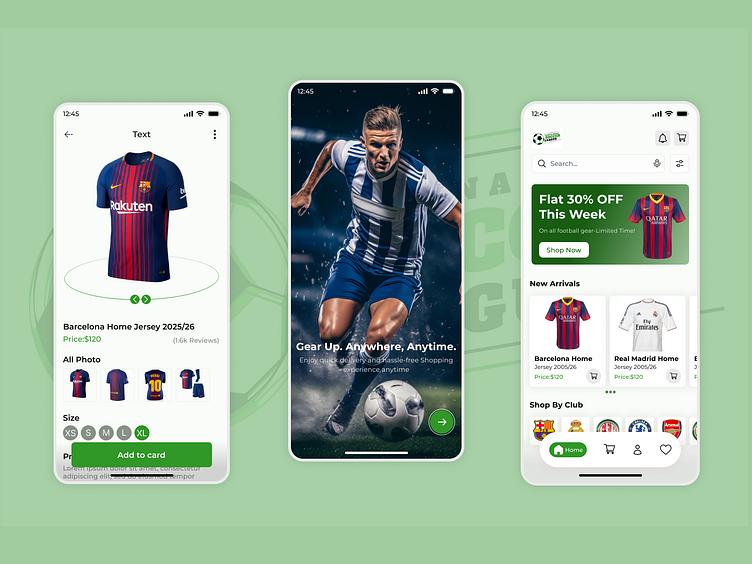
Football is no longer just a sport; it is an omnipresent cultural and commercial force. For previous generations, fandom was largely defined by sitting down for 90 minutes on a Saturday afternoon and perhaps buying a scarf or a replica shirt once a season. For Generation Z, however, football has transformed into a sprawling, 24/7 shopping ecosystem.
This transformation isn’t happening on traditional television broadcasts alone. It is being driven by viral TikTok clips, the astronomical rise of player-influencers, a deeply intertwined gaming culture, and the spectacle of global tournaments like the FIFA World Cup and the newly expanded FIFA Club World Cup. Today, the “beautiful game” dictates what young consumers wear, play, eat, and buy. Brands that understand how this demographic interacts with the sport are tapping into one of the most lucrative and highly engaged retail engines in the modern economy.
Here is a breakdown of how football became Gen Z’s ultimate shopping engine, and the brands best positioned to win in this evolving space.
1. Jerseys Are Fashion, Not Just Fan Gear
In the past, wearing a football jersey outside of a stadium or a pub was often viewed as a fashion faux pas. Today, it is the height of streetwear fashion. Driven by the viral “Blokecore” aesthetic, and its feminine counterpart, “Blokette”, Gen Z has repurposed the football shirt into a highly versatile wardrobe staple.
What makes this trend entirely unique to this generation is the detachment from traditional fandom. A young shopper in New York, Tokyo, or London might wear a vintage 1994 Brazil jersey or a neon-pink Inter Miami kit simply because it looks good, without ever having watched a full match of either team.
Key drivers in this space include:
- Retro Jerseys: Nostalgia plays a massive role, with young consumers hunting for classic ’90s designs featuring oversized collars, loud geometric patterns, and historic sponsor logos.
- Limited-Edition Drops: Top-tier clubs now collaborate directly with streetwear labels and luxury design houses to create hype-driven, limited-run kits that sell out in minutes.
- Vintage Football Shirts: Second-hand curation has become a massive business, turning old kits from forgotten seasons into high-value collector’s items.
- Streetwear Collaborations: The blending of high fashion, skate culture, and football means jerseys are frequently styled with baggy jeans, blazers, maxi skirts, and luxury accessories.
Brands Winning in This Space:
Major apparel retailers like Fanatics and Decathlon capture the massive wave of accessible replica gear. However, the true cultural cachet is found on streetwear marketplaces like StockX and Grailed, where vintage and limited-edition collaborations are traded like commodities. Heavyweight sportswear brands are also thriving by merging their athletic and lifestyle divisions, seamlessly turning matchday apparel into runway-ready fashion.
2. Football Boots Influence Sneaker Purchases
Just as basketball shoes defined global sneaker culture in the 1980s and ’90s, football footwear is now dictating global street style for Gen Z. The influence of international superstars extends far beyond the pitch; when a marquee player debuts a new boot, the ripple effect is felt across the entire footwear industry.
Major performance franchises like the Nike Mercurial, Adidas Predator, and Puma Future drive massive sales for amateur players looking to emulate their heroes. But the influence doesn’t stop at the touchline. The design language of modern football boots, sleek, aerodynamic, and aggressively styled, increasingly bleeds into lifestyle sneakers.
Furthermore, indoor football shoes have entirely transcended the sport to become the defining everyday sneakers of the decade. The ubiquitous presence of terrace-culture sneakers in everyday Gen Z fashion is a direct result of football’s aesthetic merging with mainstream street style.
Brands Winning in This Space:
Adidas is arguably the most dominant force in this specific crossover, riding the massive cultural wave of the Samba and Gazelle silhouettes. However, Nike and Puma continue to command massive lifestyle loyalty, while brands that offer premium footwear care, customized laces, and athletic-inspired streetwear are also capturing significant wallet share by catering to the sneakerhead culture that football has organically incubated.
3. Gaming Is a Major Football Spending Category
To understand Gen Z’s relationship with football, one must understand their relationship with video games. For a massive portion of this demographic, their primary entry point to the sport isn’t watching a live professional match, it is picking up a console controller.
The EA Sports FC franchise (formerly FIFA) is a defining cultural touchstone. The game dictates how young fans learn the rules, discover new players, and even understand complex tactical formations. This digital fandom translates into very real, very high-volume consumer spending.
Where the money is going:
- Annual Console Releases: The yearly launch of the flagship football game remains a massive retail event that dictates the gaming calendar.
- Console Purchases: Football gaming consistently drives high adoption rates for the latest hardware globally.
- Gaming Accessories: High-end controllers, ergonomic gaming chairs, and premium headsets are essential investments for the digital matchday experience.
- In-Game Purchases: Microtransactions, such as buying digital packs to build fantasy squads in “Ultimate Team” modes, account for billions of dollars in annual spending, proving that digital ownership is just as important as physical merchandise.
Brands Winning in This Space:
EA Sports stands at the absolute center of this ecosystem, but the halo effect directly benefits gaming hardware companies like Logitech and Razer, consumer electronics giants like Sony and Microsoft, and high-speed telecom providers offering the ultra-fast, low-latency internet connections required for competitive online play.
4. Creators Matter More Than Traditional Ads
Gen Z is notoriously resistant to traditional advertising. Slapping a brand logo on a billboard or running a standard 30-second television spot during halftime simply does not yield the same return on investment it once did. Instead, product recommendations spread through decentralized, highly trusted creator networks.
The ecosystem of influence includes:
- TikTok Football Creators: Short-form analysts who break down transfer rumors, rate new kit releases, or explain the history behind a club badge.
- YouTube Football Channels: High-production groups recreating famous goals, testing the latest boots in real-world scenarios, or hosting massive amateur tournaments that rival professional broadcasts in viewership.
- Instagram Football Influencers: Curating the aesthetic side of the sport, blending the Blokecore fashion movement with aspirational lifestyle content.
When a prominent TikToker positively reviews a new pair of boots, highlights an obscure retro jersey, or recommends a specific sports drink, those items routinely sell out within hours. The creators are the new storefronts.
Brands Winning in This Space:
Brands that excel here are those that seamlessly integrate into creator content. Native social platforms like TikTok and creator-focused marketing agencies are the gatekeepers. Brands that sponsor grassroots creator tournaments or seed limited-edition gear directly to influencers are seeing exponentially higher engagement than those relying solely on traditional broadcast sponsorships.
5. Matchday Spending Happens Online
The 90 minutes of a live match are no longer just a passive viewing experience; they are a catalyst for instantaneous digital commerce. Gen Z fans treat major fixtures, whether it is the Champions League final, a high-stakes FIFA Club World Cup clash, or an international rivalry, as event television, triggering a flurry of online spending. The match is the anchor, but the second screen is the checkout counter.
The modern matchday receipt includes:
- Streaming Subscriptions: With broadcast rights increasingly fragmented, fans are constantly signing up for, or managing, digital platforms to ensure they don’t miss the action.
- Food Delivery: Quick-commerce and delivery apps see massive, predictable spikes right before kickoff and during the halftime interval.
- Merchandise: Live reactions to a stunning goal often translate immediately to impulse jersey purchases.
- Fantasy Sports and Prediction Markets: Engaging with the match by managing fantasy squads or participating in social prediction pools keeps fans locked into the ecosystem long after the whistle blows.
Brands Winning in This Space:
Streaming giants like DAZN and the Disney bundle (which includes Hulu and ESPN+) are perfectly positioned as the digital gateways to the sport. On the logistics side, ticketing platforms like Ticketmaster capture the massive demand for live attendance, while delivery platforms have become synonymous with the at-home viewing ritual.
6. The Rise of Football Lifestyle Brands
Finally, the realization that football is a 24/7 lifestyle has opened the door for non-endemic brands to successfully integrate themselves into the culture. Gen Z fans want to emulate the off-pitch lives of their favorite athletes just as much as their on-pitch skills. The tunnel walk has become just as scrutinized as the pre-match warmup.
Young fans watch players stepping off team buses wearing premium headphones or sporting luxury smartwatches. They see the meticulously branded travel accessories used when teams fly internationally, and they notice the premium accommodations favored by the sport’s elite, creating massive aspirational value for global hospitality brands.
Furthermore, as massive tournaments bring global football to the United States on an unprecedented scale, unique cultural crossovers are emerging. The American tradition of pre-match tailgating is blending with global soccer culture. This opens unexpected avenues for outdoor and experiential retail giants to become part of the pre-match ritual, proving that the football aesthetic is highly adaptable. Energy drinks, specialized hydration formulas, and premium streetwear all fall under this massive umbrella of “football lifestyle.”
Brands Winning in This Space:
Aspirational brands dominate this sector. Marriott Bonvoy brilliantly leverages the travel and hospitality aspect of global sports tourism. Tech and audio brands like Beats by Dre or Apple own the pre-match focus aesthetic. Uniquely North American brands like Bass Pro Shops and Cabela’s are finding fascinating entry points by owning the outdoor, experiential, and tailgating culture as the sport’s epicenter shifts stateside for upcoming global tournaments.
Conclusion
For Generation Z, football has transcended its status as a mere sport; it is the ultimate convergence of fashion, gaming, digital culture, and commerce. It is a highly fluid, highly social engine where a viral highlight can drive sneaker sales, and a video game can dictate real-world fashion trends for an entire season.
Brands that recognize this fundamental shift, moving away from passive, logo-slapping sponsorships and toward active, culturally relevant integrations, are the ones capturing the loyalty and the wallets of the next generation of global consumers. In the modern era of sports marketing, if you are only focused on what happens during the 90 minutes of gameplay, you are missing the biggest commercial opportunities of the week.
Frequently Asked Questions (FAQs)
Q: What exactly is “Blokecore” and “Blokette”?
A: Blokecore is a fashion trend popularized on TikTok that blends vintage or retro football jerseys with everyday streetwear, such as baggy jeans, classic sneakers, and casual jackets. “Blokette” is the feminine evolution of this trend, mixing oversized football jerseys with traditionally feminine pieces like ribbons, skirts, and ballet flats. Both take the aesthetic of 1990s football culture and update it for a modern Gen Z audience.
Q: Do Gen Z fans spend more on gaming or physical merchandise?
A: Both categories are massive, but gaming often serves as the entry point. A Gen Z fan is highly likely to spend money annually on the latest EA Sports FC game and subsequent in-game microtransactions. This digital engagement frequently translates into real-world spending on physical merchandise, meaning the two categories heavily feed into one another.
Q: Why are influencers more effective than traditional TV ads for this demographic?
A: Gen Z values authenticity and niche expertise. They are more likely to trust a product recommendation from a creator whose content they watch daily than a polished, generic commercial. Creators also exist natively on the platforms (TikTok, YouTube, Instagram) where Gen Z spends the vast majority of their media consumption time, engaging directly in the comment sections.
Q: How do brands that have nothing to do with sports fit into this ecosystem?
A: Because football is viewed as a lifestyle rather than just a 90-minute game, non-endemic brands can tap into the culture by aligning with the players’ off-pitch habits. Travel, hospitality, fashion, technology, and food delivery brands successfully integrate by enhancing the fan’s matchday experience or emulating the aspirational lifestyle of top athletes.
Q: How is the expansion of football in the US changing the commercial landscape?
A: With the US hosting major events like the expanded FIFA Club World Cup and the 2026 FIFA World Cup, there is a massive opportunity for domestic brands to merge American sports traditions (like tailgating) with global soccer culture. This opens the door for uniquely North American outdoor retailers, domestic streaming services, and lifestyle brands to gain massive global visibility.