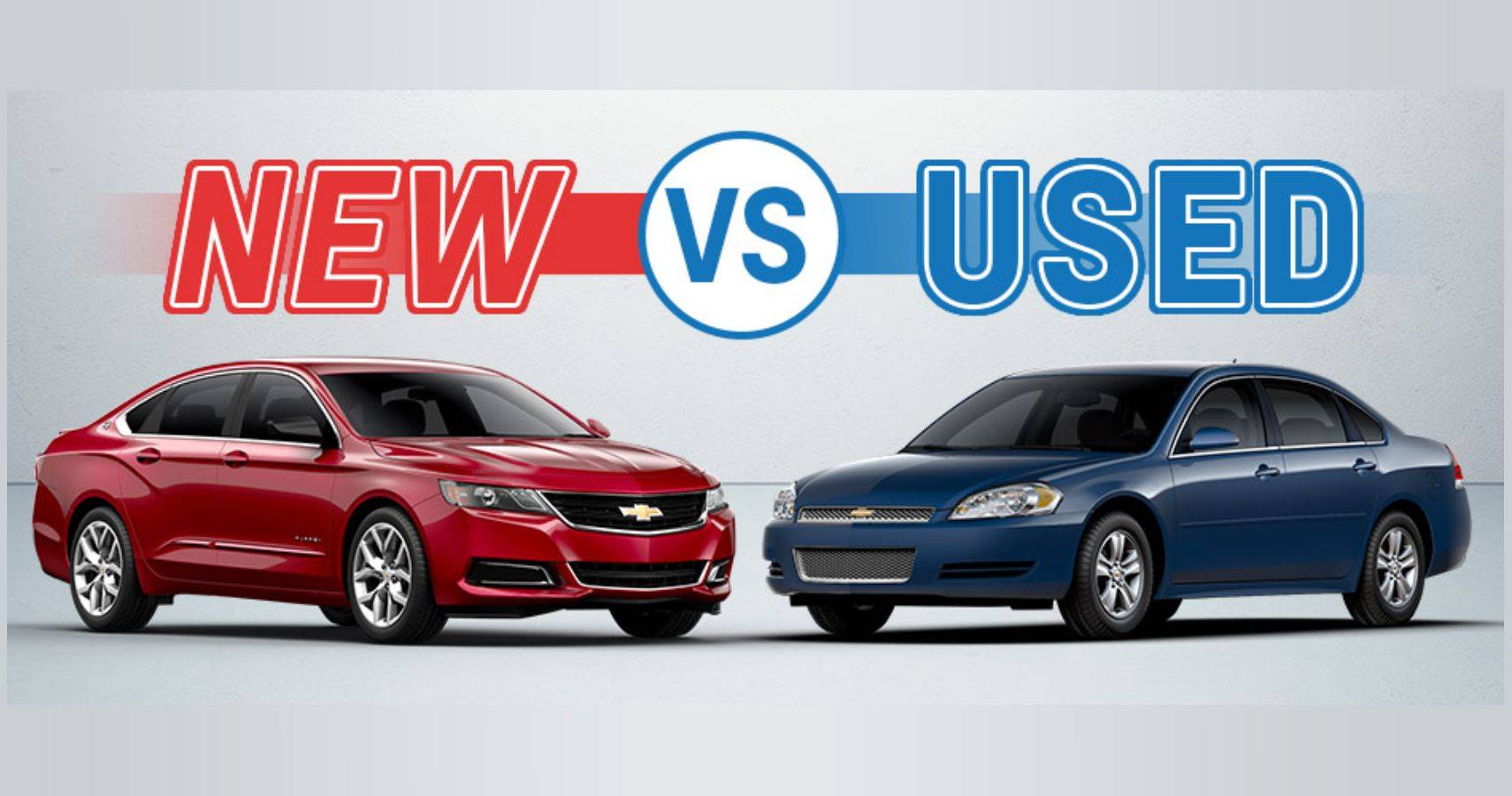
Introduction to the debate of second hand vs. first hand cars
Navigating the car market can feel like walking through a maze. With so many options available, potential buyers often find themselves at a crossroads: should you invest in a second hand or first hand car? Each choice comes with its own advantages and pitfalls. Whether you’re drawn to the allure of brand-new models or tempted by the affordability of pre-owned vehicles, understanding your needs is key to making an informed decision. Let’s dive into this debate and explore what factors you should consider before driving off in your next set of wheels.
Factors to consider when buying a car:
When buying a car, several factors demand your attention.
First and foremost is your budget. Understand what you can realistically afford, including insurance and maintenance costs.
Next, consider the car’s history and condition. For second-hand vehicles, check for any accidents or repairs that might affect performance. A reliable vehicle inspection can provide valuable insights.
Don’t overlook depreciation value either. New cars lose their worth quickly in the first few years while second-hand models tend to retain their value better over time.
Each factor plays a crucial role in making an informed decision about whether to opt for a second hand vs first hand car. Prioritize them wisely based on your specific needs and circumstances.
A. Budget
When it comes to choosing between second hand and first hand cars, budget plays a crucial role. Your financial situation will largely dictate which option suits you best.
First-hand cars typically come with a higher price tag. Buying new means you’re investing in the latest technology and features. However, this can strain your wallet significantly.
On the other side, second-hand cars offer a more affordable alternative. You can often find quality vehicles at a fraction of their original cost. This allows for more flexibility in your overall budget.
Remember to consider additional costs too—insurance might be lower for used cars, while maintenance could vary widely depending on age and condition.
Knowing how much you’re willing to spend helps narrow down your choices effectively.
B. Car history and condition
When buying a car, understanding its history and condition is crucial. This knowledge can save you from unexpected headaches down the road.
Start by checking the vehicle’s maintenance records. A well-documented service history suggests that the previous owner took good care of it. Look for regular oil changes, tire rotations, and any major repairs.
Don’t forget to run a vehicle history report. Services like Carfax or AutoCheck can provide insights into accidents, title issues, or flood damage. These details are vital in assessing how much life is left in your potential purchase.
Additionally, consider getting a professional inspection before sealing the deal. Even if everything appears fine on paper, an expert’s eye can catch hidden problems that may not be immediately visible during a casual lookover.
The right information about car history and condition sets the foundation for making an informed decision between second hand vs first hand cars.
C. Depreciation value
Depreciation is a crucial factor when weighing second hand vs first hand cars. The moment a new car leaves the dealership, it begins to lose value. Typically, this drop can be as steep as 20% in the first year alone.
With second-hand cars, you often bypass that initial depreciation hit. This means you’re purchasing a vehicle that’s already lost much of its value, offering better resale potential if maintained well.
First-hand vehicles may come with warranties and guarantees but they also carry higher price tags due to their brand-new status. Understanding how each option depreciates helps you make an informed choice.
Consider how long you plan to keep the vehicle and whether it’s worth absorbing those early years of depreciation costs. Balancing your investment against future resale considerations could significantly influence your decision-making process.
Advantages of buying a second hand car:
One of the standout benefits of opting for a second hand car is the lower purchase price. Budget-conscious buyers find this particularly appealing. You can often drive away with a reliable vehicle without emptying your wallet.
Moreover, second hand cars experience less depreciation compared to new ones. New vehicles lose value quickly in their first few years. A pre-owned car allows you to avoid that steep drop and retain more of its worth over time.
Another advantage lies in variety. The market for used vehicles is vast, encompassing a wide range of makes, models, and styles from different years—perfect for those who want something unique or less mainstream.
Buying used often means fewer high-tech features that might not suit every driver’s needs. Simplicity can be refreshing; sometimes all you need is a dependable ride without unnecessary frills.
A. Lower cost
One of the most significant advantages of opting for a second hand car is the lower cost. You can often find vehicles that are just a few years old at a fraction of their original price. This makes it more affordable for many buyers.
With this reduced price tag, you can either save money or allocate those funds toward other essential expenses like insurance, maintenance, or upgrades.
Moreover, buying used means avoiding hefty dealership markups typically associated with new cars. It allows you to explore models and trims that might be out of your budget if purchased brand new.
You’ll also find that financing options tend to be more favorable on pre-owned vehicles due to smaller loan amounts. This flexibility opens up a world of possibilities without straining your finances too much.
B. Less depreciation value
One of the most compelling reasons to consider second hand cars is their depreciation value. New cars lose a significant percentage of their worth as soon as they leave the dealership lot.
This rapid decline can make new car ownership a less than ideal investment. In contrast, used vehicles typically experience slower depreciation after the initial drop-off period.
Buying second hand means you’re stepping into a vehicle that has already weathered this financial hit. This results in better resale value down the line should you choose to sell or trade-in your car later.
Essentially, purchasing a pre-owned vehicle allows buyers to enjoy more bang for their buck while mitigating potential losses from rapid asset devaluation. It’s an attractive option for those mindful of long-term expenses and overall budget management.
Advantages of buying a first hand car:
When you buy a first hand car, one of the biggest perks is the warranty that comes with it. This coverage can save you money on unexpected repairs and give you peace of mind. Knowing that your vehicle has manufacturer support can be invaluable, especially for new drivers or those unfamiliar with car maintenance.
Reliability is another key advantage. Brand-new cars are built to meet strict standards and typically require fewer repairs in their early years. You’re less likely to face breakdowns, giving you more confidence on the road.
Personalization options also stand out when opting for a new vehicle. From choosing colors to selecting features like upgraded sound systems or advanced safety tech, having choices makes the buying experience exciting and tailored to your preferences.
A brand-new ride often includes the latest technology too. Enhanced fuel efficiency, connectivity features, and improved safety ratings make modern vehicles appealing and practical for today’s drivers.
A. Warranty and reliability
When you buy a first-hand car, one of the biggest advantages is the warranty that typically comes with it. This coverage can protect you from unexpected repairs and expenses for several years after your purchase.
A reliable new vehicle often includes complimentary service plans too. Regular maintenance checks ensure your car remains in top condition, adding peace of mind to your driving experience.
New cars also tend to be equipped with the latest technology and safety features. This can enhance both comfort and security while on the road.
With first-hand vehicles, manufacturers stand behind their products. If something goes wrong during the warranty period, they often take care of it without hassle.
This reliability factor makes new cars appealing for those who prefer stress-free ownership right from day one. Investing in a first-hand vehicle means investing in confidence as much as convenience.
B. Personalization options
When you buy a first hand car, the world of customization opens up. You can choose colors, trims, and tech features that fit your personality.
Imagine selecting a sleek metallic paint or high-end interior materials. The choices extend beyond aesthetics to performance enhancements too. Want sport-tuned suspension? It’s often available straight from the factory.
Additionally, buying new allows for the latest technology options. From advanced safety systems to state-of-the-art infotainment setups, these features cater to modern drivers’ needs.
You also have access to exclusive editions or packages that may not be offered later on pre-owned models. This means you can drive away in something truly unique—crafted just for you.
Every detail matters when making this significant purchase; personalization makes it all yours from day one.
Tips for buying both types
When it comes to buying a car, whether it’s second hand or first hand, being informed can make all the difference.
For those interested in second-hand cars, always do your homework. Research the model you’re considering and check its reliability ratings. A vehicle history report is essential; it reveals any past accidents or issues that could affect your purchase decision.
If you’re leaning towards a first-hand car, take advantage of test drives to gauge comfort and performance. Compare dealership offers and don’t hesitate to negotiate on price. Familiarize yourself with warranty details as well—knowing what’s covered can save you money in the long run.
No matter which route you choose, consider financing options carefully. Understand your budget limits before stepping into negotiations.
Additionally, don’t rush through the decision-making process. Take your time to weigh the pros and cons of each option based on your personal needs and preferences.
By keeping these tips in mind while navigating through both types of vehicles, you’ll be better positioned to make an informed choice that suits not just your wallet but also your lifestyle ambitions.