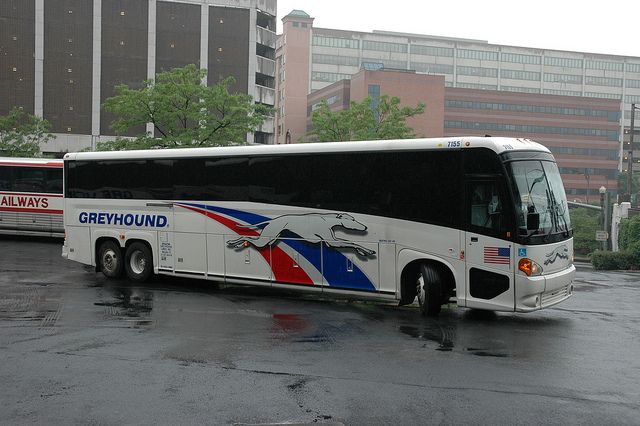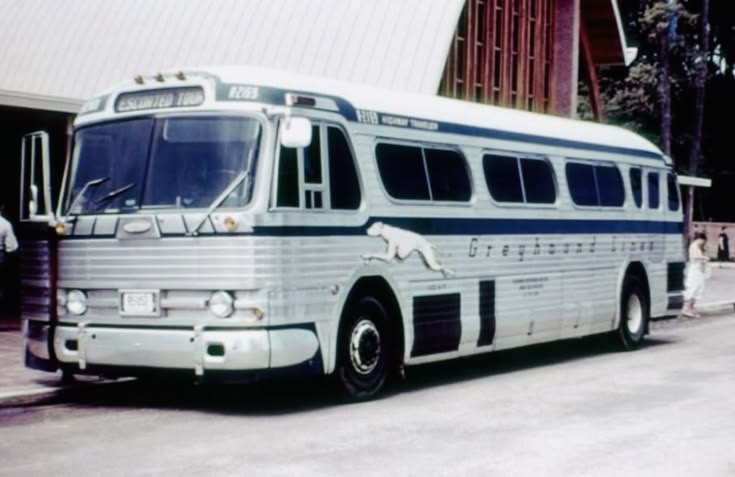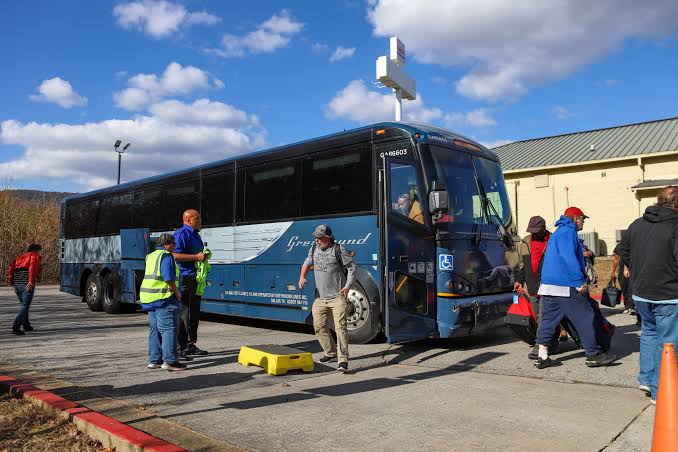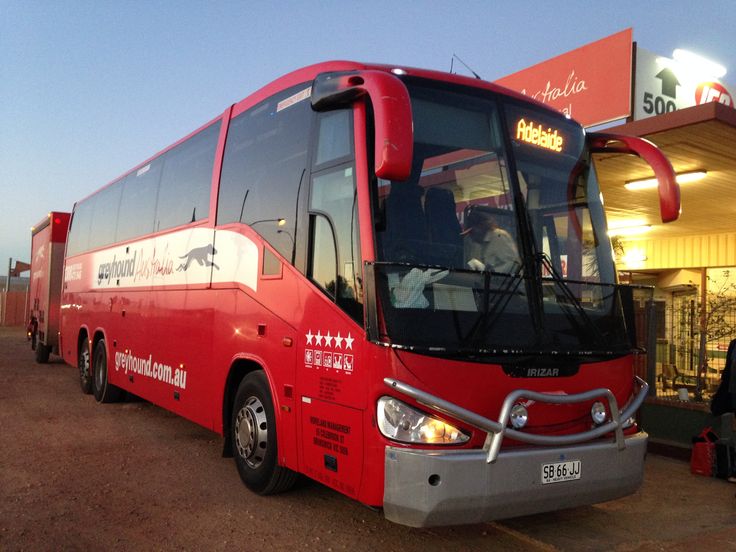
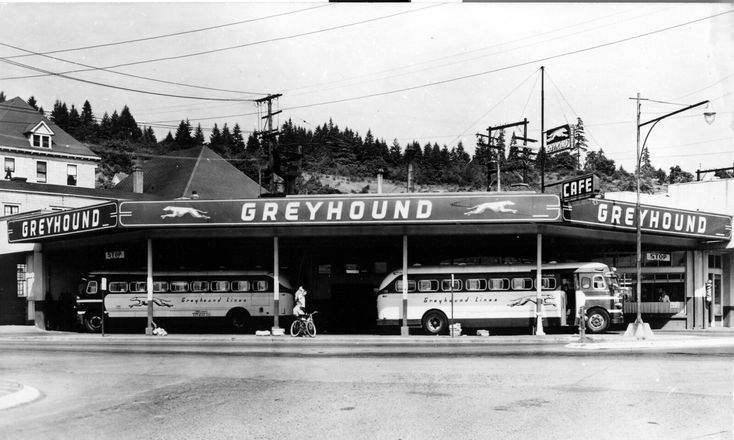
For more than a century, Greyhound has played an important role in shaping intercity bus transportation across North America. What began as a small passenger service in Minnesota eventually developed into one of the most recognizable names in long-distance bus travel. Greyhound bus history reflects the growth of American road transportation, changing passenger needs and the evolution of the travel industry.
From its early beginnings in 1914 to its acquisition by Flix in 2021, Greyhound has experienced significant changes in its operations, technology and transportation network. Understanding this journey offers an interesting look at how a small local service became a major North American travel brand.
Greyhound’s 1914 Origins: A Small Transportation Service
The story of Greyhound began in 1914 when Carl Eric Wickman, a Swedish immigrant living in Hibbing, Minnesota, started transporting local miners between Hibbing and the nearby town of Alice.
Wickman initially worked in the mining industry before trying his hand at selling automobiles. After struggling to sell a seven-passenger Hupmobile, he decided to use the vehicle to transport workers who needed convenient local transportation.
The service charged approximately 15 cents per ride and quickly attracted passengers. This small operation became the foundation of what would eventually develop into Greyhound Lines.
In 1915, Wickman joined forces with Ralph Bogan, another local transportation operator. Their combined business became known as the Mesaba Transportation Company. This partnership helped establish the foundation for further expansion into regional bus services.
Expansion and the Development of the Greyhound Brand
During the 1920s, Greyhound’s transportation history entered an important growth period. Wickman and his business partners began expanding beyond their original Minnesota routes by combining operations and acquiring interests in other bus companies.
In 1924, Wickman partnered with Orville Caesar and others to establish Northland Transportation Company. These business developments helped create a broader network connecting communities across different regions.
A major milestone came in 1929 when the Motor Transit Corporation adopted the Greyhound name. The running greyhound dog also became the company’s recognizable symbol during this period.
The brand’s expansion strategy helped connect smaller regional transportation services into a more extensive intercity network. Instead of serving only individual towns, Greyhound increasingly became associated with longer journeys between major American destinations.
Important Greyhound Bus Developments During the 1930s and 1950s
As highway transportation developed, Greyhound introduced new buses and services designed to improve long-distance passenger travel.
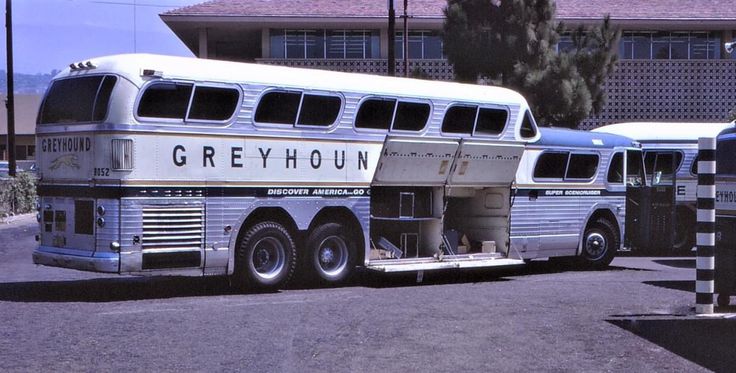
One significant development came in 1936 with the introduction of the Super Coach. It featured an all-metal body and a rear-mounted engine, representing an important step forward in bus design.
During the following decades, Greyhound continued introducing vehicles that became associated with American bus travel.
The Scenicruiser Era
In 1954, Greyhound introduced the Scenicruiser, a distinctive two-level coach designed for long-distance journeys. It offered features such as onboard restrooms and expanded luggage storage, making it an important part of the company’s transportation history.
These developments reflected changing expectations among passengers. Travelers increasingly wanted comfortable seating, practical onboard facilities and convenient connections between cities.
Greyhound also expanded its role in American society during this period. Its buses transported military personnel during World War II and later became associated with important moments in the American civil rights movement, including transportation used by Freedom Riders.
Greyhound’s Role in Modernizing American Intercity Travel
As the American highway network expanded, intercity coach travel became an important transportation option for people traveling between cities and smaller communities.
Greyhound benefited from this development by building connections across different parts of the country. Its network allowed passengers to travel without needing a personal vehicle, offering an alternative to driving or flying.
Over the years, the company introduced different bus models, passenger services and travel options to respond to changing market conditions.
However, the transportation industry also became more competitive. Airlines, private vehicles, rail services and newer bus operators created additional choices for travelers.
Greyhound had to adapt to these changes while maintaining its position as a recognizable name in long-distance transportation.
Ownership Changes and the Flix Acquisition in 2021
One of the most important recent milestones in Greyhound company history occurred in October 2021.
FlixMobility, the company behind FlixBus and FlixTrain, acquired Greyhound Lines from FirstGroup plc. The acquisition brought together Greyhound’s established North American network and transportation experience with Flix’s technology-driven travel platform.
The combination represented a major development for the intercity bus industry. Greyhound had an established presence across the United States, while FlixBus brought experience in operating international bus services and digital booking technology.
The acquisition was intended to strengthen affordable and accessible intercity transportation by combining the capabilities of both businesses.
In July 2022, Flix North America Inc. became responsible for overseeing Greyhound and FlixBus operations across the United States, Canada and Mexico.
Greyhound and FlixBus: Building a Connected North American Network
Following the acquisition, Greyhound and FlixBus continued developing their shared transportation network.
In February 2023, the companies announced the integration of their booking platforms. This allowed customers to search and book journeys across an extended network through either brand’s website or mobile application.
The integration made it easier for travelers to explore connections between different cities and destinations across North America.
Today, Greyhound remains an established travel brand within Flix SE. Its network, combined with FlixBus and independent transportation partners, helps connect major cities and smaller communities.
Passengers can use the companies’ digital platforms to review available routes, compare schedules and plan journeys. Travelers should check the booking details carefully because some services may be operated by different bus partners.
What Greyhound’s History Means for Today’s Travelers
Greyhound’s development from a small Minnesota transportation service into a major North American bus brand demonstrates how intercity travel has changed over time.
Its history highlights several important developments:
- Greater connectivity: Regional routes gradually developed into a wider transportation network.
- Vehicle innovation: New bus designs introduced improvements in passenger comfort and luggage capacity.
- Changing travel expectations: Passengers increasingly expect convenient booking options and better journey information.
- Digital transformation: Integration with Flix technology has expanded how travelers search for and book bus journeys.
- Continued accessibility: Intercity buses remain an alternative for passengers traveling between major cities and smaller communities.
For modern travelers, this history provides context for understanding Greyhound’s place in the North American transportation industry.
Frequently Asked Questions
When did Greyhound begin its operations?
Greyhound traces its origins to 1914, when Carl Eric Wickman began transporting miners between Hibbing and Alice, Minnesota.
Who founded Greyhound?
Carl Eric Wickman, a Swedish immigrant, established the transportation service that eventually developed into Greyhound Lines.
When did Flix acquire Greyhound?
FlixMobility acquired Greyhound Lines from FirstGroup plc on October 21, 2021.
Is Greyhound part of FlixBus?
Greyhound is part of Flix SE, the company behind FlixBus. Both brands operate within a connected North American transportation network.
Final Thoughts
Greyhound bus history is closely connected to the development of American road transportation. From Carl Eric Wickman’s small passenger service in 1914 to the company’s expansion across North America, its journey reflects more than a century of changes in intercity travel.
The acquisition by Flix in 2021 introduced another important chapter, combining Greyhound’s established transportation network with modern travel technology. As the industry continues to evolve, Greyhound remains a recognizable name in North American bus travel.