

Upgrading your daily driver is an exciting milestone. Whether your current runabout is racking up repair bills, your family has outgrown a cramped hatchback, or you simply want modern safety tech and smartphone connectivity, moving into a better vehicle improves your everyday life.
Yet, for budget-conscious drivers, the upgrade process can quickly turn into a financial headache. The temptation to stretch your budget for a slightly newer model year or a premium badge often leads to sticker shock once insurance renewals, road tax, and routine maintenance roll in.
A successful car upgrade does not depend on luck or aggressive dealership haggling. It comes down to running a clear financial audit before browsing online classifieds. By accurately valuing your current car, evaluating realistic out-of-pocket cash, and accounting for the true running costs beyond the windscreen price, you can step into a dependable, higher-spec car while keeping your monthly finances intact.
Step 1: The Upgrade Equation (Calculating Your Real Buying Power)
Most buyers begin their search by setting an arbitrary round number, such as £8,000 or £15,000, without knowing where that capital will come from. A realistic upgrade budget relies on three specific figures:
- Your Current Car’s Net Equity: The realistic market value of your vehicle minus any outstanding finance settlement.
- Dedicated Liquid Savings: Cash you can spend on the purchase without depleting your emergency rainy-day fund.
- Sustainable Monthly Financing (If Applicable): A monthly payment that fits comfortably alongside your existing household expenses.
Establishing Real Equity Over Wishful Thinking
The biggest pitfall in any upgrade plan is overestimating the value of your current car. Sentimental attachment and cherry-picked showroom listings lead many sellers to expect retail prices for private trade-ins.
- Check Instant Car Buying Sites: Platforms like webuyanycar or Motorway give you a realistic wholesale baseline. This represents the immediate cash floor for your vehicle.
- Review Private Listings: Look at AutoTrader or eBay Motors for models matching your exact trim, mileage, and service history. Knock 10% off the asking prices to estimate what buyers actually pay.
- Settle Outstanding Finance: If your existing car is on Personal Contract Purchase (PCP) or Hire Purchase (HP), request an official settlement figure from your lender. Subtract this figure from your car’s valuation. If your car is worth £6,000 and the settlement figure is £4,500, you have £1,500 in positive equity to roll forward. If you owe more than the car is worth, you have negative equity that must be cleared before upgrading.

Combining Your Funding Streams
Your total acquisition budget follows a straightforward structure:
- Cash Purchase Model: Net Equity from Current Car + Cash Savings = Maximum Purchase Price.
- Financed Upgrade Model: Net Equity from Current Car + Cash Deposit = Upfront Down Payment. Combine this with a loan amount that delivers a fixed, comfortable monthly payment over 36 to 48 months.
Step 2: The Iceberg Effect (Factoring in Hidden Ownership Costs)
The sticker price on a car windscreen represents only the tip of the financial iceberg. The most common way buyers blow their budget is by purchasing a vehicle they can afford to buy, but cannot afford to run.
Before shortlisting any model, evaluate the four primary running expenses:
1. Insurance Group Jumps
Vehicle insurance bands range from Group 1 (cheapest) to Group 50 (most expensive). Moving from a 1.0-litre supermini in Group 9 to a compact executive saloon in Group 28 can double or triple your annual premium. Run quote simulations on price comparison websites using the registration plates of prospective cars before attending a viewing.
2. Road Tax (VED) Quirks
Road tax rules in the UK can produce surprising discrepancies depending on registration dates:
- Cars registered before April 1, 2017: Tax is based on CO2 emissions. Many fuel-efficient diesels and small petrol engines pay between £0 and £35 annually.
- Cars registered after April 1, 2017: Most standard petrol and diesel cars pay a flat standard annual rate.
- The Luxury Car Surcharge: Cars with an original list price over £40,000 when brand new carry an expensive additional annual surcharge for five years (from the second to the sixth year of registration). A five-year-old premium German estate might look like a bargain at £14,000, but it could cost you over £600 a year in road tax alone.
3. Fuel Economy in the Real World
Never rely on official laboratory fuel economy figures (NEDC or even WLTP). Check real-world user databases like Honest John’s Real MPG to see what owners actually achieve in city driving and motorway cruising. A drop from 55 mpg to 35 mpg can quietly add £50 to £80 to your monthly fuel bill if you commute daily.
4. Service Intervals and Consumables
Bigger cars come with bigger bills. Replacing four 15-inch tyres on an economy hatchback costs around £240. Replacing low-profile 19-inch run-flat tyres on a sports-trim crossover can exceed £700. Check brake disc costs, timing belt replacement schedules (wet-belt engines require specialized, costly servicing), and automatic gearbox fluid service intervals.
Step 3: Crafting the Sensible Shortlist
Armed with your true running budget, you can bypass depreciating vanity purchases and focus on vehicles that offer a genuine step up in comfort, safety, and reliability without lifestyle inflation.
The Sweet Spot: 4 to 6 Years Old
New cars lose roughly 40% to 50% of their value within the first three years. By targeting vehicles between four and six years old with 35,000 to 60,000 miles, you let the previous owner absorb the steepest depreciation curve. At this stage, modern cars still retain high-strength steel chassis engineering, ISOFIX child seat mounts, autonomous emergency braking, and modern infotainment.
Value-Driven Upgrade Pairings
- The Commuter Upgrade: Swap an ageing entry-level city car for a mid-tier Japanese or Korean hatchback (such as a Toyota Yaris Hybrid, Honda Civic, or Kia Ceed). You gain adaptive cruise control, lane-keep assist, and 60+ mpg efficiency with rock-solid mechanical reliability.
- The Expanding Family Upgrade: Skip fashionable, overpriced mid-sized SUVs that offer cramped interiors. Instead, look at practical estate cars or compact MPVs (such as a Škoda Octavia Estate or Volkswagen Touran). You get superior boot capacity, lower insurance group ratings, and better fuel economy than an equivalent crossover.
- The High-Mileage Cruiser: If your job requires long motorway stints, opt for a well-maintained Euro 6 diesel (such as a Ford Focus 2.0 EcoBlue or BMW 320d with verified service history). These provide relaxed long-distance gearing and compliant ride quality without breaking the bank at the pump.
Step 4: Pre-Purchase Due Diligence
Once you find a car that matches your criteria, protect your budget by running these non-negotiable verification checks:
- Independent Vehicle History Check: Spend £10 to £15 on an HPI or CarVertical report. Confirm the car has never been written off by an insurer (Category S, N, C, or D), has no outstanding finance, and displays no mileage discrepancies.
- Scrutinize the MOT History: Go to the official government MOT history website. Review test advisories over the past three years. Frequent mentions of worn suspension bushes, oil leaks, or brake corrosion reveal whether the previous owner prioritized maintenance or ran the vehicle on a shoestring budget.
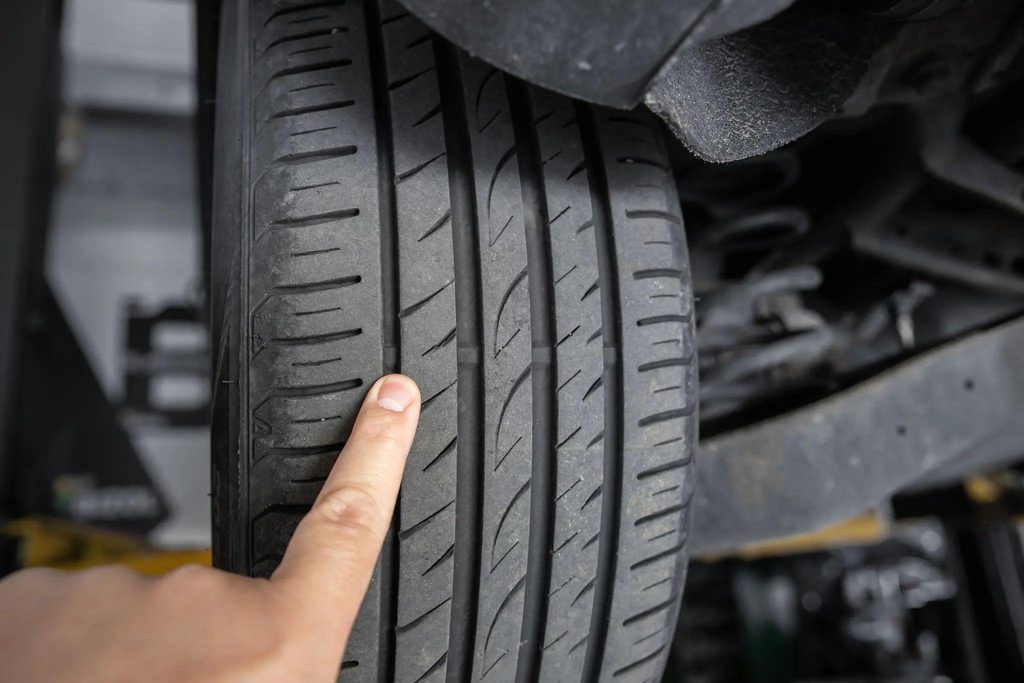
- Check Tyres for Maintenance Clues: If a used car is fitted with four mismatched, budget-brand tyres, chances are the previous owner cut corners on mechanical servicing as well. Premium or matching mid-range tyres usually indicate conscientious ownership.
Frequently Asked Questions
Is it better to sell my current car privately or trade it in at the dealership?
Selling privately yields roughly 10% to 15% more money, directly increasing your upgrade budget. However, it requires taking photos, dealing with inquiries, and hosting test drives. If convenience is your priority, using online car buying platforms or part-exchanging at the dealership saves time, but factor the lower valuation into your overall plan.
How much should I keep in reserve for post-purchase maintenance?
Always reserve at least £400 to £600 from your cash savings when buying a used car. Even with a fresh MOT and full service history, minor issues like worn wiper blades, an ageing battery, or an overdue fluid flush often appear during the first ninety days of ownership.
Does a full service history really matter on a car with over 60,000 miles?
Yes, it is the single most important factor determining long-term ownership costs. Modern engines use complex turbochargers, direct injection, and variable valve timing that rely on clean, specified oil. Missing service intervals lead to premature component failure, which can easily wipe out your upgrade savings.