
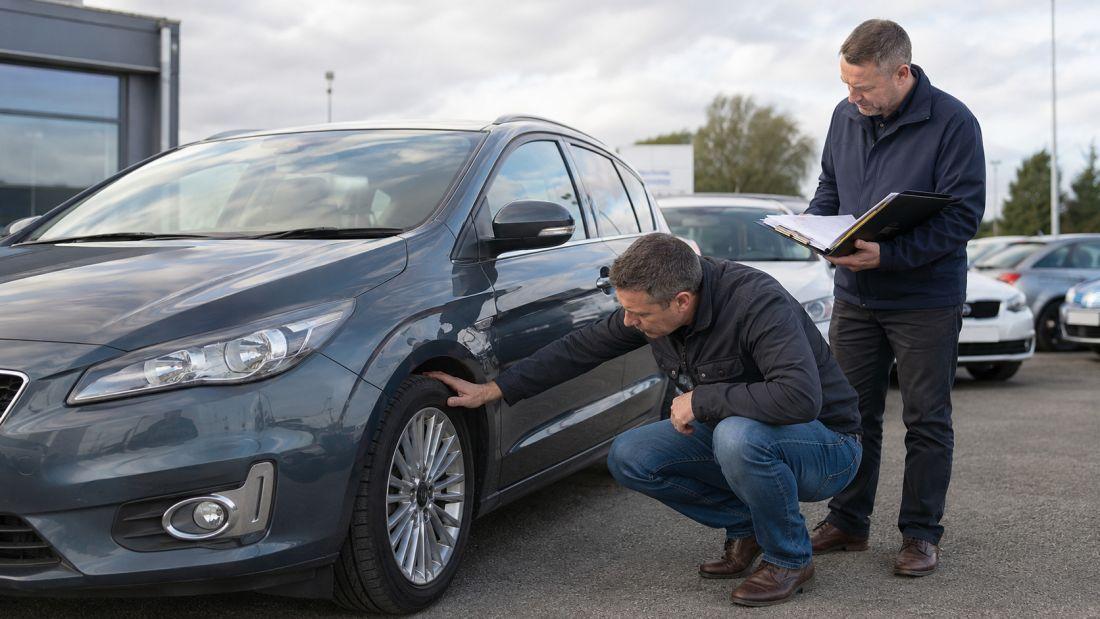
The used car market presents a classic financial dilemma: do you stretch your budget for a “nearly new” model that still smells factory-fresh, or do you save thousands upfront by opting for an older, higher-mileage alternative? On paper, the cheaper price tag always looks like the smarter financial play. In reality, the true cost of a vehicle is measured over years, not just at the dealership desk.
For shoppers on Shoppesmatch.com, understanding the Total Cost of Ownership (TCO), which includes depreciation, maintenance, and repairs, is the key to making the right choice. Here is how nearly new cars (1–3 years old) stack up against older used models (5-8+ years old) across the metrics that actually matter.
The Depreciation Curve: Who Takes the Hit?
Cars are depreciating assets, and the steepest drop in value happens the moment a brand-new car rolls off the lot.
- Nearly New: By buying a 1-to-3-year-old car, you bypass the initial 20-30% depreciation hit absorbed by the first owner. However, the car is still on the steepest part of the depreciation curve. It will continue to lose value rapidly over the next three years.
- Older Used: A car that is 6 or 7 years old has already experienced its most aggressive depreciation. Its value has flattened out. If you buy a $12,000 older car today, it might still be worth $8,000 in three years, a total loss of just $4,000.
The Verdict: Older used cars win purely on depreciation. You lose significantly less capital to vehicle devaluation.
Warranty Cover and Peace of Mind
The lower depreciation of an older car comes with an invisible risk: mechanical liability.
- Nearly New: These vehicles typically retain a portion of their original factory bumper-to-bumper or powertrain warranty. Many are also sold as Certified Pre-Owned (CPO), which extends factory backing, offers roadside assistance, and guarantees the car has passed a rigorous multi-point inspection. If the transmission slips, it is the manufacturer’s problem, not yours.
- Older Used: You are buying the car “as-is.” Any factory warranty is long gone. While you can purchase third-party warranties, they often come with deductibles, strict claim limits, and lists of excluded components.
The Verdict: Nearly new offers drastically better financial predictability and peace of mind.
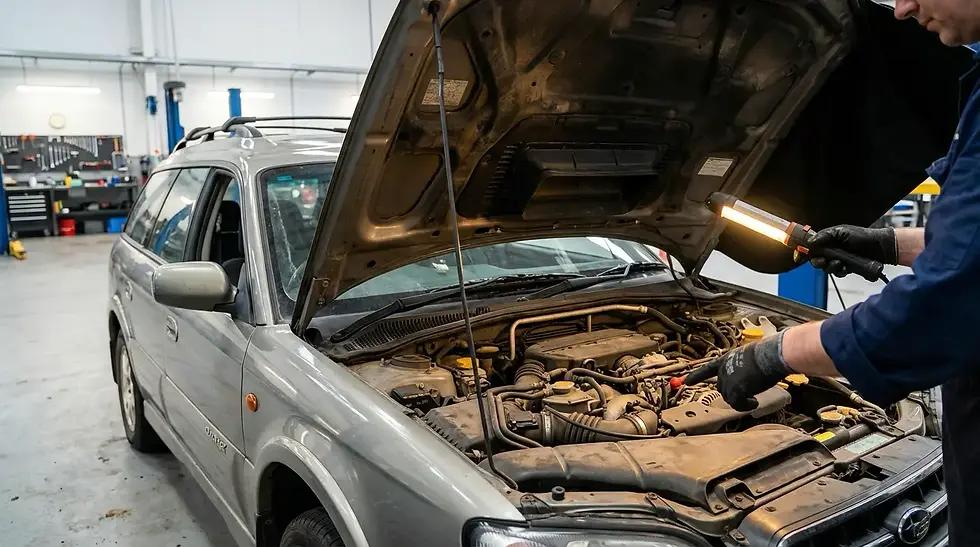
Maintenance, Mileage, and the “Wear-and-Tear” Timeline
Every car has a wear-and-tear schedule. Around the 60,000 to 100,000-mile mark, expensive consumable parts require replacement.
- Older Used: When you buy a cheaper, older car, you are often buying it right as these major service intervals hit. Within the first two years of ownership, you may need to replace the timing belt, water pump, brake rotors, tires, suspension bushings, and battery.
- Nearly New: A 2-year-old car with 25,000 miles generally needs little more than oil changes, filter swaps, and wiper blades for the foreseeable future.
The Verdict: Older cars carry a high risk of immediate “catch-up” maintenance that can quickly erode the money you saved on the purchase price.
Technology, Safety, and Fuel Efficiency
Automotive technology evolves rapidly, particularly regarding Active Driver Assistance Systems (ADAS).
- Nearly New: A 2022 model will likely feature standard Apple CarPlay/Android Auto, adaptive cruise control, lane-keeping assist, and automatic emergency braking. These safety features not only protect you but can also lower your insurance premiums. Modern engines are also optimized for stricter emissions and better fuel economy.
- Older Used: A 2015 model might have basic Bluetooth and a backup camera, but it will likely lack advanced collision avoidance tech. The infotainment system will feel sluggish and outdated by today’s standards.
The Verdict: If modern connectivity and active safety features are a priority, nearly new is the only way to go.
The Budget Breakdown: Purchase Price vs. Total Cost
To illustrate why the lowest purchase price doesn’t guarantee the best value, let’s look at an example 5-year budget comparing two compact SUVs.
Scenario A: The Nearly New Option (2 Years Old, 25k miles)
- Purchase Price: $24,000
- 5-Year Depreciation Loss: $10,000 (Sells for $14,000)
- 5-Year Maintenance/Repairs: $3,000 (Mostly routine, covered by warranty early on)
- Total 5-Year Cost (Excluding fuel/insurance): $13,000
Scenario B: The Older Used Option (7 Years Old, 85k miles)
- Purchase Price: $12,000
- 5-Year Depreciation Loss: $5,000 (Sells for $7,000)
- 5-Year Maintenance/Repairs: $7,500 (Tires, brakes, timing belt, out-of-warranty sensor/AC repairs)
- Total 5-Year Cost (Excluding fuel/insurance): $12,500
While the older car was half the price upfront, the Total Cost of Ownership over five years is nearly identical. With the nearly new car, you paid for a modern, reliable, safe vehicle. With the older car, you paid a mechanic.
Which Should You Buy?
If you have the cash flow or credit to afford the higher monthly payment, a nearly new car often represents the sweet spot of the automotive market. It offers modern safety, reliable daily operation, and warranty protection, all while letting the original owner take the initial depreciation hit.
However, if your primary goal is to avoid taking on automotive debt, paying cash for an older used car is still a sound strategy, provided you get a pre-purchase inspection and keep a healthy emergency fund set aside for the inevitable repairs.