A well-planned home DIY toolkit can turn everyday repairs from frustrating tasks into simple, manageable projects. Whether you are assembling furniture, hanging shelves, tightening loose fittings, measuring spaces, or handling minor home repairs, having the right equipment nearby saves time and avoids unnecessary trips to the store. You don’t need a professional workshop filled with expensive equipment to get started. A carefully selected collection of essential DIY tools can handle a surprisingly wide range of jobs.
For homeowners and DIY enthusiasts in the UK and worldwide, building a useful DIY tool kit is less about owning the biggest collection and more about choosing versatile tools that you will actually use. Starting with reliable hand tools and gradually adding power tools as your projects become more ambitious is a practical way to create a toolkit without overspending.
What Should a Home DIY Toolkit Include?
A useful toolkit should cover four basic needs: fastening, measuring, cutting, and basic repair work. These categories form the foundation for most household projects.
Your first collection doesn’t have to contain dozens of tools. A small number of dependable tools can handle tasks such as assembling furniture, tightening screws, hanging pictures, installing shelves, and making basic adjustments around the house.
A good starting toolkit should include:
- Screwdrivers
- Hammer
- Pliers
- Tape measure
- Spirit level
- Utility knife
- Adjustable wrench
- Hex keys
- Basic drill and drill bits
- Safety equipment
As you gain experience, you can add more specialized equipment according to the type of projects you regularly complete.
Start With Essential Hand Tools
Hand tools should form the foundation of your home workshop. They don’t require batteries or electricity and are useful for everything from quick repairs to larger DIY projects.
Screwdrivers for Everyday Repairs
A reliable screwdriver set is one of the most important purchases for any homeowner. Screws are used throughout furniture, cabinets, electrical covers, fixtures, and household fittings, so you’ll likely reach for a screwdriver frequently.
A basic set should include different sizes of Phillips, Pozidriv, and flat-head screwdrivers. Having multiple sizes helps prevent using an incorrectly sized screwdriver that could damage the screw head.
For convenience, a multi-bit screwdriver can also be useful when storage space is limited.
Pliers for Grip and Adjustment
Pliers are among the most versatile tools for home projects. They can grip, hold, bend, twist, and sometimes cut materials depending on the design.
Consider adding combination pliers to your toolkit first. Long-nose pliers are useful for reaching into narrow spaces, while locking pliers can provide a stronger temporary grip for certain tasks.
Don’t Underestimate Measuring Tools
Accurate measurements are essential for successful DIY. A shelf that is slightly too long, a picture mounted unevenly, or a cabinet installed at the wrong height can quickly turn a simple project into a frustrating one.
Keep a Tape Measure Handy
A tape measure should be one of the first items in your home DIY toolkit. A compact model with clear markings is useful for measuring furniture, walls, shelves, doors, flooring, and materials.
For general household work, a tape measure with a practical length and a sturdy locking mechanism is usually sufficient.
Add a Spirit Level
A spirit level helps ensure that shelves, pictures, cabinets, and other installations are properly aligned. Even a small level can make a noticeable difference when completing home improvement projects.
For homeowners, combining a tape measure with a spirit level provides a simple way to improve accuracy without needing sophisticated measuring equipment.
Add the Right Cutting Tools
Cutting tasks can range from opening packaging to trimming materials during DIY projects. A utility knife is therefore another useful addition to your DIY tool kit.
A retractable utility knife can handle tasks such as cutting cardboard, trimming certain materials, opening packaging, and general workshop preparation.
If you regularly work with wood or other materials, you may eventually need specialist cutting tools. However, beginners should avoid buying equipment for projects they don’t currently plan to undertake.
Include a Versatile Cordless Drill
Once your basic hand tools are covered, a cordless drill is one of the most useful power tools to add.
A drill can help with drilling holes and driving screws, making it valuable for furniture assembly, shelving, home repairs, and many other projects.
For general household use, a cordless drill driver or combi drill can offer a useful combination of portability and versatility.
When choosing one, consider:
- Battery voltage
- Battery capacity
- Torque settings
- Speed control
- Chuck size
- Weight
- Included accessories
- Battery compatibility with other tools
If you’re already building a cordless tool collection, staying within one battery platform can make future purchases more economical.
Choose Accessories That Match Your Tools
Tools are only useful when you have the right accessories to go with them. A drill without suitable bits, for example, won’t be much help when working with different materials.
A basic drill accessory collection can include wood, metal, and masonry bits, along with screwdriver bits for common fasteners.
Other useful accessories include:
- Bit extensions
- Magnetic bit holders
- Sanding attachments
- Spare utility blades
- Replacement screwdriver bits
Buy accessories according to the projects you actually perform rather than purchasing a large set simply because it contains more pieces.
Safety Equipment Belongs in Every Toolkit
Safety shouldn’t be treated as an optional extra. Even simple DIY projects can create dust, debris, sharp edges, or unexpected movement.
Your home DIY toolkit should therefore include basic protective equipment appropriate to the jobs you undertake.
Useful safety items can include:
- Protective safety glasses
- Work gloves where appropriate
- Ear protection for noisy power tools
- Dust protection when required
- Appropriate work clothing
- First-aid supplies
Always follow the manufacturer’s instructions for power tools and accessories, and use the appropriate protective equipment for the material and task.
Build Your Toolkit Gradually
You don’t need to purchase every tool at once. Start with the equipment that supports your most common household tasks and expand your collection as your skills develop.
A sensible progression could be:
Stage 1: Screwdrivers, hammer, pliers, tape measure, spirit level, utility knife.
Stage 2: Adjustable wrench, hex keys, additional pliers, clamps, and better storage.
Stage 3: Cordless drill, drill bits, screwdriver bits, and other power-tool accessories.
Stage 4: Specialist equipment based on your hobbies, such as woodworking or larger renovation projects.
This approach keeps your spending focused on tools that provide genuine value.
Choose Tools Based on Your DIY Projects
The best essential DIY tools aren’t necessarily the most expensive or professional models. They are the tools that suit your projects, experience, and frequency of use.
If you’re mainly assembling furniture and handling minor repairs, a quality collection of hand tools and a cordless drill may be enough. Someone regularly working on woodworking, renovation, or construction projects will naturally need a more extensive selection.
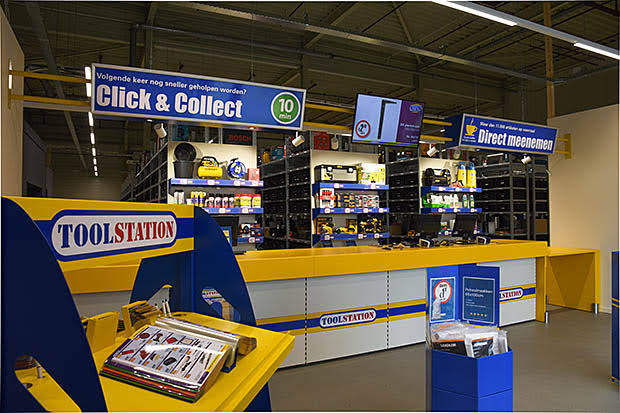
For UK homeowners, retailers such as Toolstation offer a broad range of hand tools, power tools, accessories, storage, and home improvement equipment, making it possible to build a toolkit according to different project requirements.
Frequently Asked Questions
1. What tools should every home DIY toolkit have?
A basic toolkit should include screwdrivers, a hammer, pliers, tape measure, spirit level, adjustable wrench, utility knife, hex keys, and a suitable cordless drill.
2. What is the most useful power tool for home projects?
A cordless drill driver or combi drill is one of the most versatile power tools for homeowners because it can handle common drilling and screwdriving tasks.
3. How much should I spend on a DIY tool kit?
There is no fixed amount. Start with reliable tools for the projects you actually do and gradually add equipment rather than purchasing an expensive collection of tools you rarely use.
4. Do I need professional tools for home repairs?
Usually not. Quality consumer or enthusiast-level tools can handle many everyday home repairs. Professional-grade equipment becomes more relevant for frequent, demanding, or commercial work.
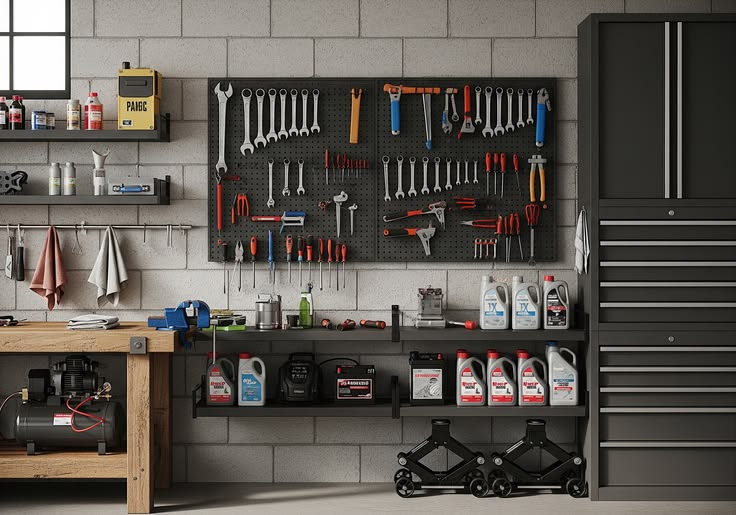
5. How should I store DIY tools?
Use a toolbox, tool chest, cabinet, or wall storage system depending on the size of your collection. Keep tools organized by category and store small accessories in labeled compartments.
6. What should I buy first for a DIY toolkit?
Start with versatile hand tools such as screwdrivers, a hammer, pliers, tape measure, and spirit level. Add a cordless drill once you begin taking on projects that require regular drilling or screwdriving.
Conclusion
Building a home DIY toolkit doesn’t mean filling your garage with every tool available. The smartest approach is to start with reliable hand tools, add accurate measuring equipment, and gradually introduce power tools as your projects become more ambitious.
A well-organized collection of screwdrivers, hammers, pliers, measuring tools, and a versatile cordless drill can handle many everyday home repairs and improvement tasks. From there, you can expand into woodworking tools, specialist equipment, and additional power-tool accessories according to your needs.
Start building your DIY tool kit today, choose tools that match the projects you actually tackle, and create a practical home workshop that’s ready whenever your next repair or improvement project begins.