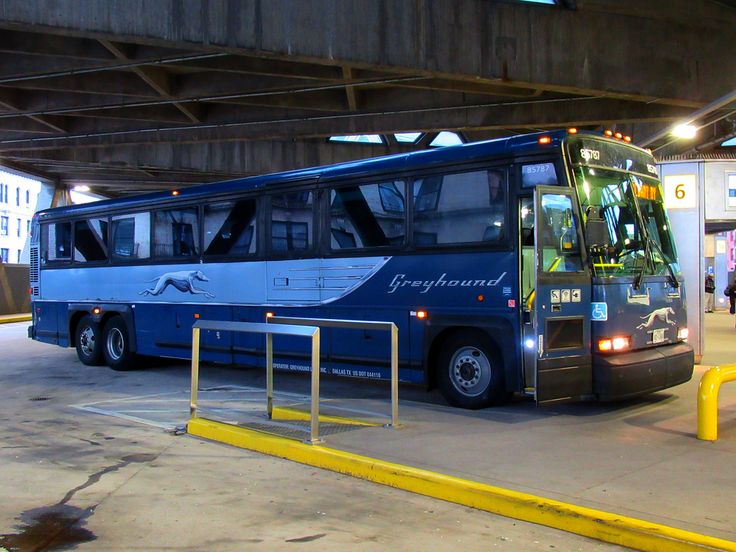
Understanding Greyhound stations vs curbside stops can make a significant difference when planning an intercity bus journey in the United States. While some passengers board from staffed terminals with waiting areas and ticket services, others need to wait at a designated roadside location with limited facilities. Knowing the difference helps you choose the right pickup point, prepare for boarding, and avoid unnecessary confusion on travel day.
Greyhound serves destinations across the US through official stations, partner-operated locations, and curbside stops. Each location has different facilities and boarding arrangements. Before leaving home, check the address on your ticket and review the location details on Greyhound’s official website.
Greyhound Stations vs Curbside Stops: What Is the Difference?
The main difference between Greyhound stations and curbside stops is the level of service and facilities available before boarding. A station generally offers a more organised environment, while a curbside stop may simply be a designated place beside a road or near another transport facility.
What Are Greyhound Bus Stations?
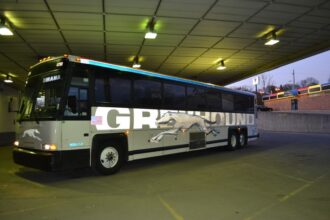
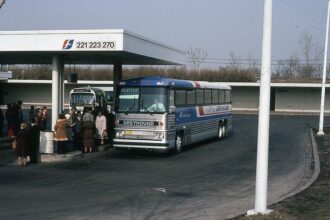
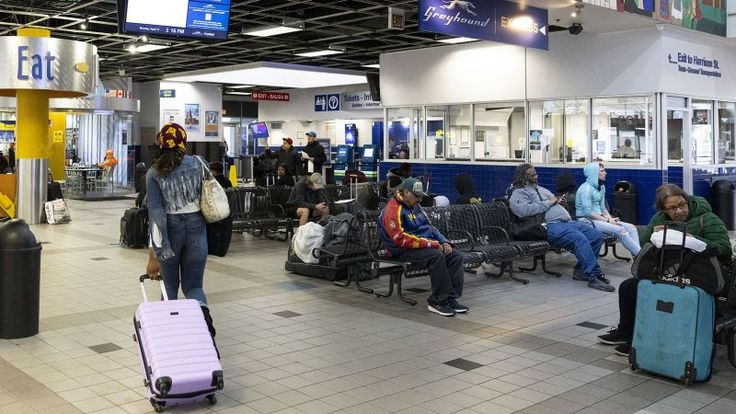
Official Greyhound stations are locations operated by Greyhound staff or representatives. Some are standalone terminals, while others form part of larger transportation hubs.
Depending on the location, Greyhound station facilities may include:
- Indoor waiting areas and seating.
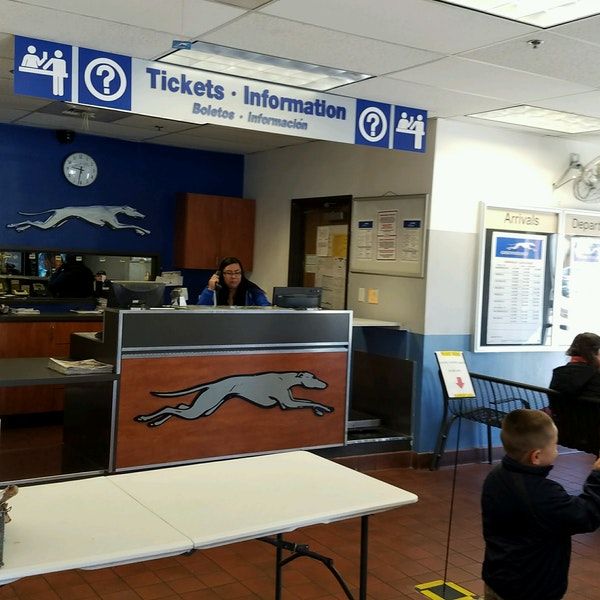
- Ticket counters and customer service assistance.
- Restrooms and baby-changing facilities.
- Food outlets, vending machines, or convenience stores.
- Charging points and free Wi-Fi.
- Boarding queues and designated departure areas.
Facilities vary between locations, so do not assume every station provides all these services. Larger terminals, such as New York’s Port Authority Bus Terminal, may offer more amenities than smaller stations.
Stations can be particularly useful if you need to ask a question, purchase a ticket where ticketing services are available, or wait indoors before departure.
What Are Greyhound Curbside Stops?
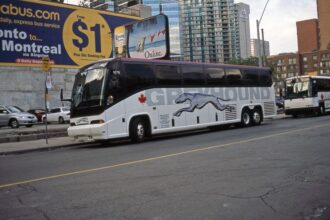
Curbside stops are designated boarding or drop-off points without the full facilities of a conventional bus terminal. Some have a clearly marked sign, while others are positioned near a street corner, transport centre, airport, or other public location.
Typical features include:
- A marked curb or designated boarding area.
- Limited or no indoor waiting space.
- No Greyhound ticket counter at the stop.
- No dedicated staff to assist with general enquiries.
- Boarding assistance from the driver when needed.
Greyhound identifies two types of curbside locations: stops where passengers can both board and get off, and stops that are designated for drop-offs only. The available booking options indicate whether a stop can be used for departures.
Greyhound Station Facilities: What Can You Expect?
When comparing Greyhound bus stop locations, checking the amenities can help you decide how early to arrive and what to bring. A staffed terminal may be more convenient for a long journey or a transfer, particularly if you need access to food, restrooms, or customer service.
However, the word “station” does not guarantee a particular set of services. Partner stations may operate under another company’s name and have their own opening hours and facilities.
Before departure, check whether your location provides:
- Restrooms and accessible facilities.
- Seating or an indoor waiting area.
- Food and drinks.
- Ticketing or customer service.
- Charging points and Wi-Fi.
- Connections to local public transport.
If your departure point has limited facilities, bring water, snacks, a charged phone, and anything else you may need while waiting.
Greyhound Pickup Points: How to Find the Correct Location
Finding the correct Greyhound pickup point is one of the most important parts of preparing for a trip. A city may have multiple stations and curbside stops, so searching only for the city name is not enough.
For example, Washington, D.C., has the Union Station departure location as well as curbside pickup points in nearby areas such as Bethesda and Rosslyn. Each has its own address and boarding instructions.
How to Check Your Boarding Location
Follow these steps before travelling:
- Open your ticket: Check the departure address and the location name shown in your booking.
- Use Greyhound’s bus stop finder: Visit the official website to review the location’s address and directions.
- Read special instructions: Some stops specify a particular curb, street side, sign, or waiting area.
- Check the latest information: Temporary construction or road changes can affect boarding locations.
- Plan your route: Use a navigation app and allow extra time for traffic, parking, or public transport delays.
- Track your bus: Use Greyhound’s Track My Bus service for available arrival and departure updates.
Do not rely exclusively on an old screenshot, a previous booking, or a general map pin. The address and instructions attached to your current ticket should take priority.
Boarding Locations and Departure Timing
Knowing where to wait is only part of the process; you also need to be ready when boarding begins. Greyhound advises passengers to be ready to board approximately 15 minutes before departure.
At a staffed station, follow the boarding signs and join the appropriate queue. Your ticket contains details that help identify your journey, including the booking information and QR code used during boarding.
At curbside boarding points, there may be no indoor announcement system or staff member to guide passengers. Stand in the designated area, keep your ticket accessible, and watch for the arriving bus.
Practical boarding tips include:
- Arrive early rather than aiming to reach the stop at departure time.
- Keep your booking confirmation and identification accessible.
- Confirm the bus destination before boarding.
- Keep luggage close until the driver provides instructions.
- Stay clear of traffic and avoid waiting in unauthorised loading areas.
Partner Bus Stations vs Official Greyhound Stations
Partner bus stations provide another option within Greyhound’s wider network. These may be operated by other bus companies, transport facilities, or local businesses acting as agents.
Some partner locations allow passengers to purchase tickets and board buses, while others serve only as drop-off points. Their opening hours, waiting areas, and customer service arrangements may differ from those at official Greyhound stations.
When checking a partner location, confirm whether you can board there, whether ticketing is available in person, and whether the facility will be open at your departure time.
Frequently Asked Questions
1. What is the difference between a Greyhound station and a curbside stop?
A station generally offers more facilities, such as waiting areas or ticket services. A curbside stop is a designated boarding point with limited amenities and usually no dedicated ticket counter.
2. Can I buy a Greyhound ticket at a curbside stop?
Curbside stops generally do not have ticket counters. Purchase your ticket online or through the Greyhound app before arriving.
3. How early should I arrive at a Greyhound pickup point?
Greyhound advises passengers to be ready to board about 15 minutes before departure. Arriving earlier is sensible if you need to find the stop or manage luggage.
4. Do all Greyhound stations have restrooms and waiting areas?
No. Facilities vary by location, particularly at partner stations and smaller terminals. Check the official location details before travelling.
5. How can I find exact Greyhound bus stop directions?
Use Greyhound’s official bus stop finder and read the address and boarding instructions on your ticket. Some curbside locations specify a particular side of the street or landmark.
Conclusion: Choose the Right Greyhound Pickup Point
Understanding Greyhound stations vs curbside stops helps you prepare for a smoother journey. Stations generally offer more facilities and potential customer support, while curbside stops provide access to routes from designated locations with fewer amenities.
Before travelling, verify the address, check the boarding instructions, confirm the available facilities, and arrive ready to board at least 15 minutes before departure. These simple steps can help prevent missed connections and unnecessary stress.
Ready to plan your trip? Visit Greyhound’s official website to compare routes, find pickup points, and check the latest departure details.