Every great man cave starts with a vision. You picture the Friday nights: the low hum of the beer fridge, the sharp clack of billiard balls breaking, the massive screen illuminating the room as your team scores the game-winning touchdown, and the comfortable leather of a theater recliner forming to your back. It is a sanctuary. A retreat from the noise of the main house. A place where you set the rules, control the thermostat, and curate the atmosphere.
But between that glorious vision and the reality of your unfinished basement or empty garage lies a treacherous, expensive minefield known as “spatial logistics.”
The most common, and devastating, mistake homeowners make when building a man cave is buying the gear before planning the space. It’s easy to get intoxicated by the idea of an 8-foot slate pool table, a row of power-reclining theater seats, and a custom wet bar. But when delivery day arrives, that spacious basement suddenly shrinks. The pool table is pushed too close to the wall, making half the shots impossible. The theater seats block the path to the bathroom. The wet bar feels like a tollbooth you have to squeeze past just to get into the room.
Instead of a relaxing sanctuary, you’ve accidentally built a claustrophobic, expensive obstacle course.
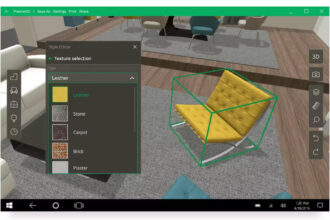
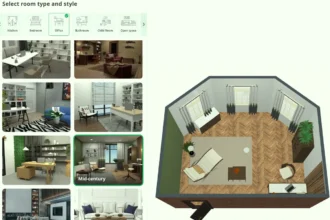
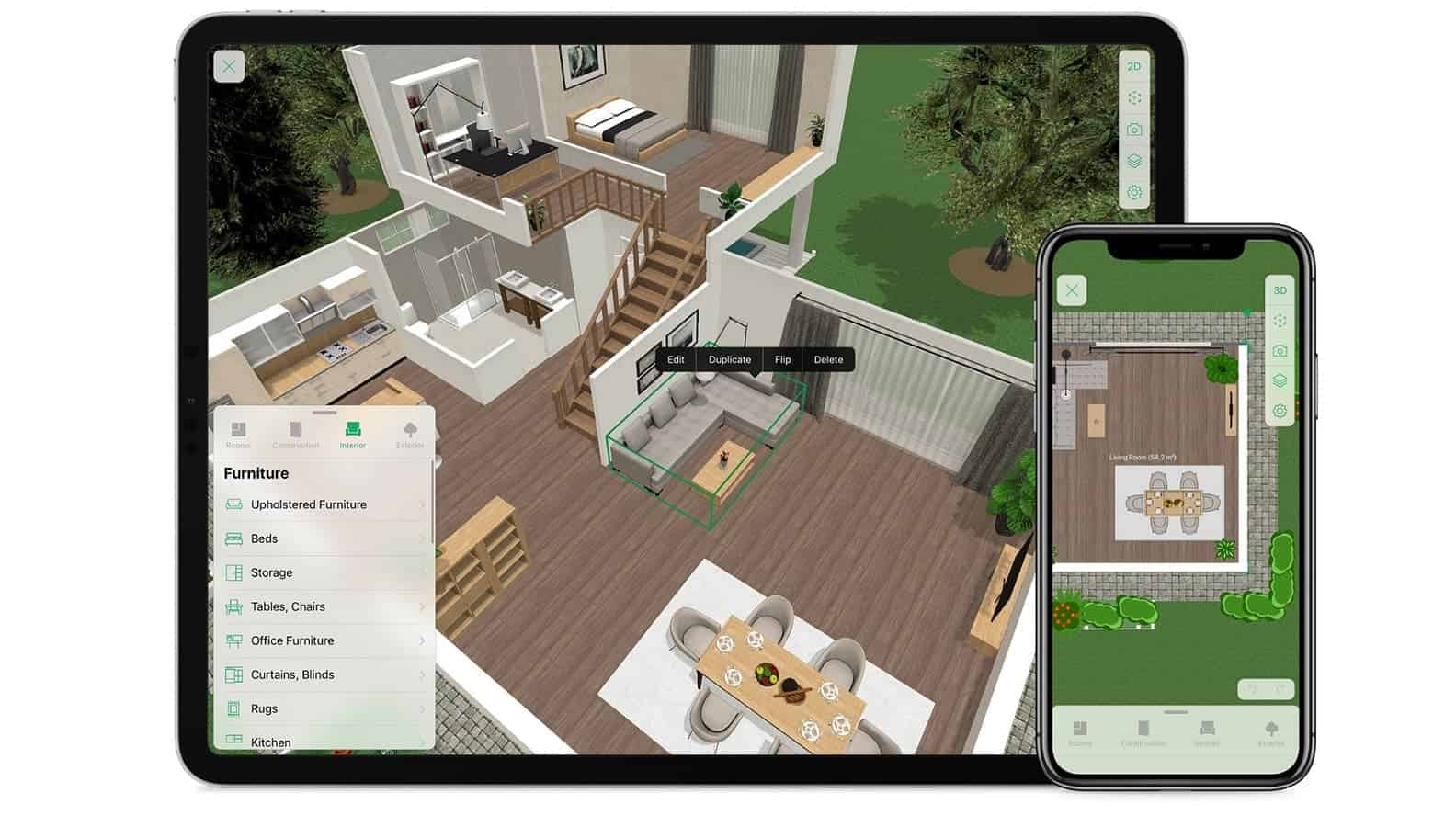
If you want to fit the holy trinity of man cave features, the pool table, the home theater, and the wet bar—without making the room feel like a crowded storage unit, you have to engineer the space first. This is where the golden rule of renovation comes into play: Build it digitally before you lift a single hammer. Using intuitive 3D design software like Planner 5D allows you to map out every square inch, test different layouts, and foresee spatial conflicts before you’ve spent a single dollar on furniture. Here is how to navigate the spatial logistics of your dream room.
The Pool Table Paradox: Respecting the “Cue Zone”
The pool table is usually the centerpiece of the room, and it is also the biggest spatial liability. The rookie mistake is measuring the physical footprint of the table itself and assuming that if the table fits, the room works.
A standard 8-foot pool table measures roughly 4.5 feet by 9 feet. But playing pool requires human movement. You aren’t just placing a static object; you are placing an activity.
The Math of the Cue: The standard billiard cue is 58 inches long. To take a comfortable, uninhibited shot where the cue ball is resting directly against the rail, you need a minimum of 58 inches of clearance extending outward from every single edge of the table. Ideally, you want a full 5 feet (60 inches) of clearance to allow for a comfortable backstroke.
- The Reality Check: That 4.5 x 9-foot table actually requires a dedicated, unobstructed footprint of roughly 14.5 feet by 19 feet.
If you don’t map this out beforehand, you will inevitably end up with the dreaded “short cue” corner. You know the one, the corner where players have to grab a sawed-off 36-inch cue stick just to avoid punching a hole in the drywall. Nothing ruins the premium feel of a man cave faster than having to modify your game because of poor room layout.
By building your room in Planner 5D first, you can drop a true-to-scale pool table into your digital floor plan. You can visually measure the exact distance from the table’s edge to the nearest wall, structural support pillar, or piece of furniture, ensuring your cue zone is completely uncompromised.
The Home Theater Hierarchy: Distance, Angles, and Recline
The second pillar of the man cave is the viewing area. Whether you are installing an 85-inch OLED TV or a 120-inch 4K projector screen, the spatial relationship between the screen and the seating is a delicate science.
The Viewing Distance: Bigger isn’t always better if you are sitting too close. If your theater seating is shoved just six feet away from a 100-inch screen, you’ll be giving yourself motion sickness and neck strain. A general rule of thumb from audio-visual professionals is that your viewing distance should be roughly 1.5 to 2.5 times the diagonal measurement of the screen.
The Recline Radius: Home theater seating is notoriously bulky. A standard row of three leather power recliners can easily span 10 feet in width. But the real spatial thief is the depth. When fully upright, a theater seat might be 40 inches deep. When fully reclined, that depth can extend to 65 or even 70 inches.
If you place your seating too close to the pool table zone, a reclined chair might suddenly back right into the cue clearance zone. If you place it too close to a walkway, anyone getting up to grab a beer has to climb over their friends’ legs.
The Solution: When laying out your floor plan, you must account for the maximum extended footprint of your furniture. In your digital planner, you can create a “buffer zone” around the seating area. You also need to verify sightlines. If you have a wet bar situated behind the theater seating, is the bar high enough for people to see over the heads of those sitting in the recliners? Designing the room in 3D allows you to switch to a first-person perspective, “sit” at your virtual bar, and guarantee the view of the TV isn’t blocked.
The Wet Bar Workstation: Flow and Functionality
A man cave without a bar is just a living room in a basement. However, a wet bar requires more than just dropping a counter against a wall. It requires plumbing, electrical work, refrigeration, and seating, all of which demand specific spatial allowances.
The Walkway Behind the Bar: If you are acting as the bartender, you need room to work. The standard clearance between the back of the bar (the counter where the guests sit) and the back wall (or back counter where the liquor is displayed) is 36 inches minimum. If you have an under-counter refrigerator, an ice maker, or a dishwasher, you must account for the swing radius of those doors. If the space is only 24 inches wide, you won’t be able to open the fridge door while standing directly in front of it.
The Stool Push-Out Zone: On the guest side of the bar, you must account for the stools. A standard bar overhang is about 10 to 12 inches to allow for knee room. However, when a person sits down or stands up, they push the stool backward. You need at least 24 to 30 inches of clearance behind the bar stools to allow people to comfortably slide out without bumping into the back of the theater seats or wandering into the pool table’s cue zone.
The Golden Rule of Flow: Mastering Negative Space
The secret to making a room feel expansive and luxurious, rather than cramped and chaotic, is mastering “negative space.” Negative space is the empty area between your functional zones. It is the walkways, the breathing room, the paths of travel.
A well-designed man cave is divided into distinct zones:
- The Active Zone: (Pool table, dartboard, arcade cabinets)
- The Passive Zone: (Home theater seating, lounging)
- The Hospitality Zone: (The wet bar, the fridge, the snack area)
The negative space is the invisible highway that connects these zones. If someone is taking a crucial shot at the pool table, someone else should be able to walk from the theater seats to the bar without interrupting the game or squeezing past a wall. You need dedicated, unobstructed walkways that are at least 36 inches wide to maintain a natural, comfortable traffic flow.
Why ‘Build It First’ is Non-Negotiable
Trying to calculate cue clearance, recline depth, fridge door swings, and negative space using just a tape measure and a piece of graph paper is a recipe for disaster. It is too easy to miscalculate a few inches, and in room design, a few inches is the difference between a custom-built paradise and an awkward, cramped mistake.
This is precisely why Planner 5D is the ultimate first tool you should pick up for this project.
Before you hire a contractor, before you buy the drywall, and long before you hand over your credit card for a massive slate pool table, you can build your exact room dimensions in Planner 5D. You can drop in structural columns, place doors and windows exactly where they exist in reality, and then start experimenting.
You can drag a pool table into the center of the room and instantly see the clearance. You can swap a straight row of theater seats for a curved row to see how it affects the walkway. You can build out the bar, stool by stool, and check the sightlines to the TV. You can play with textures, lighting, and paint colors to ensure the dark, moody aesthetic you want doesn’t end up feeling like a dungeon.
More importantly, building the room digitally gives you a bulletproof blueprint. When you show your spouse exactly how the room will look, flow, and function, it changes the conversation from a vague, expensive idea to a concrete, impressive plan. When you hand that 3D rendering to your contractor or electrician, there is zero ambiguity about where the outlets for the TV and the plumbing for the wet bar need to go.
A man cave is an investment in your sanity, your social life, and your property value. Don’t leave the logistics to chance. By using a tool like Planner 5D to map out the spatial puzzle beforehand, you guarantee that your final result isn’t just a room full of expensive gear, but a masterfully designed retreat that feels exactly as good as you imagined it.