Selling your car can feel like a balancing act between getting the best possible price and avoiding the stress of finding a buyer. While a private sale may help you secure a higher price, a car buying service can offer a faster, more convenient way to sell your vehicle.
The right choice depends on your priorities, your car’s condition, and how much time you’re willing to invest. If you’re planning to upgrade your vehicle, reduce your expenses, or simply sell a car you no longer need, understanding both options can help you make a more informed decision.
This guide compares selling a car privately with using a car buying service in the UK, covering valuations, negotiations, paperwork, payment security, and the steps you need to take before handing over your keys.
Selling Your Car Privately: What to Expect
Selling privately means advertising your car directly to potential buyers, usually through online marketplaces or classified listings. You control the asking price, communicate with interested buyers, and arrange the sale yourself.
The biggest attraction is the potential to achieve a higher selling price because you’re selling directly to the next owner rather than accepting a trade or dealer purchase offer.
However, that potential comes with additional responsibilities.
The Advantages of Selling Privately
Potentially higher returns: Private buyers may be willing to pay more than a dealer or buying service, particularly for a well-maintained car with desirable specifications and a strong service history.
Control over the asking price: You decide your initial price, negotiate offers, and choose whether to accept or reject them.
A wider pool of buyers: Advertising online can help you reach people specifically looking for your car’s make, model, age, or features.
The Challenges of a Private Sale
Selling privately takes time. You’ll need to create an attractive advert, photograph the vehicle, respond to enquiries, arrange viewings, and negotiate with potential buyers.
Some enquiries may lead nowhere, while other buyers may offer considerably less than your asking price.
You’ll also need to manage test drives, verify payment, and complete the necessary paperwork correctly.
For sellers with busy schedules or little experience selling cars, these responsibilities can make a private sale more demanding than expected.
Selling Through a Car Buying Service
A car buying service offers an alternative for people who want to sell their vehicle with less effort. Depending on the provider, the process may involve entering your registration number and mileage online, receiving an initial valuation, arranging an inspection, and accepting a final offer.
Some services buy vehicles directly, while others connect sellers with dealers or other buyers. The exact process varies, so check how the service operates before committing.
The Advantages of Car Buying Services
Greater convenience: You generally don’t need to create adverts, manage numerous enquiries, or arrange viewings with multiple private buyers.
A potentially quicker sale: Some services can complete a transaction within a short period, provided the vehicle passes the necessary checks and the paperwork is ready.
Less negotiation: The service usually provides an offer based on the vehicle’s details and condition. You can accept or decline without negotiating with several individual buyers.
Help with administration: Some providers assist with outstanding finance settlements and the vehicle handover process. Always confirm which tasks they handle.
The Possible Disadvantages
The main trade-off is price. A buying service may offer less than you could achieve through a successful private sale because it needs to account for resale costs, preparation, and commercial risk.
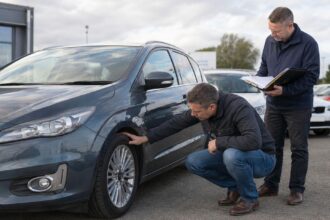
Your initial online valuation may also change after an inspection if the car’s condition, mileage, or history differs from the information supplied.
Therefore, check the final offer rather than relying solely on the headline valuation.
Private Sale vs Car Buying Service: Which Is Better?
The better option depends on what matters most to you.
Choose a private sale if:
- Getting the highest possible price is your main priority.
- You have time to manage enquiries and viewings.
- You’re comfortable negotiating with buyers.
- Your car is well-presented and has a desirable specification.
Consider a car buying service if:
- You want to sell quickly with less administration.
- You prefer not to arrange multiple viewings.
- You value a more predictable selling process.
- Convenience matters more than maximising the final price.
Neither route guarantees a particular outcome. Compare several valuations and consider the time, costs, and effort involved before deciding.
How to Prepare Your Car for Sale
Whichever route you choose, preparing your car properly can make the selling process smoother.
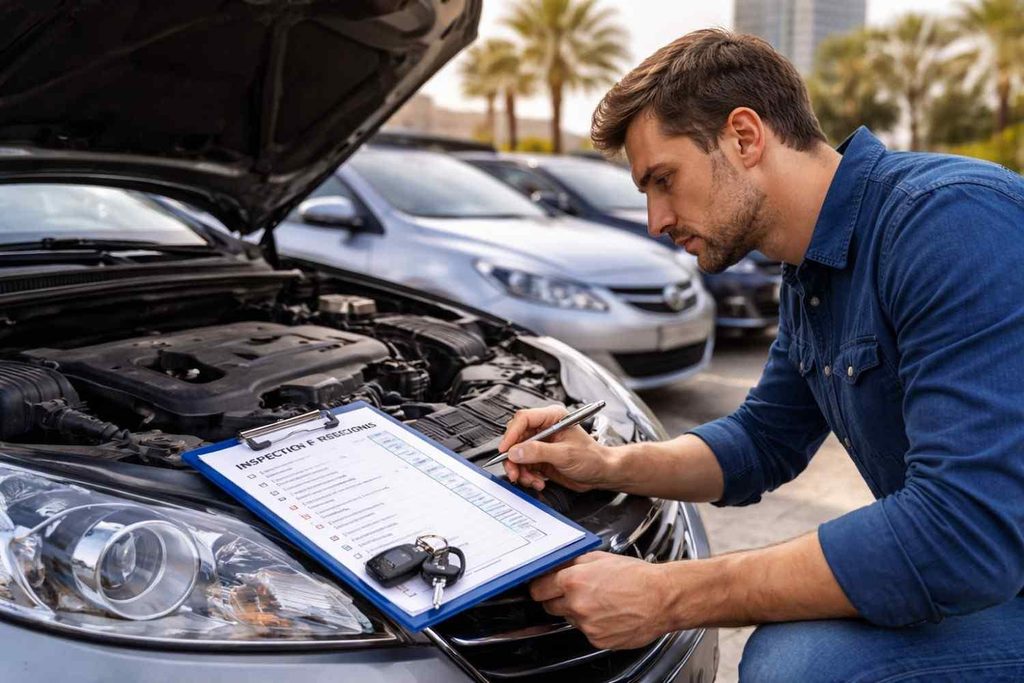
Start by cleaning the interior and exterior. Remove personal belongings, clear the boot, and make sure the car is presentable.
Next, gather the documents buyers or services may request, including:
- V5C vehicle registration certificate, commonly called the logbook.
- MOT information and service history.
- Receipts for maintenance and repairs.
- Details of previous work, relevant faults, and included accessories.
- All available keys.
Check your car’s market value by comparing similar vehicles with the same make, model, age, mileage, specification, and condition.
Be honest about existing damage or mechanical issues. An accurate description helps set realistic expectations and reduces the likelihood of disagreements later.
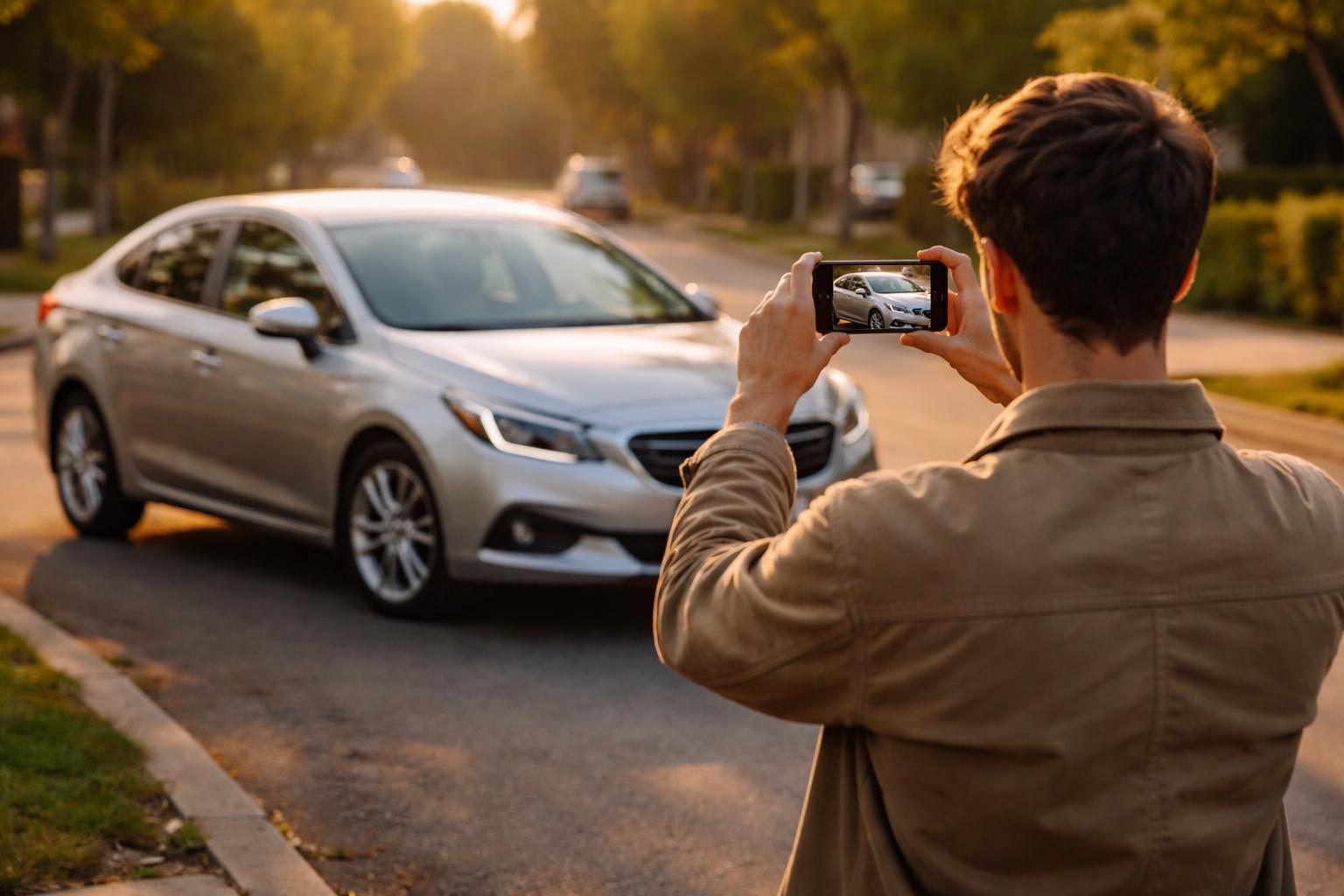
If selling privately, use clear photographs and include relevant information about mileage, service history, MOT status, and features in your advert.
Valuation and Negotiation: Getting a Fair Price
Before accepting an offer, understand what your car is worth.
Online valuation tools can provide a useful starting point, but actual offers may differ according to demand, vehicle condition, mileage, and the selling route.
For a private sale, set an asking price based on comparable listings while leaving reasonable room for negotiation. Remember that advertised prices are not necessarily the amounts buyers ultimately pay.
With a car buying service, request valuations from more than one provider. Compare the final offers and check whether collection, administration, or other charges apply.
Consider the net amount you will receive, not simply the highest initial quote.
A slightly lower offer may be worthwhile if it saves substantial time and effort, while a private sale may be more attractive if the price difference is significant.
UK Paperwork, Outstanding Finance, and Payment Safety
Selling a car in the UK involves several important checks, regardless of which route you choose.
Check Your V5C and Notify the DVLA
The V5C identifies the registered keeper, but it is not proof of legal ownership. Make sure you have the right to sell the vehicle and that its details are correct.
When selling to a private buyer in the UK, give them the green new-keeper slip from the V5C and notify the DVLA of the sale. You can usually do this online through the official GOV.UK service.
If selling to a motor trader, follow the relevant DVLA process and confirm who will submit the notification. Keep the confirmation for your records.
Your vehicle tax does not transfer to the buyer. The DVLA cancels your tax when notified of the sale and refunds any eligible full remaining months.
Deal With Outstanding Finance
If your car has outstanding hire purchase (HP) or personal contract purchase (PCP) finance, contact the finance provider before agreeing to sell it.
Request a settlement figure and establish how the balance will be cleared. Some car buying services can settle the finance directly and pay you any remaining equity, but you must confirm the arrangements.
If the settlement figure exceeds the car’s value, you may need to pay the difference. Do not assume that transferring the vehicle automatically clears your finance obligations.
Protect Yourself During Payment
For a private sale, agree on a secure payment method and verify that the funds have arrived in your own bank account before handing over the keys.
Do not rely on screenshots, payment emails, or messages claiming that a transfer is pending.
Meet buyers safely, accompany them on test drives, and check that appropriate insurance arrangements are in place.
After the sale, inform your insurer and confirm whether you can cancel your policy or transfer it to another vehicle.
Final Checklist: Which Selling Route Suits You?
Before making your decision, ask yourself:
- Do I want to maximise the sale price, even if it takes longer?
- Can I manage enquiries, viewings, and negotiations?
- Have I compared private-sale prices with buying-service valuations?
- Is my car ready for inspection, and do I have the relevant paperwork?
- Have I checked for outstanding finance?
- Do I understand how payment, the handover, and DVLA notification will be handled?
If price comes first and you have time to manage the process, selling privately may be the better choice. If convenience and speed matter more, a car buying service may suit you.
The best way to sell your car is the one that balances a fair price with the time, convenience, and peace of mind you need.