
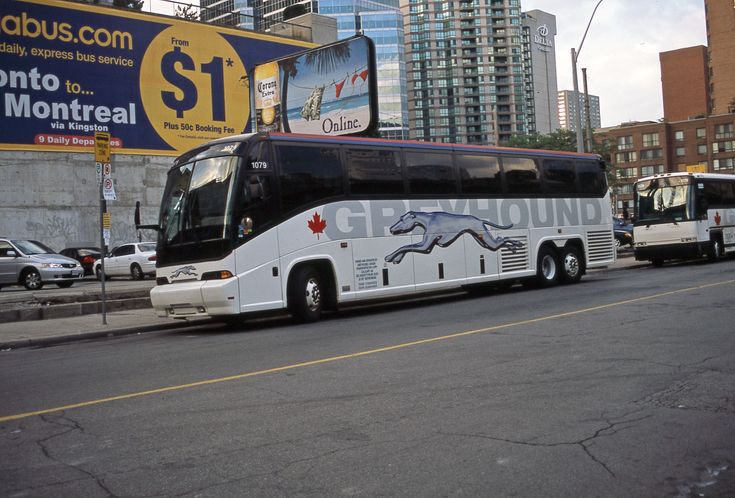
Planning a bus journey between the United States and Canada requires more preparation than travelling within one country. Greyhound U.S.–Canada bus travel can be a convenient way to connect destinations such as New York and Toronto, Detroit and nearby Canadian cities, or other cross-border travel hubs, depending on the services available for your dates. However, your ticket alone does not guarantee entry into either country. You must also meet the relevant immigration, passport, and customs requirements.
Before booking, review your route, confirm that the service operates on your chosen date, and prepare the documents required for your nationality and immigration status. This guide to Greyhound international routes covers travel documents, border checks, tickets, luggage, and practical tips for a smoother journey.
Check Your Greyhound U.S.–Canada Bus Travel Route
Start by confirming that your chosen journey is available. Cross-border bus schedules, transfer points, and operating carriers can change, so use Greyhound’s official booking website to check your travel dates and the exact itinerary.
Some journeys may involve a connection or a service operated by a partner carrier. Read the itinerary carefully to identify where you will board, transfer, and cross the border.
Before purchasing international bus tickets, confirm:
- Your departure and arrival stations.
- The scheduled departure and arrival dates and times.
- Whether the itinerary includes transfers or partner operators.
- Whether you need to collect and recheck luggage during a connection.
- The cancellation and change conditions attached to your fare.
Allow extra time for border procedures. Customs and immigration checks can delay the journey, and arrival times are not guaranteed.
Greyhound Travel Documents: What Do You Need?
The documents required for Greyhound U.S.–Canada bus travel depend on your citizenship, residency, immigration status, and method of entry. A document accepted for one traveller may not be sufficient for another.
For many international visitors, a valid passport is the clearest starting point. Some U.S. and Canadian citizens may have additional document options under specific land-border rules, but travellers should verify eligibility with official government sources before departure.
Passport Requirements for U.S.–Canada Travel
Before your trip, check that your travel document is valid and that the name matches your ticket and other booking records.
Your document checklist should include:
- A valid passport or another border document specifically accepted for your circumstances.
- Any required visa or electronic travel authorisation, where applicable.
- Proof of immigration status or residency, if relevant to your situation.
- Supporting documents for minors travelling with you, if required.
- Your ticket confirmation and accommodation details, where useful.
A visa or travel authorisation requirement depends on nationality and immigration circumstances. Do not assume that a U.S. visa automatically permits entry into Canada, or that Canadian immigration permission guarantees admission to the United States.
Understand Border Crossing and Customs Checks
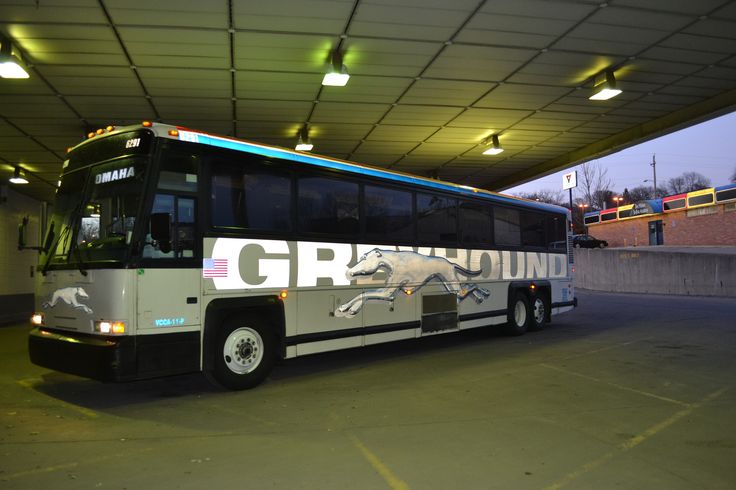
Border crossing is a mandatory part of international bus travel. Passengers may need to leave the coach, present their documents, answer questions, and collect their belongings for inspection according to officers’ instructions.
U.S. and Canadian border authorities independently decide whether a traveller may enter their country. A bus ticket does not replace these checks, and neither Greyhound nor a partner carrier can guarantee admission.
What Happens at the Border?
Although procedures vary, passengers should be ready to:
- Follow instructions from the driver and border officers.
- Present the required passport and supporting documents.
- Answer questions about the purpose and duration of the visit.
- Declare goods, cash, food, and other items as required.
- Cooperate with baggage inspections or additional screening.
- Return to the designated boarding area promptly after clearance.
Keep your passport, ticket, medication, and essential personal items accessible. Do not pack travel documents in a suitcase that may be stored underneath the bus.
Customs Rules and Luggage Preparation
Customs rules apply to personal belongings and goods carried across the border. Restrictions can differ between the United States and Canada, particularly for food, plants, animal products, alcohol, tobacco, commercial merchandise, and other regulated items.
Before leaving, check the official customs guidance for both countries. Declare items when required, even if you are unsure whether they are restricted.
Useful preparation steps include:
- Keep receipts for valuable new purchases.
- Check restrictions on food and agricultural products.
- Review the rules for medicines and carry prescriptions when appropriate.
- Understand declaration requirements for cash and monetary instruments.
- Pack liquids, electronics, and valuables securely.
- Keep luggage tags and contact details attached to your bags.
Do not assume that an item permitted on the bus is automatically permitted across the border. Bus luggage rules and customs requirements are separate.
Return Tickets, Booking Changes, and Travel Planning
A return ticket can help demonstrate your planned itinerary, but it does not guarantee entry into Canada or the United States. Border officers may ask about the purpose of your visit, how long you intend to stay, where you will stay, and how you plan to leave.
When preparing your Canada travel planning checklist, keep your travel details consistent and easy to access.
Consider carrying:
- Your outbound and return booking confirmations.
- Accommodation addresses and contact details.
- Information about the purpose of your visit.
- Evidence of sufficient funds, if relevant to the entry requirements.
- Contact details for your host or travel companion, if applicable.
If you expect to change your plans, review the ticket’s fare conditions before booking. Cross-border services may have specific transfer arrangements, and missing one segment can affect the rest of your itinerary.
Practical Tips for a Smoother Cross-Border Journey
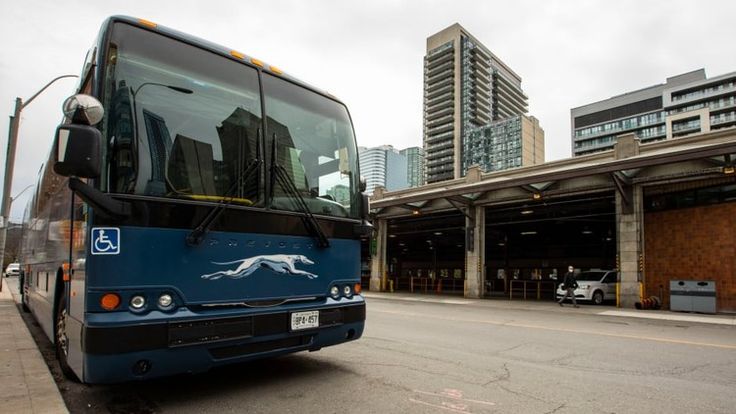
A little preparation can reduce stress at the station and border. Check your route again shortly before departure, arrive early, and keep your travel documents in a secure but accessible place.
Use this final checklist:
- Verify the itinerary on Greyhound’s official website.
- Confirm passport, visa, and authorisation requirements through government sources.
- Check entry rules for both countries based on your nationality and status.
- Review customs restrictions for everything you plan to carry.
- Keep your ticket and documents accessible during the journey.
- Charge your phone and save important booking details offline.
- Carry essential medication and valuables in your personal bag.
- Allow flexibility for delays caused by border processing.
- Confirm station locations and transfer instructions.
For travellers with special needs, children, or mobility equipment, contact the carrier ahead of time to confirm the arrangements that apply to each part of the journey.
FAQs About Greyhound U.S.–Canada Bus Travel
1. Do I need a passport for Greyhound travel between the U.S. and Canada?
Many travellers need a valid passport, while certain citizens may qualify to use other accepted border documents. Requirements depend on nationality and circumstances, so verify your eligibility with official border authorities.
2. Does buying a Greyhound ticket guarantee entry into Canada?
No. A ticket confirms your transport booking, not your right to enter Canada. Canadian border officials make the final decision on admission.
3. Can I travel with a U.S. visa to Canada?
Not necessarily. A U.S. visa does not automatically provide permission to enter Canada. Check Canada’s requirements for your nationality and immigration status.
4. Will my luggage be checked at the U.S.–Canada border?
Your luggage may be inspected by border officers. Follow instructions, declare goods as required, and keep essential documents and medication accessible.
5. Should I book a return ticket for cross-border bus travel?
A return ticket can help document your intended travel plans, but it does not guarantee entry. Check the applicable entry requirements and carry any supporting information you may need.
Conclusion: Prepare Before You Board
Successful Greyhound U.S.–Canada bus travel starts with more than purchasing a ticket. You need the right travel documents, an understanding of border and customs procedures, and a clear itinerary for your outbound and return journeys.
Confirm your route, check entry requirements through official U.S. and Canadian government resources, and keep your documents accessible throughout the trip. With careful planning, you can reduce avoidable delays and approach your cross-border journey with greater confidence.
Visit the official Greyhound website to check available routes, compare travel dates, and book your next bus journey. Always verify border requirements before departure.