
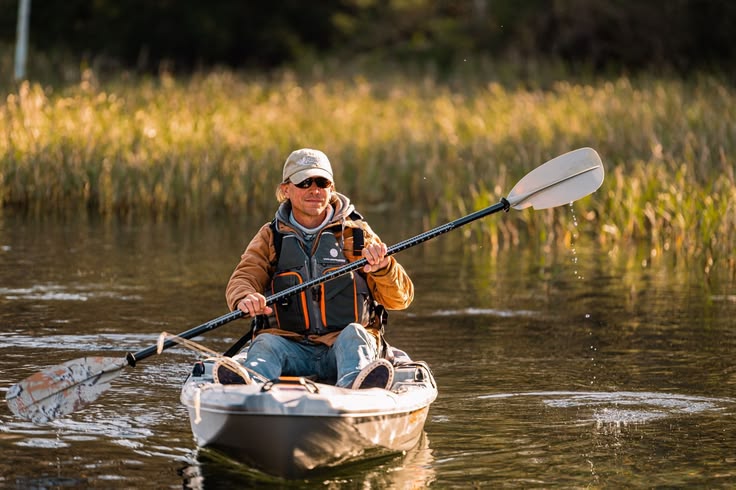
Choosing the right kayak can make a major difference when fishing on lakes, rivers, reservoirs, or calm coastal waters. SCHEELS fishing kayaks are designed for anglers looking for a combination of paddling capability, stability, storage, and fishing-specific functionality. However, not every kayak is suited to the same type of water or fishing style, so comparing key specifications before purchasing is essential.
A good fishing kayak buying guide should go beyond appearance and price. Factors such as kayak stability, seating position, storage capacity, fishing rod holders, weight, portability, and paddle compatibility can influence how comfortable and practical a kayak is during a full day on the water. For US anglers exploring SCHEELS kayaks, understanding these features can make the selection process much easier.
What Makes SCHEELS Fishing Kayaks Different?
Fishing kayaks are generally designed with angling activities in mind rather than simply getting from one point to another. They may provide additional storage, mounting points, rod holders, and wider hull designs intended to offer a stable platform.
When comparing SCHEELS fishing kayaks, consider:
- Hull design and stability
- Sit-on-top or sit-inside configuration
- Weight and transportation
- Seat comfort
- Kayak storage
- Fishing rod holders
- Paddle compatibility
- Maximum weight capacity
- Accessory mounting options
The right combination depends on where you plan to fish and how much equipment you normally carry.
SCHEELS Fishing Kayaks: Start With Stability
Kayak stability is one of the most important characteristics for anglers. Fishing involves more movement than simply paddling, particularly when casting, retrieving equipment, or handling a fish.
A stable kayak can provide greater confidence when you need to adjust your position or reach for equipment.
Look at:
- Hull width
- Overall kayak length
- Hull shape
- Weight capacity
- Seating position
- Intended water conditions
A wider design can generally provide a more stable-feeling platform, but there can be trade-offs in paddling efficiency and speed. The best balance depends on your intended use.
Primary vs. Secondary Stability
Kayak stability is often discussed in terms of initial and secondary stability. Initial stability describes how stable a kayak feels during ordinary movements, while secondary stability concerns how it behaves as it is leaned further.
For fishing, the overall design should match the angler’s experience, body size, equipment load, and intended water conditions.
Sit-on-Top Kayak or Sit-Inside Design?
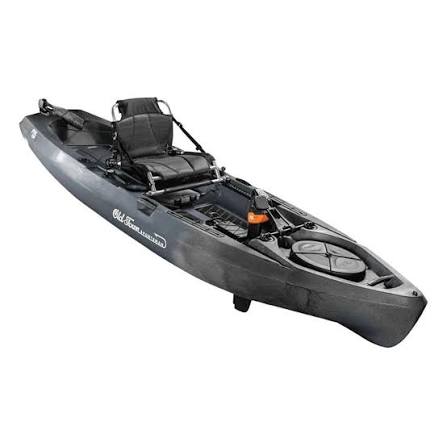
A sit-on-top kayak is a popular choice for recreational fishing because the open layout can make entering, exiting, and accessing equipment relatively straightforward. The design can also provide more freedom of movement when fishing.
Sit-inside kayaks, meanwhile, place the paddler inside the hull and can offer a different paddling experience.
Why Choose a Sit-on-Top Kayak?
A sit-on-top configuration may be useful for anglers who prioritize:
- Easy entry and exit
- Open deck space
- Fishing access
- Gear accessibility
- Recreational versatility
- A straightforward layout
Regardless of design, always use appropriate safety equipment and follow local water-safety requirements.
Kayak Storage for Fishing Equipment
Storage becomes particularly important when a kayak is being used as a fishing platform. Rods, tackle boxes, bait, water, safety equipment, and personal belongings all require space.
When comparing SCHEELS fishing kayaks, examine both open and enclosed storage areas.
Useful storage features can include:
- Rear storage wells
- Watertight compartments
- Gear tracks
- Front storage areas
- Dedicated tackle space
- Bungee storage systems
Avoid loading the kayak beyond its stated capacity. Total load should account for the angler, equipment, and other carried items.
Fishing Rod Holders and Accessory Mounts
Dedicated fishing rod holders can make an angling kayak considerably more practical. They allow rods to remain secured while paddling, changing locations, or handling other equipment.
Depending on the model, anglers may also look for mounting points for:
- Fish finders
- Cameras
- GPS devices
- Phone holders
- Additional rod holders
- Tackle accessories
A useful setup should keep frequently accessed equipment within reach without obstructing paddling or creating unnecessary clutter.
Paddle Selection and Propulsion
The paddle remains one of the most important pieces of equipment for a traditional paddle kayak. Choosing an appropriate paddle involves considering kayak width, paddler height, seating position, and paddling style.
A suitable paddle should feel comfortable during extended use and provide enough reach for the kayak’s dimensions.
When choosing a paddle, consider:
- Paddle length
- Blade design
- Shaft material
- Overall weight
- Adjustability
- Storage options
A lightweight paddle can reduce fatigue during longer fishing sessions, while an adjustable model can provide greater flexibility.
Seating and Comfort for Long Fishing Sessions
Fishing trips can last several hours, making seat design more important than it might initially appear. A comfortable, supportive seat can make it easier to maintain a consistent paddling position.
Check for:
- Back support
- Seat padding
- Adjustability
- Leg positioning
- Seat height
- Ease of adjustment
An elevated seat can improve visibility and make standing easier on compatible stable kayaks, but anglers should only stand when the kayak is specifically designed and rated for that activity.
Weight, Transportation, and Portability
A kayak can be excellent on the water but inconvenient if it is too difficult to transport. Consider how you will move the kayak from your vehicle to the launch point.
Before choosing among SCHEELS kayaks, check:
- Kayak weight
- Overall length
- Carry handles
- Vehicle compatibility
- Storage requirements
- Availability of a suitable kayak cart
For solo anglers, portability can be especially important. A lighter kayak may be easier to carry, although weight should always be evaluated alongside stability, capacity, and construction.
Fishing Accessories Worth Considering
The right fishing accessories can make a kayak setup more functional, but it is better to add equipment gradually rather than overloading the boat.
Useful additions may include:
- Tackle storage
- Paddle leash
- Dry bags
- Fishing rod holders
- Anchor systems where appropriate
- Fish finder
- Waterproof phone storage
- Personal flotation device
- Landing net
Safety equipment should take priority over optional accessories. A properly fitted personal flotation device is an essential part of responsible kayaking.
Match the Kayak to Your Water Environment
Different waterways can demand different characteristics. A kayak suitable for a calm lake may not be appropriate for exposed coastal conditions or moving water.
Lakes and Calm Reservoirs
For relatively calm water, anglers may prioritize stability, storage, comfort, and easy maneuverability.
Rivers
River fishing requires additional attention to current, obstacles, turning ability, and local water conditions.
Coastal Waters
Coastal kayaking can involve wind, waves, tides, and rapidly changing conditions. Anglers should choose equipment appropriate to the environment and have the necessary experience and safety preparation.
Always check local regulations, weather, water conditions, and access requirements before launching.
How to Prepare for a Fishing Kayak Trip
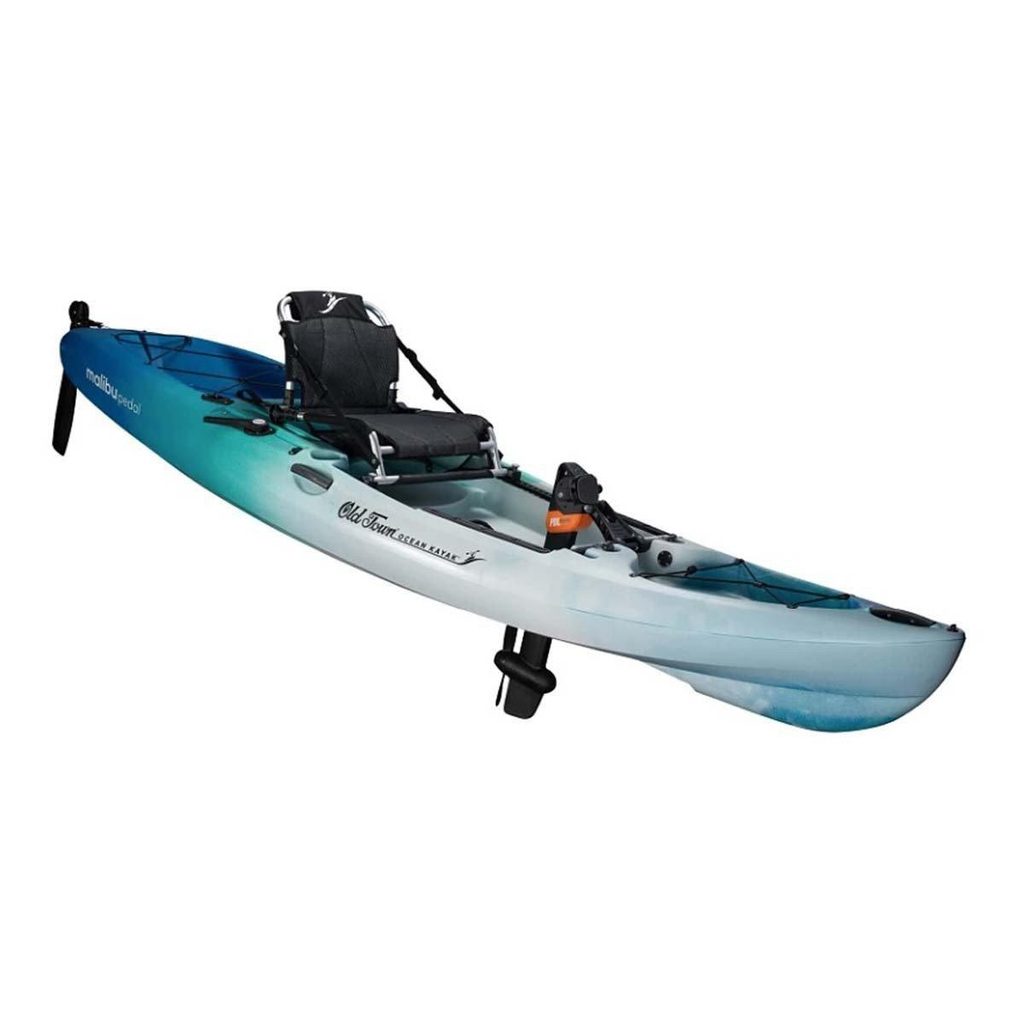
Once you’ve selected your kayak, preparation is just as important as the equipment itself.
Before leaving, check:
- Weather and water conditions
- Kayak and paddle condition
- PFD fit
- Phone or communication device
- Drinking water
- Fishing equipment
- Navigation tools
- Required permits or licenses
- Launch and parking arrangements
Keep essential equipment secured so it does not become a hazard if the kayak moves unexpectedly.
Frequently Asked Questions
What should I look for in SCHEELS fishing kayaks?
Focus on stability, weight capacity, storage, seating comfort, fishing rod holders, paddle compatibility, portability, and accessory mounting options. The kayak should also match the water environment where you plan to fish.
Is a sit-on-top kayak good for fishing?
A sit-on-top kayak can be a practical choice for fishing because its open layout provides easy access to equipment and allows relatively straightforward entry and exit. The specific kayak should still be appropriate for the intended water conditions.
How important is kayak stability for fishing?
Stability is particularly important because anglers frequently cast, retrieve equipment, move around, and handle fish. Choose a design that provides an appropriate balance of stability and paddling performance.
How much storage do I need on a fishing kayak?
Storage requirements depend on how much tackle and equipment you carry. Consider space for rods, tackle, food, water, safety equipment, and personal belongings while staying within the kayak’s rated capacity.
Do fishing kayaks come with rod holders?
Some fishing kayaks include built-in rod holders, while others provide mounting points for accessories. Check the individual model’s specifications before purchasing.
Conclusion: Choosing the Right SCHEELS Fishing Kayaks
The best SCHEELS fishing kayaks are not necessarily the largest or most heavily equipped models. The right choice depends on your fishing style, experience, body size, equipment load, transportation needs, and the waters you intend to explore.
Pay particular attention to kayak stability, storage, seating, fishing rod holders, paddle compatibility, weight capacity, and portability. A well-matched kayak can make fishing sessions more comfortable while giving you a practical platform for exploring lakes, rivers, and other suitable waterways across the US.
Ready for your next water adventure? Explore SCHEELS kayaks and compare fishing-focused features to find a setup that fits your fishing style, equipment, and favorite waterways.