
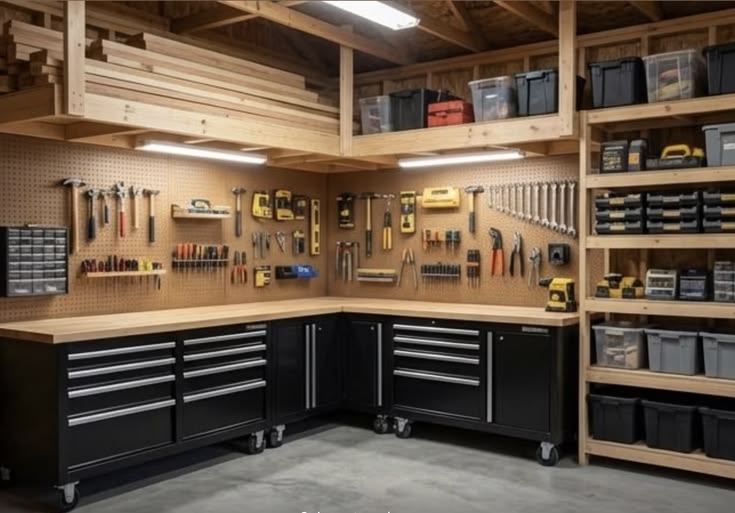
The right tool storage ideas can transform a cluttered garage, shed or home workshop into a safer and more productive workspace. Whether you are a weekend DIY enthusiast or regularly work on woodworking and repair projects, organised storage makes it easier to find equipment, protect valuable tools and keep work surfaces clear. In the UK, where garages and workshops can often be compact, making the most of vertical and unused space is especially important. A well-planned workshop storage system does not have to be complicated or expensive; it simply needs to match the tools you own and the way you use them.
Why Good Tool Storage Matters
A disorganised workshop can waste time and make even simple projects frustrating. When drills, screwdrivers, fixings and accessories are mixed together, you may spend more time searching for equipment than actually working.
Good garage tool storage creates a designated place for everything. It can also help protect tools from accidental damage, moisture and unnecessary wear.
A practical storage system should make your most frequently used equipment easy to reach while keeping less frequently used items safely stored away.
Key benefits include:
- Faster access to frequently used tools
- Better use of limited workshop space
- Reduced clutter around work areas
- Easier inventory management
- Improved protection for tools and accessories
- A safer, more efficient working environment
Toolstation’s current storage range includes tool boxes, organisers, tool chests, cabinets, bags and modular solutions designed for garages and workshops.
1. Start With a Workshop Storage Plan
Before buying storage, take an inventory of what you already own. Emptying drawers, boxes and cupboards onto a workbench can reveal duplicate tools, rarely used equipment and accessories that need a better home.
Group tools according to how you use them rather than simply putting similar-looking objects together. For example, drilling equipment can be kept together with compatible bits and accessories, while decorating equipment can have its own storage area.
Create Three Main Zones
A simple workshop can be divided into:
- Everyday-use zone: screwdrivers, tape measures, pliers and frequently used power tools.
- Project zone: tools and materials currently needed for a specific job.
- Long-term storage zone: seasonal, specialist or rarely used equipment.
This approach makes workshop organization easier because you are not constantly moving boxes around to reach everyday equipment.
2. Use Wall Storage to Save Floor Space
One of the most effective tool storage ideas for a small UK garage is to use the walls. Floor space is often limited, particularly when a garage also needs to accommodate bicycles, garden equipment or household storage.
Wall-mounted systems can keep hand tools visible and accessible while freeing valuable floor space.
Consider using:
- Pegboards for frequently used hand tools
- Wall-mounted bins for screws and fixings
- Shelving for larger boxes
- Hooks for extension leads and cables
- Rails or panels for tools that need quick access
Toolstation also lists wall-mountable and stackable organisers for smaller items, while some organisers are designed specifically to save floor space.
3. Invest in Tool Boxes and Organisers
Tool boxes remain one of the simplest solutions for keeping equipment together. They are particularly useful if you regularly move between your workshop, garden and different areas of the house.
Choose a toolbox based on the type of equipment you need to carry. A compact organiser can be ideal for screws, nails, washers and other small fixings, while larger cases can accommodate hand tools or power equipment.
Toolstation currently offers stackable boxes, mobile toolboxes and organisers with multiple compartments for smaller accessories.
Use Small Compartments for Small Parts
Loose screws and fittings can quickly turn a workshop drawer into a mess. Dedicated tool organizers with labelled compartments make it easier to identify exactly what you need.
Separate storage for:
- Screws and nails
- Wall plugs
- Washers and nuts
- Drill and screwdriver bits
- Blades and sanding accessories
- Electrical connectors
Clear labels can make a surprisingly large difference to everyday workshop efficiency.
4. Consider Tool Cabinets for a Permanent Workshop
If you have a dedicated garage workshop, tool cabinets can provide significantly more storage than individual boxes. They are particularly useful for people who own larger collections of hand tools and accessories.
Rolling cabinets offer another advantage: mobility. Instead of carrying several heavy boxes, you can move your tools closer to the project.
Toolstation’s range includes rolling tool cabinets and chests in different sizes, with options designed to provide accessible storage while remaining mobile.
For a more permanent setup, a cabinet can also become the central storage point around which you organise your workbench and wall storage.
5. Try Modular Storage for a Growing Tool Collection
If you expect your collection to expand, modular storage can be more practical than buying unrelated storage products over time.
Modular systems allow you to add cabinets, drawers, wall units or work surfaces as your needs change. This can be particularly useful for homeowners gradually turning part of a garage into a dedicated workshop.
For example, Toolstation’s BUNKER modular storage system combines floor cabinets, wall cabinets, drawers, pegboards and a worktop into a configurable workshop setup.
The biggest advantage is scalability: you can start with the essentials and add storage rather than redesigning the entire workshop later.
6. Make the Most of Under-Bench and Overhead Space
Not every storage solution needs to be at eye level. Under-bench drawers and cabinets can store heavier or less frequently used equipment without taking up additional wall space.
Overhead shelving can also be useful for lightweight items that are not needed every day. However, avoid placing heavy objects above areas where people regularly work or walk.
For smaller workshops, consider:
- Under-bench drawers
- Tall shelving units
- Corner shelving
- Wall cabinets
- Storage hooks
- Stackable containers
The goal is to use vertical space while keeping everyday work areas clear.
7. Organise Tools by Frequency of Use
One of the most practical tool storage ideas is to arrange equipment according to how frequently you use it.
Tools used every week should be within easy reach. Equipment used once or twice a year can be placed higher up, in cabinets or in labelled storage boxes.
A simple arrangement could be:
Daily: screwdriver set, drill, tape measure and pliers
Weekly: saws, sanders and specialist hand tools
Occasional: seasonal equipment and specialist accessories
This reduces unnecessary movement and makes your workshop easier to maintain.
8. Keep Safety at the Centre of Workshop Organization
Storage is not only about appearance. It also contributes to safety. The UK’s Health and Safety Executive advises keeping workshops tidy and avoiding trip hazards such as trailing cables and tools.
HSE guidance also highlights the importance of good housekeeping because obstructions can contribute to slips and trips.
Keep walkways clear and make sure heavy equipment is stored securely. Cables should not be left across areas where people walk, and storage should not block doors, electrical controls or emergency access.
For woodworking workshops, safe layout is particularly important. HSE guidance notes that workshop layout affects the safe movement of people and materials.
Frequently Asked Questions
What is the best way to store tools in a small workshop?
Use vertical wall storage, compact organisers and under-bench cabinets. Keeping frequently used tools within easy reach while storing less-used equipment elsewhere can make a small workshop feel considerably larger.
Are tool boxes better than tool cabinets?
It depends on your needs. Tool boxes are portable and useful for smaller collections, while tool cabinets provide more permanent storage for larger workshops. A combination of both can work particularly well.
How do I organise tools in my garage?
Start by grouping tools according to their purpose and frequency of use. Use wall storage for frequently accessed items, labelled organisers for small fixings and cabinets or boxes for larger equipment.
Is modular storage worth buying?
Modular storage can be worthwhile if your tool collection is likely to grow. You can add compatible cabinets, drawers and work surfaces as your workshop develops rather than replacing your entire storage system.
How can I keep a workshop safe and organised?
Keep walkways clear, store tools securely, control trailing cables and avoid overloading shelves. Regularly returning equipment to its designated location also helps maintain good workshop housekeeping.
Conclusion: Build a Workshop That Works for You
The best tool storage ideas are the ones that make your workshop easier to use every day. Whether you choose wall storage, tool boxes, rolling cabinets or a complete modular storage system, the objective should be the same: give every tool a logical home while keeping your workspace accessible and safe.
For UK DIY enthusiasts, even a small garage can become an efficient workshop when storage is planned around available space, tool frequency and future needs. Start with the tools you use most, make use of vertical space and expand your system as your collection grows.
Ready to create a cleaner, more organised workshop? Explore Toolstation’s range of tool storage, organisers, cabinets and workshop solutions to find the setup that works for your space.