Choosing the right power tools for home improvement can make DIY projects faster, easier and more precise. Whether you are assembling furniture, putting up shelves, renovating a room or taking on a larger home renovation, the right equipment can save time and reduce unnecessary effort. For UK homeowners, the choice often comes down to the project, material, frequency of use, power source and overall budget. This power tool buying guide explains the key factors to consider before investing in new equipment.
Why Choosing the Right Power Tools Matters
Not every power tool is designed for the same job. A drill that works perfectly for putting screws into timber may not be suitable for drilling masonry, while a compact sander may be ideal for furniture but inefficient for a large flooring project.
The first step is therefore to identify exactly what you need the tool to accomplish. Toolstation’s current power-tool range includes drills, saws and other equipment for jobs ranging from occasional DIY to more demanding construction work.
Before buying, consider:
- The material you will be working with
- How frequently you expect to use the tool
- The size and complexity of the project
- Whether portability is important
- Your available budget
- The accessories and consumables required
Understand the Main Power Tool Types
Understanding different power tool types makes it much easier to narrow down your options. A basic DIY toolkit does not need every machine available; it needs versatile tools that match the projects you are most likely to undertake.
Drills and Drill Drivers
A drill driver is one of the most useful home improvement tools for everyday tasks. It can handle jobs such as assembling furniture, installing shelves, fixing brackets and drilling suitable materials.
A combi drill provides additional versatility because it can drill, drive screws and provide hammer action for certain masonry applications. For heavier masonry work, an SDS drill may be more appropriate. Toolstation currently separates its drill range into categories including combi, SDS, drill drivers, impact and percussion drills.
Saws
For cutting timber, sheet materials or other suitable materials, different saw designs serve different purposes. Circular saws are useful for longer straight cuts, while mitre saws are designed for accurate angled cuts. Reciprocating saws can be useful for rougher cutting and demolition-style tasks.
Choosing the correct blade for the material is just as important as choosing the saw itself.
Sanders and Multi-Tools
A power sander can make surface preparation considerably quicker when refinishing furniture, doors or timber. Multi-tools are useful when you need one compact machine for several specialist cutting, scraping or sanding applications.
Corded vs Cordless Tools: Which Is Better?
One of the biggest decisions when purchasing power tools for home improvement is whether to choose corded or cordless equipment.
Cordless tools provide freedom of movement and are particularly convenient when working outdoors or in locations without easy access to a socket. Modern cordless ranges commonly use rechargeable battery platforms, with Toolstation currently listing 12V, 18V, 20V and 36V options across its drill selection.
Corded tools, meanwhile, can be useful when you need sustained operation without stopping to recharge batteries.
Consider:
- Cordless: portability, convenience and easier movement
- Corded: continuous operation and no battery charging
- Battery platform: useful if you plan to buy several tools from one range
- Voltage: higher voltage does not automatically mean a tool is better for every task
If you expect to build a collection of cordless tools, choosing a compatible battery platform can reduce the need to purchase separate batteries and chargers.

Match the Tool to Your Project
The best power tools for home improvement depend on what you are actually doing. A homeowner decorating a bedroom has very different requirements from someone building a garden workshop.
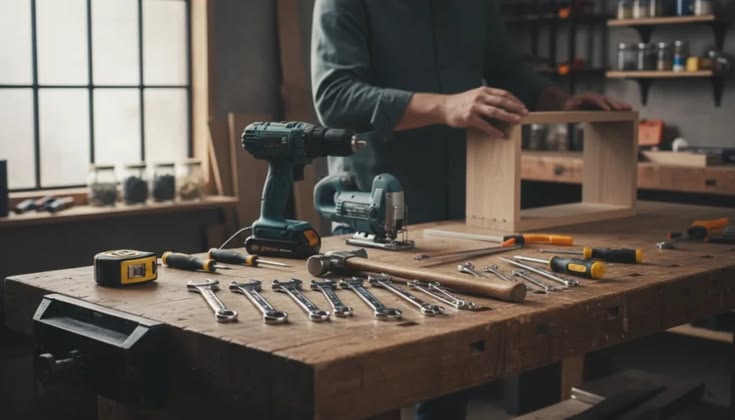
For example, a basic furniture or shelving project may only require a drill driver, appropriate drill bits and screwdriver bits. A woodworking project could require a circular saw, sander and additional cutting accessories. More substantial construction tasks may require specialist construction tools and should not be approached with equipment designed only for light DIY.
Check Power, Speed and Performance
Specifications matter, but they should always be interpreted in relation to the job. For drills, factors such as torque, speed settings, chuck capacity and hammer action can influence performance. For saws, blade size, cutting depth and speed may be more relevant.
Do not automatically choose the most powerful model. Excessive power can add cost, weight and complexity without providing a practical benefit for occasional DIY.
A sensible buying approach is to prioritise:
- Suitable power for the material
- Variable speed where useful
- Comfortable handling
- Appropriate tool weight
- Reliable battery life for cordless equipment
- Availability of replacement accessories
Consider Ergonomics and Ease of Use
A tool can have excellent specifications and still be frustrating if it is uncomfortable to operate. Weight, grip design, balance and controls all affect how easily you can work, particularly during longer projects.
For home users, compact equipment can sometimes be more practical than professional-grade machinery designed for continuous site work.
This is particularly important for woodworking tools, where controlled movement and precision can affect the final result.
Don’t Forget Safety
Power tools can cause serious injuries when used incorrectly. The UK Health and Safety Executive recommends ensuring electrical equipment is suitable for its intended use, maintained in good condition and used safely. It also recommends appropriate training and personal protective equipment where necessary.
Before starting a project:
- Read the manufacturer’s instructions
- Wear suitable eye and hearing protection
- Keep loose clothing away from moving parts
- Inspect cables, plugs and batteries before use
- Secure the workpiece properly
- Use the correct blade, bit or accessory
- Keep children and other people away from the work area
For higher-risk machinery and woodworking equipment, appropriate training and safeguards are particularly important.
Set a Realistic Budget
Price should be considered alongside expected usage. Buying the cheapest tool may not always be economical if you regularly use it, while buying premium equipment for a single small project may be unnecessary.
Compare the complete cost rather than just the tool price. For cordless equipment, remember to account for batteries and chargers if they are not included. Accessories such as blades, drill bits, sanding discs and cases can also add to the final cost.
Frequently Asked Questions
What are the best power tools for home improvement?
A drill driver or combi drill is generally a versatile starting point. Depending on your projects, you may later add a sander, saw or multi-tool.
Are cordless tools better than corded tools?
Neither is universally better. Cordless tools offer portability, while corded tools provide continuous operation. The right option depends on your workspace and project.
What power tool should a DIY beginner buy first?
A versatile drill driver is often a practical first purchase because it can handle common tasks such as drilling and screwdriving.
Do I need professional-grade DIY equipment?
Not necessarily. Occasional home users can often choose tools designed for domestic DIY rather than paying for equipment intended for intensive professional use.
How do I choose the right drill?
Consider the material, required drilling size, torque, speed settings and whether you need hammer action. For heavier masonry applications, a suitable SDS drill may be more appropriate.
Conclusion: Choose Tools That Fit the Job
The best power tools for home improvement are not necessarily the most powerful or expensive options. The right choice is the tool that matches your project, materials, experience and expected frequency of use. Start with versatile home improvement tools, compare corded and cordless tools, check specifications carefully and never overlook safety.
For UK homeowners planning DIY, woodworking or home renovation projects, taking a few minutes to compare features, accessories and long-term value can help prevent an expensive mistake.
Ready to start your next project? Compare power tools at Toolstation and find equipment suited to your DIY, woodworking or home improvement needs.