Choosing the right storage solutions can make a home feel more spacious, organized, and easier to manage. From crowded kitchen cupboards and bathroom counters to overflowing wardrobes and cluttered living rooms, the right storage can turn unused corners into practical spaces. For UK homes, where rooms and storage areas can vary significantly in size, selecting furniture and organization products based on the room’s layout is particularly important.
The best storage solutions for home are not necessarily the biggest. They are the ones that make everyday items easier to access while using available space efficiently. Whether you live in a compact London flat, a family home in Manchester, or a larger property in the countryside, thoughtful organization can help reduce clutter without making rooms feel cramped.
Start by Understanding Your Storage Needs
Before buying shelves, boxes, baskets, or cabinets, identify what actually needs storing. Buying storage products first can sometimes create more clutter because you end up trying to find things to put inside them.
Start by grouping belongings according to how frequently you use them. Everyday items should remain easy to reach, while seasonal or rarely used belongings can be stored in less accessible areas.
A simple approach is to divide items into:
- Daily-use items: Keep them within easy reach.
- Occasional-use items: Store in cupboards, drawers, or higher shelves.
- Seasonal items: Use under-bed or loft storage.
- Rarely used items: Consider long-term storage areas.
- Unwanted items: Declutter before creating more storage space.
This approach makes your home organization system more practical and prevents storage furniture from becoming another source of clutter.
Storage Solutions for the Living Room
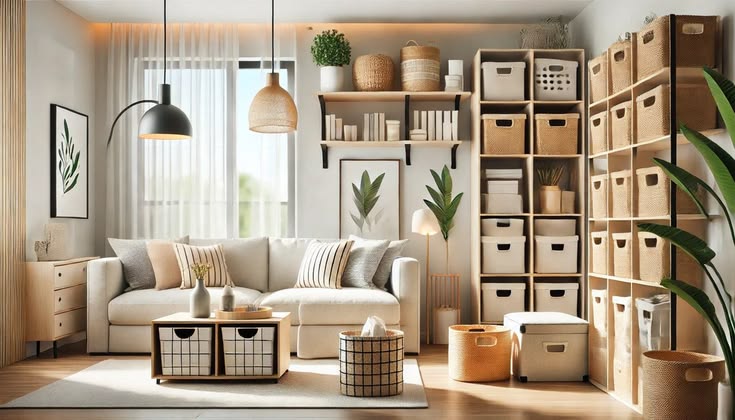
Living rooms often need to accommodate books, electronics, blankets, toys, decorative pieces, and everyday household items. The challenge is keeping these belongings accessible without making the room look overcrowded.
Shelving units can work particularly well because they use vertical space rather than taking up large areas of floor space. A combination of open shelves and closed cupboards can provide both display space and concealed storage.
For smaller UK living rooms, consider furniture that serves multiple purposes. An ottoman with internal storage, for example, can provide seating while creating space for blankets, cushions, or other items.
Useful Living Room Options
- Freestanding shelving units
- Storage ottomans
- TV cabinets with drawers
- Decorative baskets
- Cube storage
- Side tables with compartments
Choose furniture according to the room’s proportions. A large storage unit can overwhelm a small room, while several smaller pieces may offer greater flexibility.
Kitchen Storage Solutions
The kitchen is one of the busiest areas of most homes, making effective kitchen storage particularly valuable. Pots, pans, food containers, utensils, cleaning supplies, and pantry products can quickly fill available cupboards.
Instead of adding more furniture immediately, look at how existing cabinets are being used. Adjustable shelves, drawer organizers, and stackable containers can increase usable space without requiring major changes.
Vertical storage can also make unused areas more useful. Wall-mounted shelves, racks, and narrow organizers can provide additional capacity while keeping frequently used items accessible.
Make Pantry Storage More Efficient
Clear or labelled storage boxes can make pantry organization easier because you can quickly identify what you have. Group similar products together, such as baking ingredients, snacks, breakfast products, and canned goods.
For UK households, this can be particularly useful when buying groceries in larger quantities because organized storage makes it easier to see what needs replacing.
Bathroom Storage Ideas
Bathrooms often have limited floor space, so choosing compact home storage ideas can make a significant difference.
Tall shelving units can use vertical space effectively, while narrow cabinets can fit into otherwise unused corners. Wall-mounted organizers can also keep toiletries away from the sink and make cleaning easier.
Consider keeping everyday toiletries within easy reach and storing backup products elsewhere.
Useful bathroom organization products include:
- Slim storage cabinets
- Wall-mounted shelves
- Shower caddies
- Drawer organizers
- Small baskets
- Under-sink organizers
Avoid overcrowding the bathroom with large furniture. Moisture levels also make material selection important, so choose products appropriate for bathroom conditions.
Bedroom Organization and Wardrobe Storage
Bedrooms can quickly become cluttered because they often combine clothing, accessories, bedding, shoes, and personal belongings.
A good bedroom organization system should make frequently worn clothing easy to access while keeping seasonal items out of the way.
Wardrobe organizers, under-bed containers, drawer dividers, and shelving can help maximize available space.
For Smaller Bedrooms
Consider:
- Under-bed storage boxes
- Narrow bedside cabinets
- Over-door organizers
- Vertical shelving
- Stackable storage containers
- Multi-purpose furniture
Under-bed storage is especially useful because it takes advantage of an area that would otherwise remain unused.
Choose Shelving Units Carefully
Shelving units are among the most versatile storage products for home organization. However, their size, weight capacity, and placement should match the items you intend to store.
Before buying shelving, measure the available wall or floor space carefully. Don’t forget to account for doors, windows, sockets, and walking areas.
For heavier items, choose shelving designed to support the appropriate load. For decorative objects and lightweight belongings, simpler shelves may be sufficient.
Use Storage Boxes to Control Smaller Items
Small belongings can create visual clutter even when you have plenty of furniture. Storage boxes and baskets provide an easy way to group similar items together.
Labelled boxes can be particularly useful for seasonal decorations, children’s belongings, craft supplies, cables, and miscellaneous household products.
Instead of placing several unrelated items in one large box, create categories so that finding something later doesn’t require emptying the entire container.
Make Use of Vertical Space
One of the most effective space-saving solutions is to look upward. Walls, tall cabinets, and high shelving can provide storage without consuming additional floor area.
Vertical organization works particularly well in:
- Kitchens
- Utility rooms
- Home offices
- Bedrooms
- Garages
- Hallways
However, frequently used items should remain at comfortable heights. Higher shelves are better suited to belongings that are accessed less often.
Don’t Ignore Hallways and Entryways
Hallways are often overlooked when planning storage solutions, yet they can become clutter hotspots for shoes, coats, bags, umbrellas, and outdoor accessories.
A narrow shoe cabinet or compact console can create useful organization without significantly reducing walking space.
Hooks are another practical option for coats and bags. In smaller homes, choosing slim furniture is generally preferable to placing bulky cabinets in narrow corridors.
Choose Storage Based on Your Lifestyle
The right storage system should reflect how your household actually operates.
A family with children may need accessible toy storage and dedicated school-item organization. Someone working from home may prioritize office shelving and cable organization. Frequent travelers might need luggage storage, while cooking enthusiasts may require additional kitchen organization.
This is why there is no universal storage system that works perfectly for every home.
Before Buying, Ask Yourself
- What am I storing?
- How often do I use it?
- Where do I need access to it?
- How much space is available?
- Can I use vertical space?
- Will the storage remain useful if my needs change?
Answering these questions can help prevent unnecessary purchases.
Declutter Before Adding More Storage
One of the most important principles of home organization is that storage cannot solve every clutter problem.
If you have belongings you no longer use, adding another box or cabinet simply gives those items somewhere else to sit.
Before purchasing new decluttering products, review what you already own. Donate, recycle, sell, or dispose of items that no longer serve a purpose where appropriate.
Once unnecessary belongings have been removed, you’ll have a much clearer idea of the storage capacity you actually need.
Think About Style as Well as Function
Storage furniture is part of your home’s visual design, so functionality isn’t the only consideration. Materials, colours, finishes, and proportions should work with your existing décor.
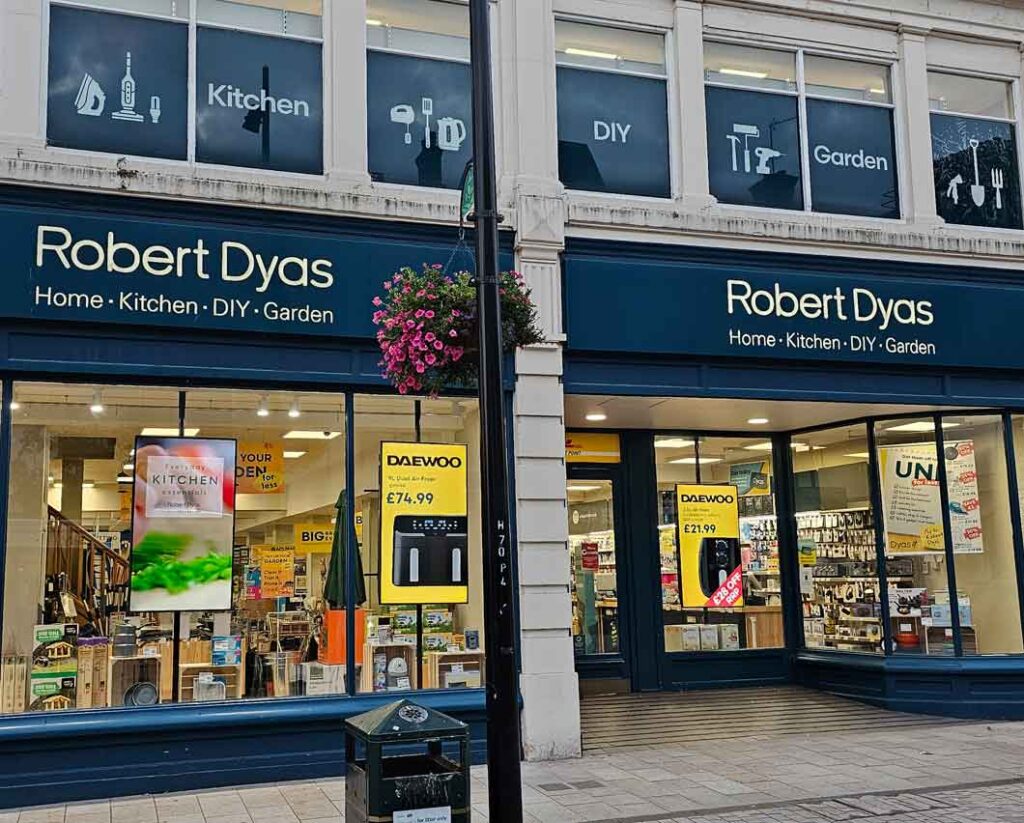
For UK homes, retailers such as Robert Dyas offer a variety of home, storage, organization, kitchen, bathroom, and household products, making it easier to compare practical options for different areas of the home.
Explore Home Storage & Organization Products
Frequently Asked Questions
1. What are the best storage solutions for a small home?
Vertical shelving, under-bed storage, wall-mounted organizers, storage ottomans, and multi-purpose furniture are useful because they maximize available space without taking up excessive floor area.
2. How do I choose the right storage furniture?
Start by measuring the available space and identifying what you need to store. Consider item size, frequency of use, accessibility, weight, and how the storage will fit with your existing furniture.
3. What are the best storage solutions for bedrooms?
Under-bed containers, wardrobe organizers, drawer dividers, shelving, and over-door storage can help organize clothing, shoes, bedding, and accessories.
4. How can I organize a small kitchen?
Use adjustable shelves, drawer dividers, stackable containers, wall-mounted racks, and vertical storage. Grouping similar products together can also make cupboards easier to manage.
5. Are storage boxes good for home organization?
Yes. Storage boxes are particularly useful for grouping smaller or seasonal belongings. Labelling them makes it easier to find items without opening every container.
6. Should I declutter before buying storage products?
Yes. Removing unused belongings first helps you understand how much storage you genuinely need and prevents you from simply organizing items that you no longer use.
Conclusion
The best storage solutions are those that make your home easier to use without overwhelming the space. From kitchen cupboards and bathroom shelves to bedroom wardrobes and living-room furniture, every room has different organization requirements.
Start by assessing what you own, how frequently you use it, and where it should be stored. Then choose appropriate shelving, boxes, cabinets, baskets, and space-saving solutions based on your room’s size and layout.
For UK households, practical retailers such as Robert Dyas provide a range of products designed for different rooms and organization needs.
Ready to create a more organized home? Explore practical storage options, make better use of your available space, and choose solutions that keep everyday clutter under control.