Choosing the right power tool can make a significant difference in the success of your DIY projects, woodworking tasks, or professional construction work. One of the most common questions buyers face is whether cordless power tools or corded alternatives offer better value. Both options have evolved dramatically over the past decade, with improvements in battery technology, motor efficiency, and overall performance making the decision more challenging than ever.
Whether you’re a homeowner tackling weekend repairs or a contractor working on demanding job sites, understanding the strengths and limitations of cordless power tools and corded tools will help you make a smarter investment. This guide compares both options based on performance, portability, cost, durability, and real-world applications, helping you choose the right tool for your workshop and future projects.
Why Choosing the Right Power Tool Matters
Power tools represent a long-term investment rather than a one-time purchase. Selecting equipment that matches your working style can improve productivity, enhance safety, and reduce maintenance costs over time.
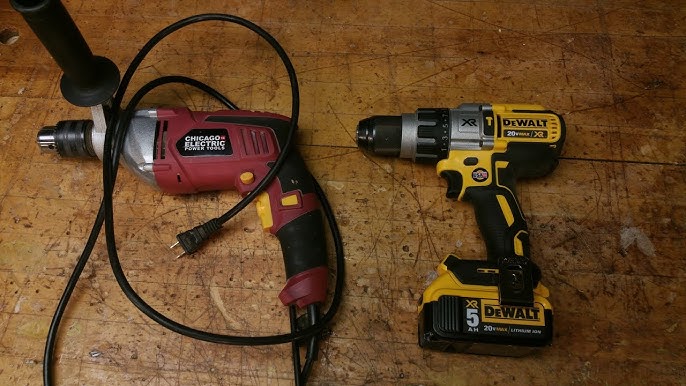
Today’s cordless power tools are more capable than ever, thanks to high-capacity lithium-ion batteries and brushless motors. Meanwhile, traditional corded tools continue to deliver consistent performance for heavy-duty applications that demand uninterrupted power.
Before making a purchase, consider:
- Project frequency.
- Workspace location.
- Required power output.
- Portability.
- Budget.
- Future tool expansion.
Matching your tools to your needs ensures better value over time.
Understanding Cordless Power Tools
Cordless power tools operate using rechargeable battery packs instead of direct electrical connections. Advances in battery technology have transformed these tools into reliable options for both DIY enthusiasts and professionals.
Popular cordless options include:
- Cordless drills.
- Impact drivers.
- Circular saws.
- Reciprocating saws.
- Angle grinders.
- Nail guns.
Many manufacturers now offer battery platforms where one battery works across dozens of compatible tools, making cordless systems increasingly cost-effective.
What Are Corded Tools?
Unlike battery-operated equipment, corded tools receive continuous power directly from an electrical outlet.
Because they aren’t limited by battery capacity, corded tools often provide consistent performance during extended use, making them ideal for workshops, construction sites with power access, and industrial environments.
Common corded tools include:
- Hammer drills.
- Rotary hammers.
- Circular saws.
- Bench grinders.
- Belt sanders.
- Table saws.
These tools remain popular among professionals performing demanding tasks every day.
Portability: Cordless Tools Lead the Way
One of the biggest advantages of cordless power tools is mobility.
Without extension cords or nearby power outlets, users can work comfortably in gardens, rooftops, remote construction sites, garages, and outdoor spaces. This flexibility improves efficiency while reducing setup time.
Cordless tools are especially beneficial for:
- Home repairs.
- Outdoor construction.
- Roofing.
- Furniture assembly.
- Electrical installations.
- Landscaping projects.
For mobile work environments, battery-powered equipment offers unmatched convenience.
Performance: Corded Tools Deliver Continuous Power
When comparing raw performance, corded tools still maintain an advantage for prolonged heavy-duty applications.
Since electricity is supplied continuously, users never experience reduced power caused by battery depletion. This makes corded equipment particularly valuable for tasks involving dense materials or extended operating periods.
Ideal applications include:
- Concrete drilling.
- Metal cutting.
- Industrial fabrication.
- Cabinet production.
- Workshop machinery.
- Continuous sanding.
Professionals working for several hours without interruption often prefer corded solutions.
Battery Technology Has Changed the Market
Modern battery-powered tools have improved dramatically due to lithium-ion battery technology and brushless motor development.
Compared to older battery systems, today’s cordless equipment offers:
- Longer runtime.
- Faster charging.
- Reduced weight.
- Improved durability.
- Better energy efficiency.
- Higher power output.
Many premium cordless drills now deliver performance that rivals traditional corded models for everyday applications.
Workshop Tools for Different Users
The best workshop tools depend largely on your working environment.
DIY users generally appreciate the convenience and portability of cordless systems, while professional workshops often combine both cordless and corded equipment depending on project requirements.
A balanced workshop may include:
- Cordless drill.
- Cordless impact driver.
- Corded table saw.
- Corded bench grinder.
- Battery-powered jigsaw.
- Corded air compressor.
Combining both technologies often provides the greatest flexibility.
DIY Tools vs Professional Tools
Not every user requires industrial-grade equipment.
For occasional home improvement projects, DIY tools usually prioritize portability, ease of use, and affordability. Professional users, however, often demand maximum reliability, higher duty cycles, and superior durability.
Before buying, evaluate:
- Frequency of use.
- Project complexity.
- Tool lifespan.
- Warranty coverage.
- Battery ecosystem.
- Replacement parts.
Choosing equipment based on workload prevents overspending while ensuring reliable performance.
Cost Comparison: Initial vs Long-Term Investment
Purchase price is only one part of ownership.
While corded tools often cost less initially, cordless systems may require batteries, chargers, and future battery replacements. However, once you own several compatible batteries, expanding your cordless collection becomes increasingly economical.
Consider long-term expenses such as:
- Battery replacement.
- Charger compatibility.
- Electricity consumption.
- Maintenance.
- Warranty.
- Accessory availability.
A complete power tools comparison should always consider total ownership cost rather than purchase price alone.
Which One Should You Buy?
There is no universal answer because every user has different requirements.
Choose cordless power tools if you value:
- Maximum portability.
- Flexible job sites.
- Convenience.
- Quick setup.
- Modern battery platforms.
- DIY versatility.
Choose corded tools if you prioritize:
- Continuous performance.
- Heavy-duty workloads.
- Unlimited runtime.
- Workshop-based projects.
- Industrial reliability.
- Lower upfront costs.
Many experienced professionals ultimately invest in both systems to enjoy the strengths of each.
Frequently Asked Questions (FAQs)
1. Are cordless power tools powerful enough for professionals?
Yes. Modern cordless power tools equipped with brushless motors and lithium-ion batteries can handle many professional applications, although extremely demanding tasks may still favor corded equipment.
2. Are corded tools more powerful?
Generally, corded tools provide continuous power and are often preferred for heavy-duty, long-duration work requiring maximum performance.
3. How long do battery-powered tools last?
Most modern battery-powered tools operate between 30 minutes and several hours depending on battery capacity, workload, and tool type.
4. Are cordless drills good for DIY projects?
Absolutely. Cordless drills are among the most versatile DIY tools because they combine portability, convenience, and sufficient power for most household tasks.
5. Which tools should beginners buy first?
Beginners should start with a cordless drill, impact driver, measuring tools, screwdriver set, and other essential workshop tools before expanding their collection.
6. Is it worth owning both cordless and corded tools?
Yes. Many professionals use cordless power tools for portability and corded tools for demanding workshop tasks, giving them maximum flexibility.
Conclusion
Choosing between cordless power tools and corded tools depends entirely on how and where you work. While cordless systems excel in portability, flexibility, and convenience, corded equipment continues to deliver unmatched continuous performance for demanding professional applications.
By evaluating your projects, comparing tool performance, understanding the advantages of battery-powered tools, and considering long-term ownership costs, you can make a confident purchasing decision. Whether you’re upgrading your collection of DIY tools, investing in professional tools, or building a complete workshop from scratch, selecting the right equipment today will improve productivity and deliver reliable results for years to come.