Whether you’re building furniture, repairing household fixtures, or taking on weekend renovation projects, having the right workshop tools makes every job safer, faster, and more enjoyable. While skill and experience certainly matter, quality tools provide the precision, efficiency, and reliability needed to achieve professional-looking results. From simple repairs to advanced woodworking projects, a well-equipped workshop forms the foundation of successful DIY work.
Today’s market offers a wide range of DIY tools, from traditional hand tools to advanced cordless equipment and smart power tools. However, beginners often struggle to determine which tools are truly essential and which can wait until later. This guide explains the most important workshop tools every DIY enthusiast should own, helping you build a versatile collection suitable for home improvement, woodworking, maintenance, and creative projects.
Why Every DIY Workshop Needs the Right Tools
Owning reliable workshop equipment offers far more than convenience. High-quality tools improve accuracy, reduce project time, and enhance safety by allowing tasks to be completed correctly.
Whether you’re assembling cabinets, installing shelves, repairing fences, or building outdoor furniture, investing in dependable workshop tools reduces frustration and increases confidence.
The biggest advantages include:
- Greater project accuracy.
- Faster completion times.
- Improved safety.
- Long-term durability.
- Better finishing quality.
- Increased versatility.
A carefully selected tool collection supports projects of every size.
Start with Essential Hand Tools
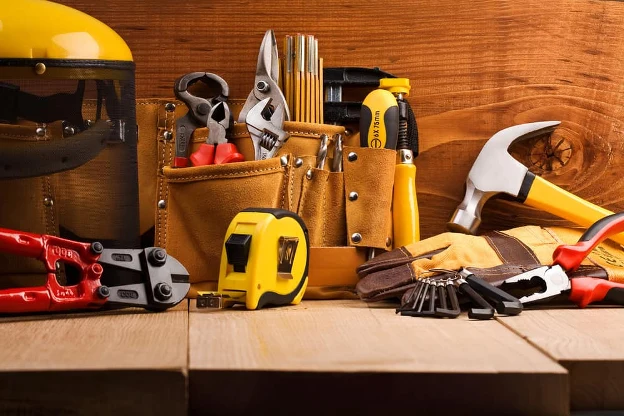
Every workshop begins with dependable essential hand tools that remain useful regardless of technological advances.
These tools perform everyday tasks and often complement larger power equipment.
Every DIY workshop should include:
- Claw hammer.
- Adjustable wrench.
- Screwdriver set.
- Utility knife.
- Combination pliers.
- Allen key set.
- Handsaw.
- Chisels.
Choosing high-quality hand tools ensures years of reliable performance while reducing replacement costs.
Measuring Tools Improve Precision
Accurate measurements are the foundation of successful DIY work.
Even expensive equipment cannot compensate for poor measurements, making reliable measuring tools indispensable.
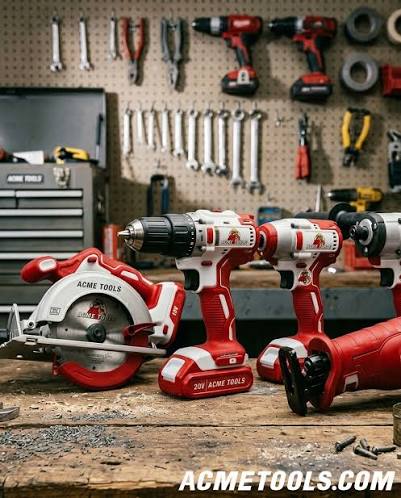
Important measuring equipment includes:
- Tape measure.
- Spirit level.
- Speed square.
- Carpenter’s ruler.
- Digital angle finder.
- Combination square.
Taking time to measure carefully minimizes waste while improving project quality.
Power Tool Accessories Increase Versatility
Many DIY enthusiasts focus on purchasing power tools while overlooking essential power tool accessories.
Accessories greatly expand what your equipment can accomplish and often improve precision, efficiency, and safety.
Useful accessories include:
- Drill bits.
- Saw blades.
- Sanding discs.
- Router bits.
- Grinding wheels.
- Driver bit sets.
Keeping spare accessories available prevents interruptions during larger projects.
Woodworking Tools for Creative Projects
If you enjoy furniture building, cabinetry, or decorative crafts, investing in quality woodworking tools opens countless creative possibilities.
Basic woodworking equipment includes both hand-operated and powered tools capable of handling various materials and project sizes.
Popular woodworking tools include:
- Circular saw.
- Jigsaw.
- Random orbital sander.
- Router.
- Wood clamps.
- Bench plane.
These tools allow DIY enthusiasts to complete projects ranging from shelving to custom furniture.
Home Improvement Tools for Everyday Repairs
A well-equipped workshop should also support common household maintenance.
Reliable home improvement tools simplify repairs while helping homeowners avoid unnecessary contractor expenses.
Useful household tools include:
- Cordless drill.
- Impact driver.
- Stud finder.
- Pipe wrench.
- Socket set.
- Caulking gun.
These versatile tools prove valuable for both emergency repairs and planned renovation projects.
Tool Storage Keeps Everything Organized
An organized workshop improves productivity and reduces time spent searching for equipment.
Good tool storage protects expensive tools from damage while making frequently used items easily accessible.
Popular storage solutions include:
- Tool chests.
- Rolling tool cabinets.
- Wall pegboards.
- Modular storage systems.
- Portable toolboxes.
- Small parts organizers.
Proper storage also extends tool lifespan by protecting equipment from dust and moisture.
Garage Workshop Setup Tips
Many DIY enthusiasts build their workshop inside a garage because it offers flexible space for larger projects.
An efficient garage workshop should prioritize safety, accessibility, and adequate lighting.
Consider including:
- Durable workbench.
- Bright LED lighting.
- Power outlets.
- Dust collection.
- Ventilation.
- Anti-fatigue floor mats.
Thoughtful organization creates a workspace that remains comfortable during extended projects.
Professional Equipment Isn’t Just for Experts
Although beginners don’t require industrial-grade machinery immediately, some professional equipment provides long-term value.
Investing in reliable tools often proves more economical than repeatedly replacing lower-quality alternatives.
Before purchasing expensive equipment, compare:
- Build quality.
- Warranty coverage.
- Battery compatibility.
- Safety features.
- Brand reputation.
- Replacement part availability.
Choosing dependable equipment supports years of productive DIY work.
Tool Organization Improves Efficiency
Good tool organization saves valuable time and creates a safer workspace.
Keeping tools arranged by function helps prevent misplaced equipment while encouraging regular maintenance.
Simple organization habits include:
- Label storage drawers.
- Separate hand and power tools.
- Store batteries safely.
- Return tools after use.
- Inspect equipment regularly.
- Clean tools after projects.
Consistent organization improves workflow while extending equipment lifespan.
Frequently Asked Questions (FAQs)
1. What workshop tools should every beginner own?
Every beginner should start with workshop tools such as a hammer, screwdriver set, cordless drill, tape measure, pliers, adjustable wrench, utility knife, and spirit level.
2. Why are measuring tools important?
Accurate measuring tools help ensure precise cuts, proper alignment, and professional-quality project results while reducing material waste.
3. What are the most useful DIY tools for home repairs?
Essential DIY tools include a cordless drill, impact driver, socket set, stud finder, utility knife, adjustable wrench, and basic hand tools.
4. How should workshop tools be stored?
Proper tool storage includes tool cabinets, pegboards, organizers, and protective cases that keep equipment clean, accessible, and protected.
5. Are professional tools worth buying?
Reliable professional equipment often lasts longer, performs better, and offers improved warranties, making it a worthwhile investment for frequent DIY users.
6. How can I keep my workshop organized?
Good tool organization involves grouping similar tools together, labeling storage areas, cleaning equipment regularly, and returning tools after every project.
Conclusion
Building a reliable collection of workshop tools is one of the best investments any DIY enthusiast can make. From dependable essential hand tools and accurate measuring tools to versatile power tool accessories, quality equipment allows projects to be completed safely, efficiently, and with professional-level results.
Whether you’re creating a dedicated garage workshop, expanding your collection of woodworking tools, improving tool storage, or investing in durable home improvement tools, thoughtful planning will help you build a workspace that supports years of successful projects. Start with the essentials, organize your equipment carefully, and gradually upgrade as your skills and project ambitions continue to grow.