Creating a perfectly rolled Japanese omelette at home becomes easier with the right cookware. The HexClad Tamagoyaki pan is designed for preparing tamagoyaki, a traditional Japanese rolled omelette made by cooking thin layers of seasoned egg and rolling them together. With its rectangular shape and hybrid cooking surface, this pan brings Japanese-style cooking into a modern kitchen while offering versatility for everyday meals.
For home cooks in the United States who enjoy Japanese breakfasts, bento lunches, or creative egg dishes, choosing a specialised Japanese omelette pan can make cooking more convenient. This guide explores the HexClad Japanese egg pan’s design, features, uses, care requirements, and key considerations to help you decide whether it suits your kitchen.
What Is the HexClad Tamagoyaki Pan?
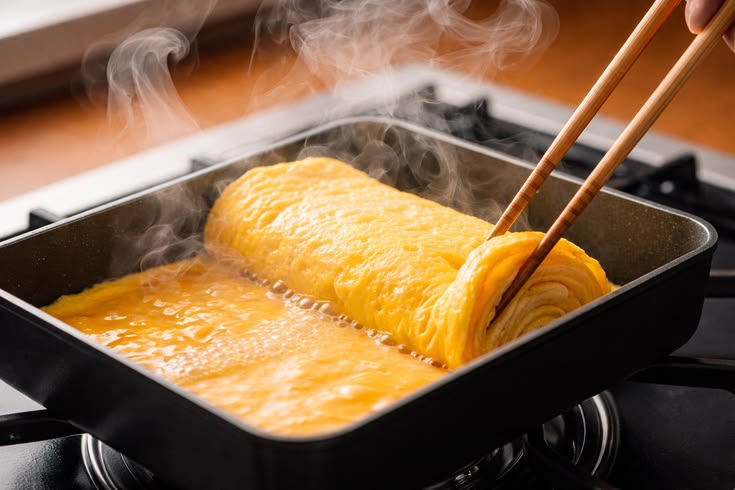
The HexClad Tamagoyaki pan, officially called the Hybrid Japanese Egg Pan (Tamagoyaki), is a rectangular egg cooking pan designed to produce evenly shaped rolled omelettes. Its shape provides a long cooking surface that helps cooks build successive layers of egg without spreading the mixture across a large round skillet.
According to HexClad’s official product listing, the pan accommodates approximately three to four eggs, making it suitable for individual meals or small portions to share. The slanted lip is designed to make rolling easier, helping cooks shape the omelette as additional layers are added. <Cite refs={[“turn273032search2”]}/>
Unlike a conventional frying pan, this specialised design supports a more controlled approach to preparing tamagoyaki. It can also be used for other foods, so its usefulness is not limited to Japanese recipes.
Key Features of the HexClad Japanese Egg Pan
The HexClad Japanese egg pan combines a traditional rectangular format with the brand’s hybrid cookware technology. Understanding these features can help you assess whether the design matches your cooking habits.
1. Rectangular Shape for Rolled Omelettes
The rectangular cooking surface is the defining feature of this Japanese omelette pan. It helps maintain a consistent width as egg layers are cooked and rolled, producing the compact shape associated with tamagoyaki.
This design is particularly useful when preparing:
- Traditional Japanese rolled omelettes.
- Egg portions for homemade bento boxes.
- Breakfast sandwiches with neatly shaped egg.
- Thin egg layers for sushi or rice bowls.
2. Hybrid Cooking Surface
HexClad uses a pattern of raised stainless-steel hexagonal ridges and recessed areas with its TerraBond ceramic nonstick coating. The combination is intended to balance searing performance with easier food release and cleaning. The company describes this coating as PFAS-free. <Cite refs={[“turn273032search2”]}/>
For egg-based recipes, heat management remains important. Use a modest amount of cooking oil and begin at a lower temperature to reduce sticking and prevent the egg from browning too quickly.
3. Tri-Ply Construction for Heat Control
The pan features a tri-ply construction with an aluminium core between stainless-steel layers. This design helps distribute heat and provides responsive temperature control, which is useful when cooking delicate egg mixtures.
Tamagoyaki is generally cooked in several thin layers. Consistent heat makes it easier to set each layer without overcooking the outside before the inside is ready.
4. Versatility Beyond Eggs
Although designed as an egg cooking pan, the HexClad model can also prepare other foods. Its rectangular shape works well for ingredients that benefit from a longer cooking surface.
Other possible uses include:
- Rolled crepes and thin pancakes.
- Bacon strips.
- Long vegetables.
- Grilled sandwiches.
This versatility may appeal to cooks who prefer specialised cookware that can still handle several everyday tasks.

How to Make Tamagoyaki in a Rectangular Egg Pan
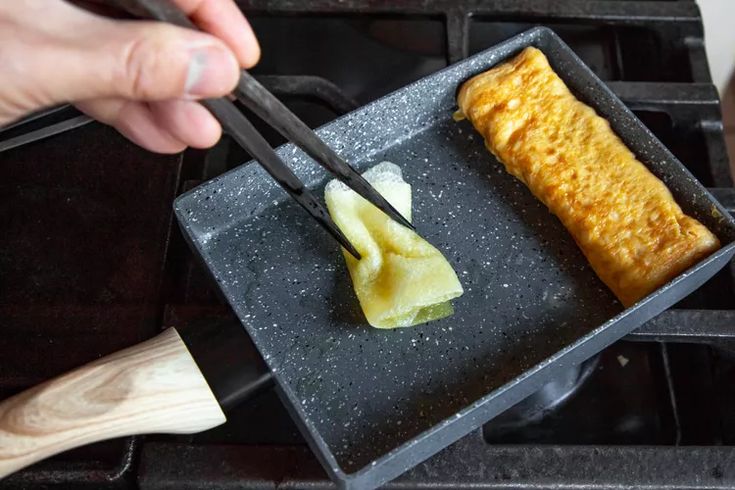
Traditional tamagoyaki involves cooking a thin layer of seasoned egg, rolling it, and repeating the process until a layered omelette forms. The HexClad Tamagoyaki pan is designed to support this technique.
A Simple Cooking Method
- Prepare the egg mixture: Beat three or four eggs with your preferred seasonings. A traditional version may include soy sauce, sugar, and dashi.
- Preheat gently: Warm the pan over low to medium-low heat and add a small amount of oil.
- Pour a thin layer: Spread enough egg mixture to cover the cooking surface.
- Cook until partly set: When the egg is mostly set but still slightly moist on top, begin rolling it toward one side.
- Add another layer: Apply a little oil to the exposed surface, pour in more egg mixture, and allow it to flow beneath the existing roll.
- Repeat the process: Continue layering and rolling until the mixture is used.
- Shape and rest: Gently press the finished omelette into shape, then allow it to rest briefly before slicing.
The technique may take a few attempts to master. Avoid excessive heat, which can make the egg brown too quickly and cause the layers to break during rolling.
Tamagoyaki Pan Buying Guide: Is HexClad Right for You?
A useful tamagoyaki pan buying guide should consider cooking performance, compatibility, cleaning, price, and how frequently the pan will be used.
The HexClad model may be worth considering if you regularly prepare Japanese-style dishes and value durable hybrid cookware. However, it is a specialised purchase, so occasional cooks may prefer to use an existing skillet or choose a more affordable rectangular pan.
Before buying, consider these factors:
- Cooking frequency: A dedicated pan is more worthwhile if tamagoyaki is part of your regular meal preparation.
- Kitchen compatibility: Confirm compatibility with your stovetop and follow the manufacturer’s heating guidance.
- Budget: Compare the current price with other rectangular egg pans and consider how often you will use it.
- Storage: Check the product dimensions and handle length to ensure it fits your kitchen cupboards.
- Care preferences: Consider whether dishwasher compatibility and metal-utensil resistance are useful for your routine.
HexClad’s US product page has listed the pan at $139, although promotional pricing can change. Check the current listing for the price, availability, and applicable purchase terms before ordering.
Cleaning and Caring for Your HexClad Tamagoyaki Pan
Good care helps maintain cookware performance over time. HexClad describes the pan as dishwasher-safe and compatible with metal utensils, but following its specific care instructions is still important.
For everyday maintenance:
- Allow the pan to cool appropriately before cleaning.
- Soak it in warm, soapy water if egg residue remains.
- Use a suitable sponge or cleaning tool to remove food deposits.
- Follow the manufacturer’s seasoning and heat guidance.
- Avoid excessive heat and improper cleaning methods that may affect the cooking surface.
HexClad also states that its cookware is oven-safe up to 900°F. Before placing this particular pan in an oven, check the current product instructions and any restrictions relating to the handle or cooking setup. The manufacturer’s warranty terms and exclusions should also be reviewed before purchase.
Frequently Asked Questions
1. What is the HexClad Tamagoyaki pan used for?
It is designed primarily for Japanese rolled omelettes. It can also be used for crepes, bacon, long vegetables, and grilled sandwiches.
2. How many eggs can the HexClad Japanese egg pan hold?
HexClad describes the pan as suitable for approximately three to four eggs, depending on the recipe and portion size.
3. Is the HexClad Tamagoyaki pan nonstick?
It uses HexClad’s hybrid surface, combining stainless-steel ridges with recessed TerraBond ceramic nonstick coating. Using suitable heat and a little oil can help with food release.
4. Can I use the pan on an induction cooktop?
HexClad lists the pan as induction-ready. Confirm compatibility with your specific cooktop and follow the manufacturer’s instructions.
5. Is the HexClad Tamagoyaki pan dishwasher-safe?
Yes, the official product listing describes it as dishwasher-safe. Follow the latest care instructions to maintain the cooking surface.
6. Is the HexClad Tamagoyaki pan worth buying?
It may be worthwhile for frequent tamagoyaki preparation and cooks who value versatile hybrid cookware. Occasional users should compare its price with simpler rectangular egg pans before deciding.
Conclusion: Bring Japanese-Style Cooking Home
The HexClad Tamagoyaki pan combines a rectangular shape, hybrid cooking surface, and tri-ply construction to support traditional Japanese rolled omelettes and several other everyday recipes. Its specialised design can help home cooks build consistent egg layers while providing additional versatility for breakfast and light meals.
Before buying, compare the current price, check your stovetop compatibility, and consider how often you will use a dedicated Japanese omelette pan.
Ready to explore Japanese-style cookware? Visit the official HexClad Tamagoyaki pan product page to review the latest features, pricing, and availability.