Finding the right soccer cleats is about more than choosing a popular brand or attractive design. The right pair should match your playing surface, foot shape, playing style, and comfort requirements. With a broad selection of SCHEELS soccer cleats for men, women, and kids, players can choose from firm-ground, artificial-ground, multi-ground, turf, and indoor footwear. SCHEELS carries major brands including Nike, adidas, Puma, New Balance, and Under Armour.
A well-fitting pair can help provide the traction and stability needed for quick changes of direction while keeping your feet comfortable during practices and matches. Whether you play on natural grass in the Midwest, artificial fields in California, or indoor facilities in colder parts of the U.S., choosing the correct outsole is an important first step.
What to Look for in SCHEELS Soccer Cleats
The best soccer cleats should feel secure without being painfully tight. Your heel should remain stable, your midfoot should feel supported, and your toes should have enough room to move naturally.
When comparing SCHEELS soccer cleats, consider these factors:
- Playing surface: Choose FG, AG, MG, turf, or indoor footwear according to where you play.
- Cleat fit: Look for a secure heel and midfoot without excessive pressure.
- Traction: The outsole should provide appropriate grip for your playing surface.
- Upper material: Synthetic, textile, or mesh constructions can provide different combinations of touch, flexibility, and breathability.
- Weight: Lightweight designs may appeal to players who prioritize speed and agility.
- Comfort: Padding, lining, tongue construction, and cushioning can influence how the cleats feel over a full session.
SCHEELS categorizes its soccer footwear by surface and also offers dedicated options for men, women, and children.
Choose SCHEELS Soccer Cleats Based on Playing Surface
One of the most important lessons in any soccer cleats buying guide is to select footwear according to the field rather than simply buying a versatile-looking pair.
Firm Ground Cleats
Firm ground cleats are designed primarily for natural-grass soccer fields. Their molded studs are positioned to provide traction on relatively firm, dry grass.
They can be appropriate for players who regularly compete on traditional outdoor fields. SCHEELS describes FG footwear as being built for natural grass.
Look for FG cleats if you primarily play:
- On natural-grass soccer fields.
- Outdoor competitive matches.
- Training sessions on firm grass.
- Fields that are not excessively muddy or soft.
Using the wrong outsole can affect how the cleats interact with the surface, so always check your league or facility requirements before purchasing.
Artificial Ground Cleats
Artificial grass has different characteristics from natural turf, making AG cleats a useful option for players who regularly compete on synthetic pitches.
SCHEELS categorizes Artificial Ground footwear specifically for synthetic fields, with designs intended to provide appropriate stability and traction.
If most of your games are played on modern artificial turf, check whether your facility recommends AG-specific footwear before buying.
Multi-Ground Cleats
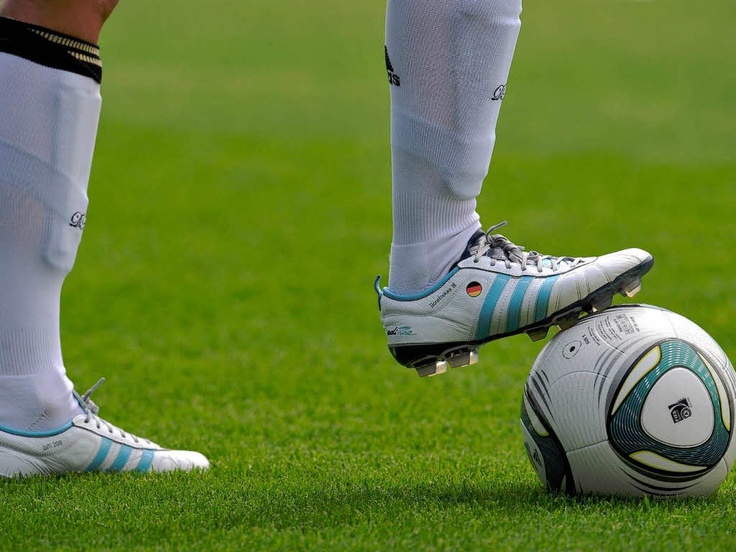
Multi-ground or FG/AG cleats provide greater versatility for players who move between natural and artificial surfaces.
For example, SCHEELS currently lists youth adidas models with FG/AG outsoles designed for both firm natural grass and artificial grass.
These can be particularly practical for youth players whose teams use different fields throughout a season.
When Should You Choose SCHEELS Turf Shoes?
Turf shoes are designed for shorter, denser artificial playing surfaces. Instead of traditional molded studs, they generally use a low-profile rubber traction pattern.
They can be useful for:
- Small-sided soccer.
- Training on turf.
- Recreational play.
- Facilities with short artificial surfaces.
- Players who want a low-profile feel.
SCHEELS specifically categorizes turf footwear separately from firm-ground and artificial-ground cleats, describing turf shoes as providing low-profile grip.
Always confirm the surface rules at your soccer facility. A shoe that works well on one type of turf may not be appropriate for another.
How Should SCHEELS Soccer Cleats Fit?
Cleat fit is arguably just as important as outsole selection. Soccer requires repeated acceleration, stopping, cutting, and lateral movement, so excessive movement inside the shoe can become uncomfortable.
Your cleats should feel snug without causing pain or restricting natural movement.
Use This Fit Checklist
When trying on SCHEELS soccer cleats, check:
- The heel stays securely in place.
- The midfoot feels comfortably locked in.
- Your toes are not pressed against the front.
- There are no painful pressure points.
- The shoe does not slide from side to side.
- You can comfortably flex your foot.
- The width matches your foot shape.
For youth players, avoid automatically buying oversized cleats simply to extend their usable life. SCHEELS’ kids’ soccer guidance recommends avoiding excessive sizing-up because oversized cleats can cause discomfort and recommends a snug midfoot and heel without pinching the toes.
Material, Weight, and Comfort Matter
Modern athletic footwear often combines synthetic uppers, textile linings, mesh sections, and engineered outsoles. Each material choice can affect flexibility, breathability, durability, and ball feel.
A lightweight upper can provide a close-to-foot sensation, while padding and textile lining may improve comfort during training.
Instead of choosing the lightest cleat available, consider the complete package:
- Upper flexibility.
- Breathability.
- Durability.
- Ball-touch sensation.
- Internal padding.
- Weight.
- Outsole construction.
For players who train several times per week, comfort and durability may ultimately matter more than a small difference in weight.
FAQs About SCHEELS Soccer Cleats
Are SCHEELS soccer cleats available for kids?
Yes. SCHEELS offers soccer cleats for toddlers, little kids, and big kids, alongside men’s and women’s options.
What are firm ground cleats used for?
Firm ground cleats are primarily designed for natural-grass soccer fields. SCHEELS categorizes FG footwear for firm natural grass surfaces.
Can I use FG cleats on artificial grass?
It depends on the surface and facility rules. If you regularly play on artificial grass, consider footwear specifically categorized for AG or an appropriate FG/AG multi-ground model.
Should soccer cleats be tight?
They should feel snug and secure but should not cause painful pressure. A good fit keeps the heel and midfoot stable while allowing comfortable toe movement.
Are turf shoes different from soccer cleats?
Yes. Turf shoes generally use a low-profile rubber traction pattern designed for turf, while traditional cleats use studs designed for particular field surfaces.
Should kids’ soccer cleats have extra room to grow?
A small amount of growth allowance may be practical, but cleats should not be excessively oversized. SCHEELS recommends a snug fit through the heel and midfoot without pinching the toes.
Conclusion: Find the Right SCHEELS Soccer Cleats
The right SCHEELS soccer cleats should match your playing surface, foot shape, playing style, and comfort requirements. Start with the field: choose FG for firm natural grass, AG for synthetic surfaces, MG for greater surface versatility, and turf footwear for appropriate short artificial turf.
Then focus on cleat fit, traction, stability, materials, and comfort. Youth players deserve the same attention to fit as adults, particularly because oversized footwear can affect comfort and movement.
With options across men’s, women’s, and kids’ soccer footwear and brands such as Nike, adidas, Puma, and New Balance, SCHEELS gives players plenty of options to compare.