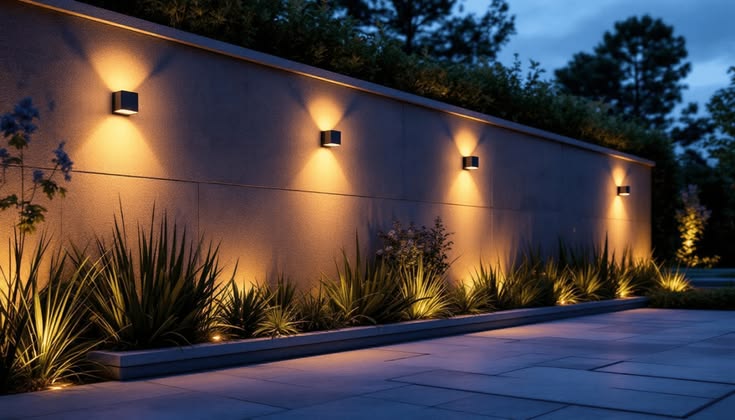
Choosing the right outdoor lighting can transform a garden, driveway, patio or entrance while making outdoor areas more practical after dark. The best lighting isn’t simply about choosing the brightest fixture available. You need to consider the purpose of the light, its location, weather resistance, energy consumption, brightness, installation requirements and overall design. This guide explains how to choose garden lighting that balances appearance, safety and everyday functionality for UK homes.
For properties across the UK, outdoor lights need to cope with changing weather, including rain, wind and damp conditions. Whether you’re illuminating a garden path in Manchester, improving a patio in London or adding security around a detached home in Scotland, selecting products designed for exterior use is essential.
What Should You Consider When Choosing Outdoor Lighting?
The first step is to decide what you want your outdoor lighting to achieve. Garden illumination can serve several different purposes, and one fixture rarely does everything equally well.
You might want lighting for:
- Security
- Pathway visibility
- Entertaining
- Architectural features
- Garden decoration
- Outdoor entrances
- Driveways and parking areas
Once you’ve identified the purpose, you can choose the appropriate style, brightness and power source instead of buying fixtures based purely on appearance.
Choose Outdoor Lighting Based on Location
Where you install an outdoor light has a major effect on the type of product you need. A sheltered wall near your front door has different requirements from a light positioned beside an exposed garden path.
Before purchasing, consider whether the fixture will be exposed directly to rain, splashing water, dirt or changing temperatures.
Common Outdoor Lighting Locations
- Front entrance
- Back door
- Patio
- Garden path
- Driveway
- Garage
- Balcony
- Garden borders
- Decking
- Outdoor seating areas
The product should be specifically rated for the intended outdoor environment. Never assume an indoor light can safely be used outside.
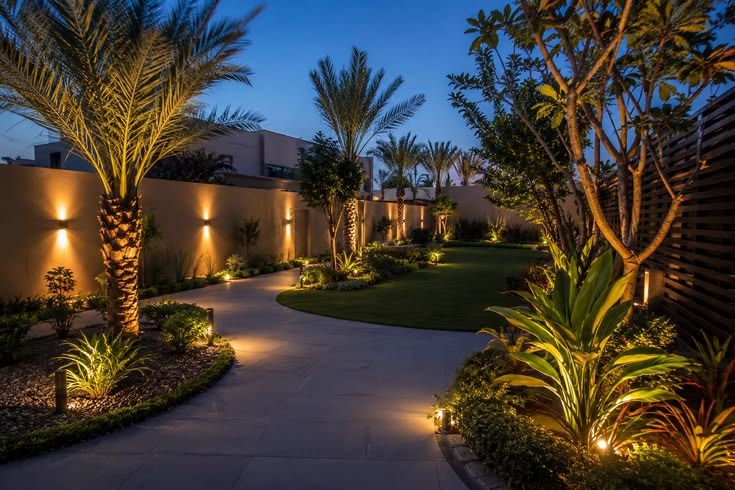
Understand IP Ratings
An important part of an outdoor lights buying guide is understanding IP ratings. An IP rating indicates the level of protection an electrical enclosure provides against solid objects and moisture.
The exact rating you need depends on where the light will be installed. A fixture under a covered porch may face less exposure than one installed in an open garden.
When shopping, check the manufacturer’s IP rating and installation guidance rather than choosing a product simply because it is labelled “outdoor.”
For UK gardens, where rainfall is common throughout the year, appropriate weather protection should be a priority.
Consider Security Lights
Security lights are designed to improve visibility around vulnerable areas of a property. Many modern models use motion sensors, allowing the light to activate when movement is detected.
Motion-activated lighting can be useful around entrances, side passages, garages and driveways because it avoids keeping a bright light switched on continuously.
When choosing security lighting, consider:
- Detection range
- Detection angle
- Adjustable sensitivity
- Light brightness
- Timer settings
- Weather resistance
- Installation position
A light that is too sensitive may activate unnecessarily, while one with insufficient coverage may fail to illuminate the area you actually need.
Consider Solar Lights
Solar lights can be a convenient option where running electrical cables would be difficult or unnecessary. They use integrated solar panels to charge a battery during daylight hours and typically illuminate after dark.
They can work particularly well for decorative garden areas, pathways and locations away from convenient electrical connections.
However, solar performance depends on factors such as daylight exposure, season and weather.
Solar Lighting Works Best When:
- The panel receives sufficient daylight
- The light is positioned correctly
- The battery is suitable for the application
- The fixture is kept reasonably clean
- Expectations match seasonal conditions
In the UK’s shorter winter days, solar lights may provide less operating time than during summer, particularly when several days are cloudy.
Choose the Right Brightness
Brightness should match the purpose of the light. A pathway generally doesn’t require the same intensity as a security floodlight.
Excessively bright lighting can create glare and make outdoor areas less comfortable. It can also illuminate neighbouring properties unnecessarily.
For garden illumination, consider using several lower-intensity lights rather than relying on one extremely bright fixture.
Think About Lighting Zones
Entrance: Clear, functional illumination.
Pathways: Consistent light to help with visibility.
Patio: Comfortable ambient lighting.
Security areas: Stronger, targeted illumination.
Garden features: Accent lighting that highlights plants or structures.
This layered approach can make an outdoor space feel more natural and visually balanced.
Think About Controls and Automation
Modern exterior lighting doesn’t always need to be controlled by a traditional wall switch.
Depending on the product, you may have options such as:
- Motion sensors
- Timers
- Remote controls
- Smart-home integration
- Dusk-to-dawn sensors
Automation can be useful for security and convenience. For example, a dusk sensor can activate lighting when natural light falls below a certain level.
However, more features can also mean more complexity, so choose controls that you’ll actually use.
Check Installation Requirements
Installation is another important consideration. Some lights can be positioned or installed relatively easily, while hardwired exterior fixtures may require appropriate electrical work.
For UK homeowners, electrical installation should comply with applicable safety requirements. If you aren’t qualified to carry out electrical work, use a competent professional rather than attempting a potentially hazardous installation yourself.
Before buying, check whether the product requires:
- Mains wiring
- Batteries
- Solar charging
- Professional installation
- Additional mounting hardware
- A transformer or compatible power supply
Understanding these requirements beforehand can prevent unexpected costs.
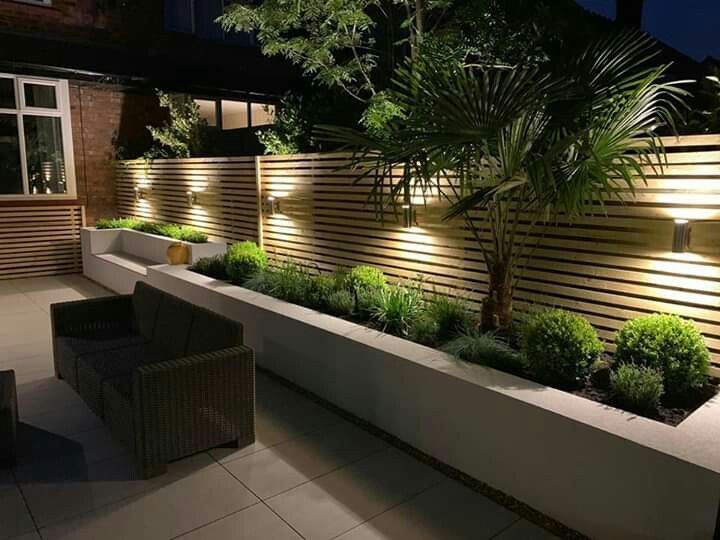
Compare Quality, Warranty and Durability
Because outdoor fixtures are exposed to the elements, construction quality matters.
Before buying, compare:
- Material quality
- IP rating
- LED lifespan
- Warranty
- Mounting quality
- Replacement parts
- Weather resistance
- Manufacturer instructions
A slightly more expensive product can provide better long-term value if it lasts longer and performs consistently.
Frequently Asked Questions
What type of outdoor lighting is best for a garden?
There isn’t one best option. Pathway lights work well for walkways, wall lights suit entrances and patios, while solar lights can be useful for decorative or remote areas. Security lights are better for targeted security illumination.
Are solar lights good for UK gardens?
Yes, but performance depends on daylight exposure and seasonal conditions. Solar lights may operate for shorter periods during winter or prolonged cloudy weather.
What is the best lighting for outdoor security?
Motion-activated security lights can be effective for illuminating entrances, driveways and other areas when movement is detected. Choose a model with suitable detection range and weather protection.
Are LED lights suitable for outdoor use?
Yes. Many LED fixtures are specifically designed for exterior applications. Check the product’s outdoor rating and IP protection before installation.
What IP rating should outdoor lights have?
The appropriate IP rating depends on the installation location and level of exposure to water. Always follow the manufacturer’s specifications for the particular fixture and location.
Conclusion
The right outdoor lighting should combine functionality, safety, energy efficiency and visual appeal. Start by deciding whether you need lighting for security, pathways, entertaining, entrances or garden features, then select fixtures designed specifically for those conditions.
Don’t simply choose the brightest fixture available. A thoughtfully planned combination of wall lights, pathway lights, security lights and decorative garden illumination can create a more practical and attractive outdoor environment.
Ready to improve your home’s exterior? Explore outdoor lighting, garden lights and DIY supplies to create a safer, more welcoming outdoor space.