
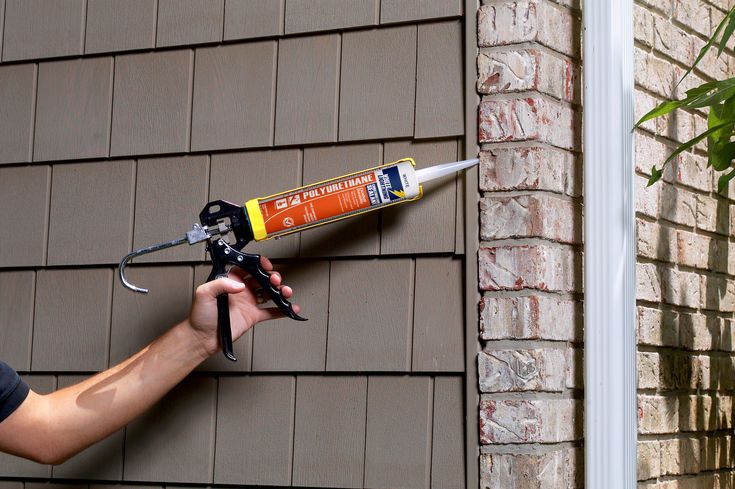
Choosing between sealants and adhesives can be confusing when you are working on home repairs, decorating or DIY projects. Although both products are used to join or protect materials, they serve different purposes. Adhesives are primarily designed to bond surfaces together, while sealants are generally used to fill gaps, create flexible joints and prevent moisture or air from passing through. Understanding the differences between adhesive types can help you select the right product for bathrooms, kitchens, woodworking, construction and everyday repairs.
For UK homeowners and DIY enthusiasts, choosing the correct product is particularly important because indoor humidity, temperature changes and wet weather can affect how bonding materials perform. This sealant buying guide explains the most common options and when each one makes sense.
What Is the Difference Between Sealants and Adhesives?
The simplest way to understand sealants and adhesives is to look at their primary function.
An adhesive is designed to create a strong bond between two surfaces. It may be rigid or flexible depending on its formulation and intended application.
A sealant, meanwhile, is designed primarily to close gaps or joints and protect against water, air, dust or movement. Many sealants remain flexible after curing, allowing them to accommodate small amounts of expansion and contraction.
In some situations, a product can perform both functions. However, choosing a product based solely on the fact that it says “adhesive” or “sealant” can result in poor performance.
When Should You Use an Adhesive?
Adhesives are generally the better choice when your main objective is to permanently or semi-permanently bond two surfaces.
Different adhesive types are formulated for different materials and environments. A product suitable for attaching a lightweight decorative item may not be appropriate for bonding heavy construction materials.
Common applications include:
- Joining wood components
- Fixing trim and mouldings
- Bonding suitable plastics
- Installing certain fixtures
- Construction and renovation work
Before selecting an adhesive, check whether it is compatible with both surfaces and whether it is suitable for the weight and conditions involved.
When Is a Sealant the Better Choice?
Sealants are particularly useful when you need to close a joint rather than simply bond two surfaces.
Bathrooms and kitchens are common examples. Joints around sinks, baths, worktops and other areas exposed to water may require a suitable waterproof sealant to help prevent moisture from penetrating gaps.
Sealants can also be useful around windows, doors and construction joints where some flexibility is needed.
A sealant may be the better option when your project involves:
- Filling gaps
- Sealing around fixtures
- Creating flexible joints
- Sealing around windows
- Protecting edges from moisture
The correct product should always be selected according to the manufacturer’s intended application.
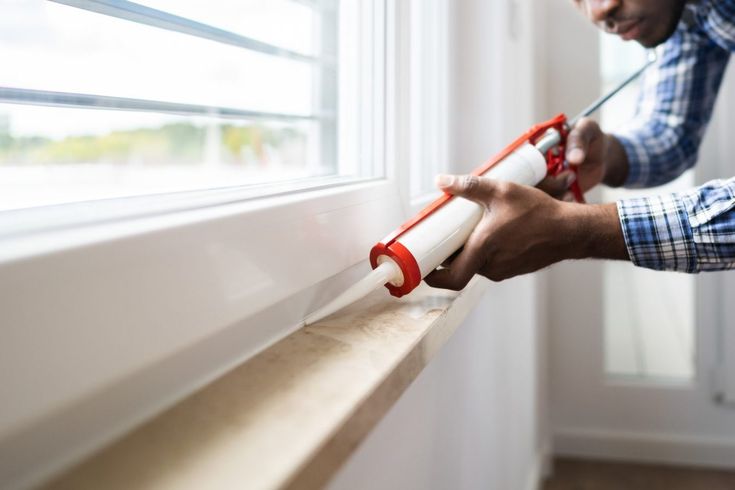
Silicone Sealant: Best for Wet Areas?
Silicone sealant is one of the most familiar options for household projects. It is commonly associated with bathrooms, kitchens and other areas where moisture resistance is important.
Silicone can remain flexible after curing, which makes it useful for joints that experience movement. Many bathroom-specific silicone products are also formulated to resist mould growth, although performance varies between products.
Silicone Is Often Suitable For:
- Baths and shower areas
- Sinks
- Ceramic surfaces
- Glass
- Wet-area joints
- Certain household fixtures
Check the manufacturer’s instructions carefully because not every silicone formulation is compatible with every material.
What Is Grab Adhesive?
Grab adhesive is designed to provide strong initial adhesion, making it useful when you need to attach materials without relying entirely on mechanical fasteners.
It is commonly used for interior DIY applications such as attaching decorative mouldings, panels and other suitable materials.
The major advantage is convenience. Instead of waiting for a traditional adhesive to develop a bond while the material is held in position, grab adhesives are designed to provide significant initial hold.
However, always check the recommended surfaces and load limitations. “High grab” does not mean that every product can safely support any object.
What Is Construction Adhesive?
Construction adhesive is intended for heavier-duty building and renovation applications. Depending on the formulation, it may be suitable for bonding materials such as wood, masonry, plasterboard and other construction surfaces.
Construction adhesives can be useful when you need a strong bond across relatively large surfaces.
Before use, check:
- Surface compatibility
- Indoor or outdoor suitability
- Cure time
- Required surface preparation
- Maximum load or application guidance
For structural applications, don’t assume that a general-purpose construction adhesive can replace mechanical fixings or engineered joining methods.
How to Choose Between Sealants and Adhesives
The easiest way to choose between sealants and adhesives is to start with the problem you are trying to solve.
If two surfaces need to be joined together, start by considering an adhesive. If you need to close a gap or prevent moisture from entering a joint, a sealant may be more appropriate.
If you need both functions, look for a product specifically marketed for bonding and sealing.
Ask These Questions Before Buying
- What materials am I joining?
- Is the area exposed to water?
- Is the application indoors or outdoors?
- How much weight must the bond support?
- Does the product require a primer?
- How long does it take to cure?
These questions can narrow down the appropriate product considerably.
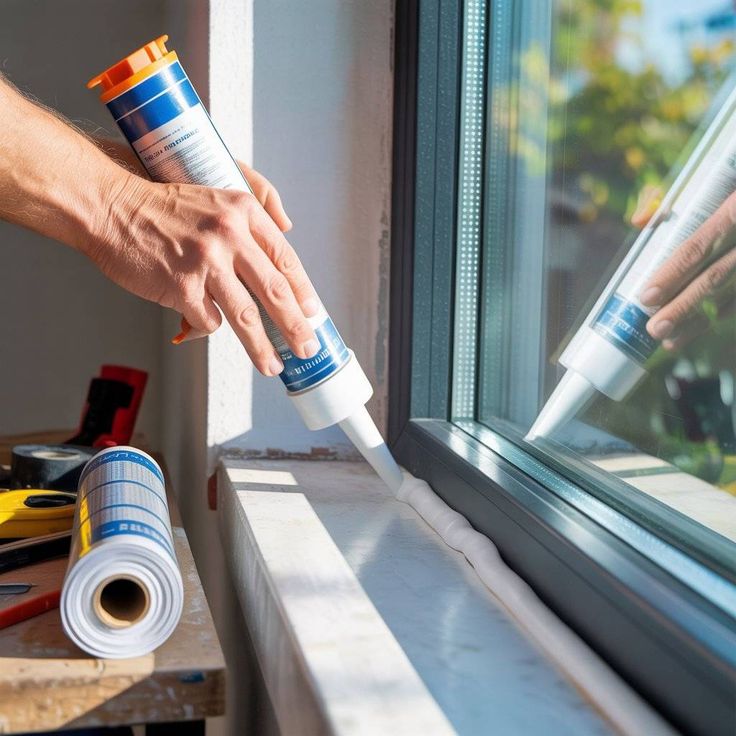
How Long Do Sealants and Adhesives Take to Cure?
Drying and curing are not necessarily the same thing. A product may feel dry on the surface while continuing to cure internally.
Cure times depend on factors such as:
- Product formulation
- Temperature
- Humidity
- Joint thickness
- Surface type
- Ventilation
Always follow the manufacturer’s recommended curing time before putting significant stress or moisture exposure on the finished joint.
Safety Tips When Using Bonding Products
DIY adhesives and sealants should be used according to the manufacturer’s safety instructions. Some formulations can release fumes during application or require specific ventilation.
Wear appropriate protective equipment where recommended and avoid skin or eye contact.
Basic Safety Practices
- Read the label before use.
- Follow ventilation requirements.
- Keep products away from children.
- Don’t mix chemical products unless instructed.
- Dispose of leftover materials responsibly.
If you’re working on a large or specialist project, follow relevant UK workplace and product-safety guidance.
Frequently Asked Questions
What is the main difference between sealants and adhesives?
Adhesives are primarily designed to bond surfaces together, while sealants are mainly used to fill gaps and protect joints from moisture, air or movement.
Is silicone sealant waterproof?
Many silicone sealants are designed to provide strong water resistance and are commonly used in wet areas. Always check the specific product’s instructions and intended application.
Is grab adhesive suitable for heavy objects?
It depends on the product and application. Grab adhesives can provide strong initial adhesion, but you should follow the manufacturer’s load and surface recommendations rather than assuming every grab adhesive supports heavy objects.
Can construction adhesive be used outdoors?
Some construction adhesives are formulated for exterior applications, but not all are. Check the product specifications for outdoor suitability, moisture resistance and temperature requirements.
How do I choose the right sealant?
Start by identifying the material, location and conditions. Consider whether the area is wet, exposed to weather or likely to move, then select a product specifically designed for those requirements.
Conclusion
Choosing the right sealants and adhesives becomes much easier once you understand the difference between bonding and sealing. Adhesives are primarily intended to join surfaces, while sealants are designed to close gaps, protect joints and accommodate movement. Always check surface compatibility, preparation requirements, curing times and safety instructions before application. The right product can produce a cleaner, stronger and longer-lasting result. Ready to tackle your next home repair? Explore sealants, adhesives and DIY bonding materials to find the right solution for your project.