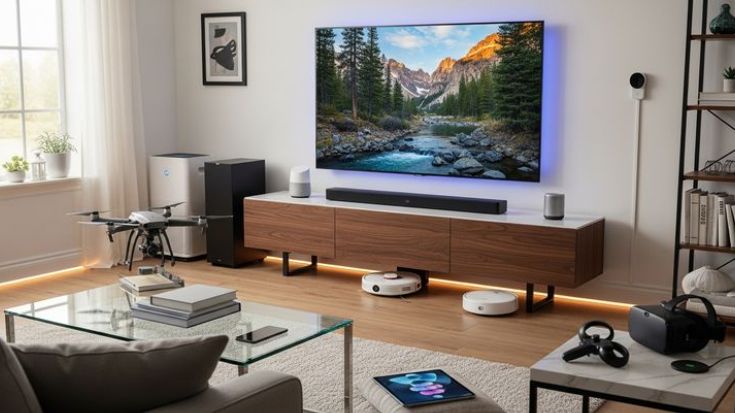
Adding the right smart home devices can make everyday routines more convenient, connected and easier to manage. From switching lights on remotely to adjusting room temperatures automatically, today’s smart home products can handle many tasks that once required manual effort. However, building a connected home does not mean buying every gadget available. The best approach is to start with devices that solve genuine problems and work well with your existing setup. This smart home buying guide explains which devices are worth considering and what to look for before purchasing.
For homeowners and renters in the UK, smart technology can be particularly useful for managing lighting, heating, security and energy use throughout the year. Since compatibility varies between products, checking your home’s existing wiring, Wi-Fi network and preferred smart-home platform is an important first step.
What Are Smart Home Devices?
Smart home devices are connected products that can be controlled, monitored or automated through a smartphone, app, voice assistant or another compatible system. Some products operate independently, while others can communicate with multiple devices to create automated routines.
Common examples include:
- Smart plugs
- Smart lighting
- Smart thermostats
- Smart doorbells
- Smart cameras
- Connected appliances
The goal isn’t simply to add technology. A useful smart-home setup should make everyday tasks simpler while remaining reliable and easy to control.
Upgrade Your Lighting With Smart Lighting
Smart lighting can add convenience while giving you more control over the atmosphere of different rooms. Depending on the system, users can control brightness, schedules and sometimes colour through an app or voice commands.
Instead of manually switching lights throughout the house, you can create routines that turn selected lights on or off at specific times.
Consider smart bulbs or fixtures for:
- Bedrooms
- Living rooms
- Home offices
- Outdoor areas
- Children’s rooms
Before purchasing, check the bulb type, fitting and voltage requirements to ensure compatibility with your existing fixtures.
Consider a Smart Thermostat
A smart thermostat can be particularly useful in the UK, where heating plays an important role during cooler months. These devices can provide more convenient control over heating schedules and temperatures.
Depending on the model and heating system, features may include app-based controls, scheduling, temperature monitoring and automation.
However, compatibility is crucial. Not every thermostat works with every boiler or heating system.
Before Buying, Check:
- Your boiler type
- Existing thermostat wiring
- Heating-system compatibility
- Installation requirements
- App compatibility
- Available automation features
If professional installation is required, include that cost when comparing the overall value.

Add a Smart Doorbell for Convenient Monitoring
A smart doorbell can provide a convenient way to see and communicate with visitors through a connected device. Many models incorporate cameras, motion detection and smartphone notifications.
This can be useful when you’re away from home or unable to answer the door immediately.
Look for:
- Video quality
- Night vision
- Motion detection
- Weather resistance
- Local or cloud storage
- Subscription requirements
Don’t focus exclusively on camera resolution. Storage policies and ongoing subscription costs can significantly affect the long-term value of a smart doorbell.
Use Smart Cameras Where They Make Sense
Smart cameras can extend visibility around your property. Depending on the model, they may be designed for indoor or outdoor use. Outdoor cameras need to withstand changing weather conditions, while indoor models may prioritise compact design and privacy features.
When choosing a camera, consider:
- Indoor or outdoor placement
- Video quality
- Storage options
- Power source
- Wi-Fi requirements
- Privacy controls
Think carefully about where cameras are appropriate. Avoid placing them in areas where recording could unnecessarily compromise personal privacy.
Build Home Automation Around Your Routine
The biggest advantage of a connected home isn’t controlling individual devices; it’s making them work together. For example, you could create a routine where selected lights turn on at a particular time while your thermostat adjusts the temperature according to your schedule.
Other possible automation ideas include:
- Turning lights off when leaving
- Scheduling lamps for the evening
- Adjusting heating at set times
- Receiving doorbell notifications
- Switching compatible devices remotely
Start with one or two useful routines rather than creating complicated automation that becomes difficult to manage.
Check Compatibility Before Buying
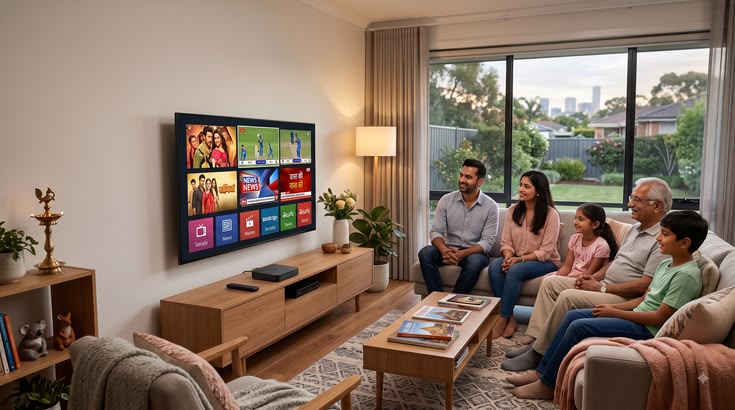
One of the biggest mistakes when purchasing smart home products is assuming that every device will work together. Different manufacturers and platforms can use different communication standards and ecosystems. Before purchasing multiple products, check whether they can work with your preferred smart-home platform.
Check These Details:
- Wi-Fi compatibility
- Smart-home platform support
- Voice-assistant compatibility
- App requirements
- Hub requirements
- Matter support, where relevant
Choosing compatible products from the beginning can prevent frustration later.
Think About Your Wi-Fi Network
Most connected devices rely on your home network, so your Wi-Fi setup can affect their performance. A household with numerous smart bulbs, cameras, speakers, phones, computers and streaming devices may place greater demands on its network. If your home already has weak coverage, address that problem before installing dozens of wireless products.
A reliable setup may include:
- Strategically positioned router
- Strong Wi-Fi coverage
- Updated networking equipment
- Suitable bandwidth
- Secure network password
For larger UK homes, mesh Wi-Fi can also be worth considering if one router struggles to cover every room.
Don’t Ignore Installation Requirements
Some smart products are simple DIY installations, while others may require electrical or professional installation. Smart plugs and many smart bulbs can usually be installed with minimal effort. Smart thermostats and certain wired security devices may involve more complicated installation.
Before buying, determine whether you’ll need:
- Professional installation
- Existing wiring
- A hub
- Additional accessories
- Batteries
- A compatible router
Adding these requirements to the initial product price gives you a more realistic idea of total cost.
Frequently Asked Questions
What are the most useful smart home devices?
Smart plugs, smart lighting, smart thermostats, smart doorbells and smart cameras are among the most practical options. The best choice depends on your household’s needs and existing equipment.
Are smart home products worth buying?
They can be worthwhile when they solve a genuine problem or simplify a routine. Start with devices that provide clear everyday benefits rather than buying technology simply because it is smart.
Do smart home devices need Wi-Fi?
Many smart devices rely on Wi-Fi, although some use other wireless communication methods or hubs. Always check the connectivity requirements before purchasing.
Are smart thermostats suitable for UK homes?
They can be, but compatibility with your boiler and heating system is essential. Check the manufacturer’s compatibility information before buying and determine whether professional installation is required.
Are smart cameras secure?
Security depends on the device, manufacturer, configuration and how you manage your account. Use strong passwords, enable available security features and keep software updated.
Conclusion
The best smart home devices are not necessarily the most advanced or expensive products. They are the ones that make everyday tasks easier, improve control over your home and work reliably with your existing setup. For UK households, smart heating controls can be particularly useful, while connected lighting and security products can provide practical benefits throughout the year. Building your system gradually also makes it easier to create a reliable connected home without overspending. Ready to make your home smarter? Explore smart home products and practical tools to build a connected setup around the routines that matter most to you.