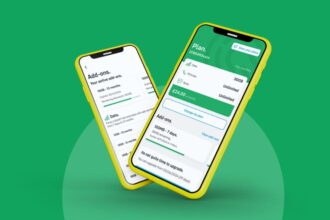

Selecting the right mobile network is about much more than finding the cheapest monthly plan. In the UK, mobile providers compete by offering different combinations of network coverage, 5G performance, roaming benefits, flexible contracts, and value-added services. Choosing the wrong provider can lead to slow data speeds, poor reception, unexpected costs, or features that don’t match your daily needs.
Whether you’re buying your first smartphone plan, switching providers, or upgrading to a new device, understanding how to evaluate a mobile network can help you make a smarter decision. Instead of focusing only on price, it’s important to compare coverage, reliability, customer support, and plan flexibility.
Why Choosing the Right Mobile Network Matters
A mobile plan affects how you communicate, work, stream content, navigate, and stay connected every day. Even an affordable deal can become frustrating if it provides unreliable service where you live, work, or travel.
Rather than selecting a provider based solely on promotional offers, it’s worth evaluating the complete experience. A dependable mobile network ensures stable calls, fast internet, and consistent performance whether you’re commuting through London, working remotely in Manchester, or travelling across Scotland or Wales.
Check Network Coverage Before Anything Else
A provider may advertise nationwide service, but signal strength can vary considerably depending on your location. Urban centres generally enjoy stronger coverage, while some rural communities may experience slower speeds or weaker reception.
Before signing up, check coverage for the places where you’ll use your phone most often, including:
- Home.
- Workplace.
- University.
- Daily commuting routes.
- Frequently visited towns.
- Holiday destinations within the UK.
Reliable coverage should always take priority over promotional pricing.
Understand Your Mobile Data Requirements

Every user consumes mobile data differently.
Someone who mainly sends messages and browses websites will require far less data than someone who streams HD video, joins video meetings, or uses their phone as a hotspot.
Before choosing a plan, review your recent monthly usage and identify whether you consistently use:
- Under 10GB.
- Between 20–50GB.
- More than 100GB.
- Unlimited data.
Selecting an allowance that matches your real usage prevents paying for data you never use while avoiding costly overage charges.
Evaluate 5G Connectivity for Future-Proof Performance
As the UK’s digital infrastructure continues expanding, 5G connectivity is becoming an increasingly valuable feature.
Compared with previous mobile generations, 5G offers:
- Faster download speeds.
- Lower latency.
- Improved streaming quality.
- Better online gaming performance.
- More reliable video calls.
Even if you don’t currently require maximum speeds, choosing a provider with strong 5G expansion plans helps future-proof your mobile service as network availability continues improving nationwide.
Compare Mobile Phone Plans Carefully
Not every provider structures mobile phone plans the same way.
Some focus on low monthly pricing, while others include additional benefits such as international roaming, streaming subscriptions, or flexible upgrade options.
When comparing plans, consider:
- Monthly cost.
- Contract duration.
- Included data.
- International usage.
- Upgrade policies.
- Extra service benefits.
Looking beyond headline pricing often reveals which provider offers better long-term value.
Contract Flexibility Can Save Money
Many people overlook contract flexibility until their circumstances change.
Some providers offer rolling monthly agreements, while others require commitments lasting 24 or even 36 months. Flexible plans are ideal for users who anticipate changing phones, moving home, or adjusting their data needs in the near future.
Shorter agreements may also allow customers to switch providers when better offers become available.
SIM-Only Deals Offer Excellent Value
If your current smartphone still performs well, SIM-only deals deserve serious consideration.
Instead of paying for both a handset and mobile service, SIM-only plans charge only for network access. This usually results in lower monthly bills while giving users greater flexibility.
Advantages include:
- Lower monthly payments.
- No handset repayment.
- Easier provider switching.
- Flexible contract options.
- Access to 5G plans.
- Compatibility with existing unlocked phones.
Many UK consumers now choose SIM-only plans to reduce overall mobile costs.
eSIM Is Changing Mobile Connectivity
The adoption of eSIM technology continues to grow across the UK.
Unlike traditional SIM cards, eSIM profiles are downloaded digitally, allowing users to activate services without inserting physical cards. This technology also supports multiple phone numbers on compatible devices.
Benefits of eSIM include:
- Faster activation.
- Simplified network switching.
- Dual-SIM functionality.
- Reduced plastic waste.
- Convenient international travel.
As more smartphones support eSIM, it is quickly becoming a standard feature among leading providers.
Roaming Benefits Matter for Frequent Travelers
If you regularly travel throughout Europe or internationally, examine each provider’s roaming benefits carefully.
While some UK providers still include free roaming within selected destinations, others apply daily usage charges or data restrictions.
Before choosing a network, check:
- Included roaming destinations.
- Daily roaming fees.
- Fair usage limits.
- Data allowances abroad.
- International call rates.
These factors can significantly affect overall travel expenses.
Don’t Ignore Customer Support and Reliability
Price and data allowances are important, but customer service also deserves attention.
Reliable providers invest in responsive support teams, intuitive mobile apps, online account management, and efficient problem resolution. Reading independent customer reviews can provide valuable insight into real-world experiences.
Strong customer support often becomes especially valuable during billing issues, phone upgrades, or network outages.
Mobile Provider Comparison: Focus on Long-Term Value
A proper mobile provider comparison should balance affordability with service quality.
Rather than selecting the cheapest plan immediately, compare providers based on:
- Coverage reliability.
- Data performance.
- Customer satisfaction.
- Contract flexibility.
- Future upgrade options.
- eSIM availability.
Making a balanced comparison helps avoid disappointment after signing a long-term agreement.
Affordable Phone Plans Don’t Mean Lower Quality
Many consumers assume affordable phone plans compromise quality, but that’s no longer necessarily true.
Several UK providers now offer competitively priced plans that include generous data allowances, 5G access, Wi-Fi calling, and flexible contracts. The key is identifying which features matter most to your lifestyle rather than paying for extras you’ll never use.
For many users, affordability and excellent performance can comfortably coexist.
Frequently Asked Questions (FAQs)
1. How do I choose the right mobile network?
To choose a mobile network, compare coverage, pricing, data allowances, contract flexibility, customer service, roaming options, and 5G availability before making a decision.
2. Is network coverage more important than price?
Yes. Strong network coverage ensures reliable calls and fast mobile internet. A cheaper plan offers little value if the signal is poor where you use your phone most.
3. Are SIM-only deals worth considering?
Absolutely. SIM-only deals often provide lower monthly costs and greater flexibility for users who already own a compatible smartphone.
4. What is eSIM?
eSIM is a digital SIM technology that allows users to activate mobile service without inserting a physical SIM card. It also supports multiple mobile profiles on compatible devices.
5. Why is contract flexibility important?
Contract flexibility allows customers to change plans, upgrade devices, or switch providers more easily if their needs change.
Conclusion
Choosing the right mobile network involves much more than finding the lowest monthly price. By carefully evaluating network coverage, mobile phone plans, 5G connectivity, SIM-only deals, roaming benefits, contract flexibility, and emerging technologies such as eSIM, UK consumers can select a provider that truly matches their lifestyle.
Instead of focusing solely on promotional offers, take time to perform a thorough mobile provider comparison and identify the affordable phone plans that deliver the strongest combination of reliability, performance, and value. A well-informed decision today can provide better connectivity, fewer unexpected costs, and a more satisfying mobile experience for years to come.